

From problematic waste to valuable resource: IMDEA Energy develops a new technology to transform automotive plastics into industrial feedstocks
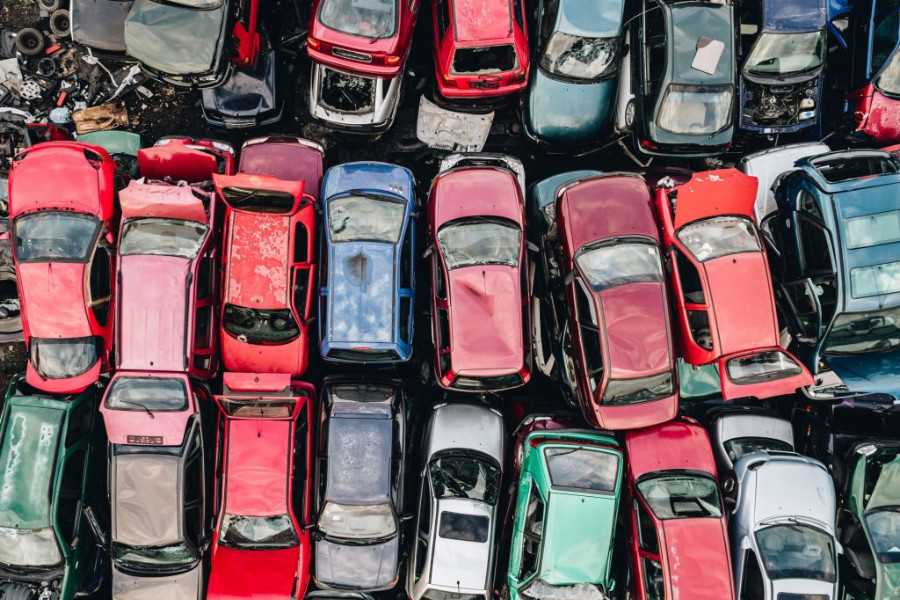
Researchers at IMDEA Energy have developed a technology that enables the transformation of plastic waste from end-of-life vehicles into useful products for industry. These plastics, difficult to recycle due to their complexity and the presence of problematic additives such as chlorine, often end up in landfills or incinerators.
The study, led by the Institute’s Thermochemical Processes Unit, demonstrates that through a catalytic hydropyrolysis process it is possible to valorize residual materials from the automotive sector and generate oils rich in aromatic hydrocarbons with low halogen content, suitable for integration as feedstock in refineries and the chemical industry.
One of the main advances of the study is the significant reduction of chlorine content in the resulting products through the use of advanced zeolite-based catalysts. In particular, by combining two metals, palladium and iron, a synergistic effect is achieved: palladium promotes hydrogen activation and the removal of halogenated compounds, while iron contributes to capturing chlorine in stable forms.
As a result, in addition to improving the quality of the final product, this technology enables the recovery of carbon contained in complex plastic waste and its reintegration into industrial value chains, thus contributing to the transition toward a circular economy.
This work has been carried out the CIRPLACAR project (TED2021-130820B-C22), funded by the Ministry of Science, Innovation and Universities and the European Union through the NextGenerationEU program.