The IMDEA Energy Foundation awarded with the “Severo Ochoa” accreditation, the highest recognition for scientific research centres in Spain
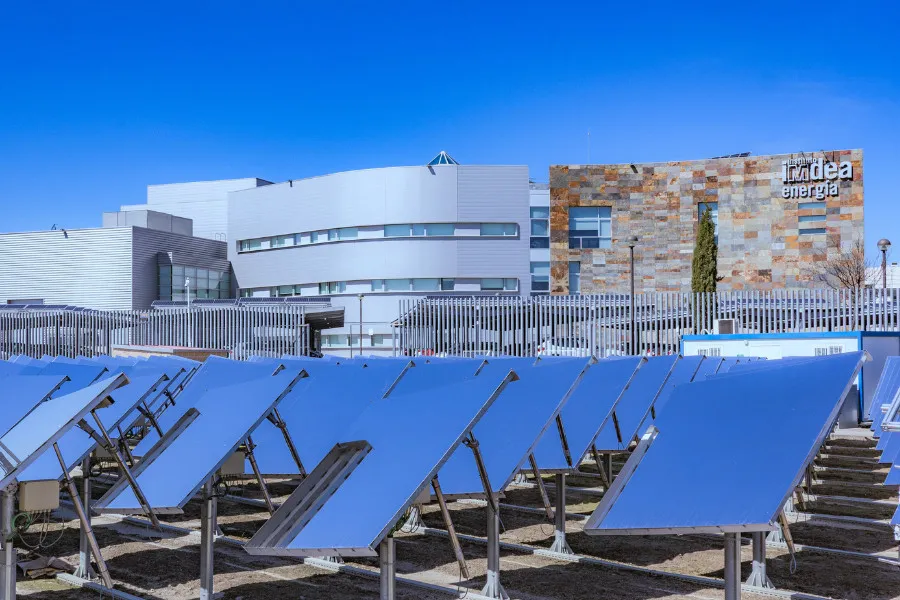
The IMDEA Energy Foundation has received the accreditation as “Severo Ochoa” Centre of Excellence, the most prestigious distinction awarded by the State Research Agency to Spanish R+D centres, in the context of the CEX2025 call. Since its creation by the Community of Madrid in 2007, IMDEA Energy has performed research activities aimed at accelerating the energy […]
IMDEA Energy welcomes students from Rey Juan Carlos University as part of Earth Day activities
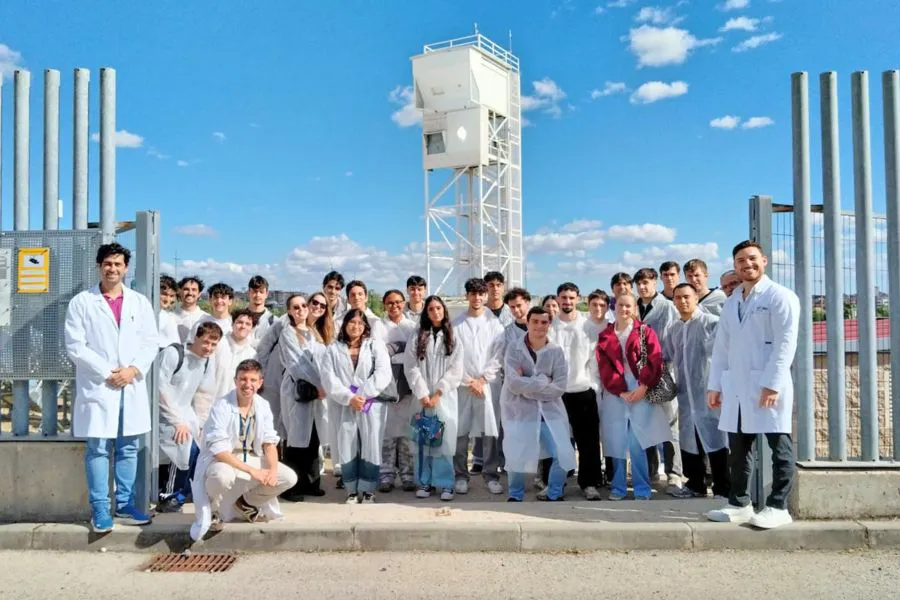
On the occasion of Earth Day, celebrated on April 22, IMDEA Energy hosted students from Rey Juan Carlos University during two visits held on April 20 and May 4, with the aim of introducing them to research in clean and sustainable energy. The visits began in the institute’s auditorium, where Alberto Pinto, Predoctoral Researcher in […]
Six female researchers from IMDEA Energy included in the CSIC ranking of Spanish and Spain-based women researchers
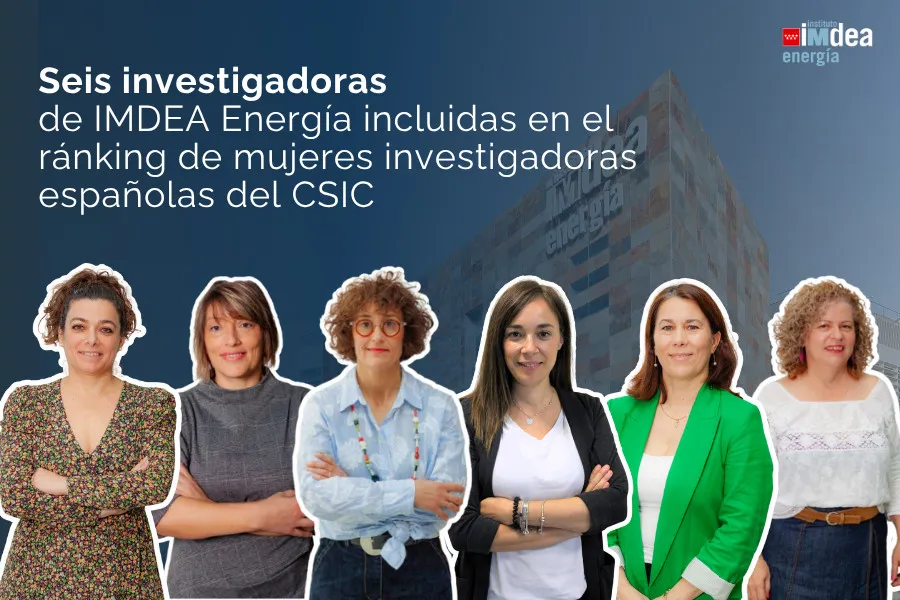
The ranking, prepared by the CSIC’s Cybermetrics Lab and published in April 2026, places six researchers from the institute among the top 2,500 leading female scientists who are either Spanish or affiliated with Spanish institutions, based on their bibliometric indicators in Google Scholar and OpenAlex. Six researchers from the IMDEA Energy Institute have been recognized […]
PhD thesis defense: “Contributions to the analysis and design of primary and secondary controllers of electronic power converters in power systems””
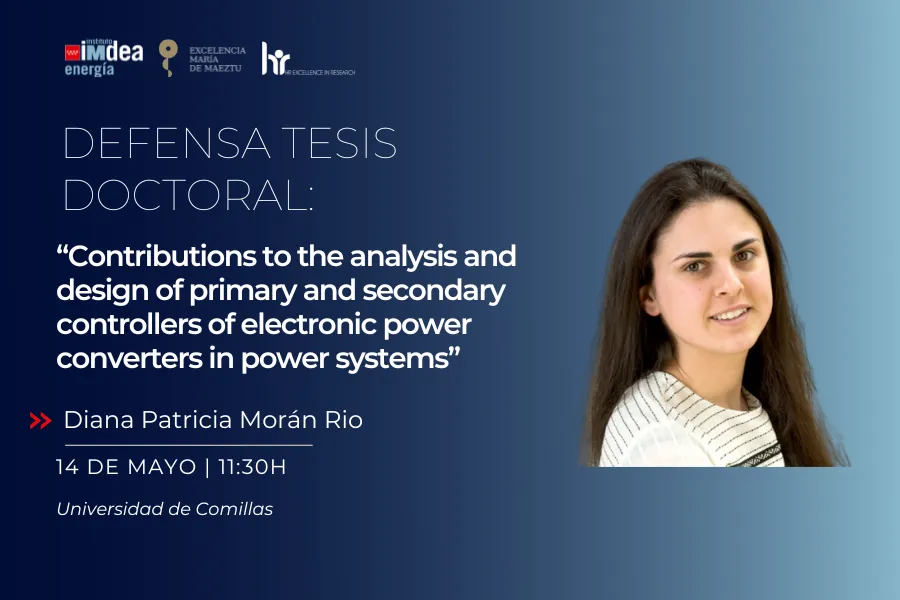
The public defence of the doctoral thesis developed at the Electrical Systems Unit of IMDEA Energía and directed by Milan Prodanovic and Javier Roldán will take place on May 14th at 11:30 am. The defence will take place at Comillas University.
Dr. Patricia Horcajada Receives the Spanish Royal Society of Chemistry Award for Research Excellence
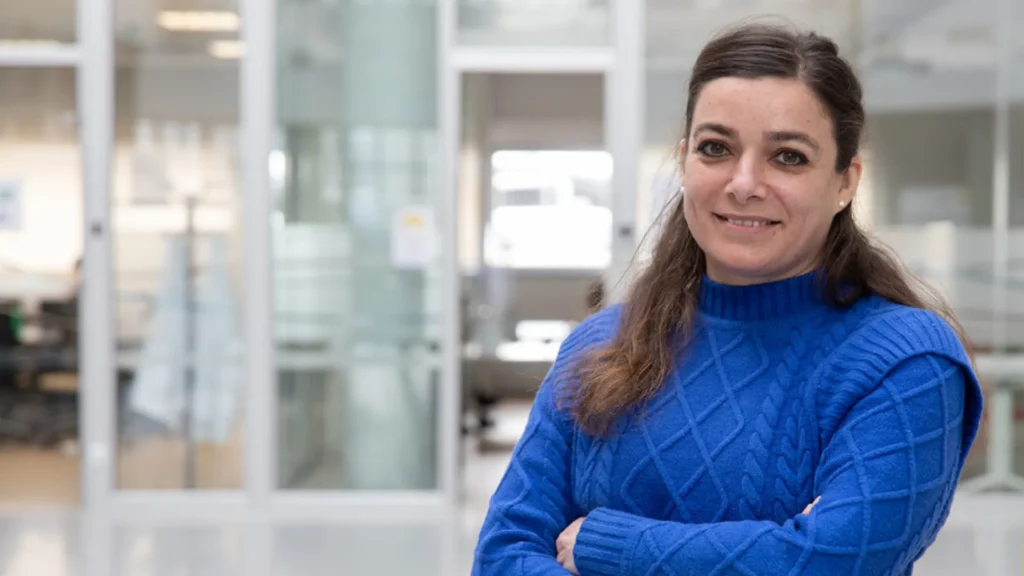
Dr. Patricia Horcajada, Head of the Advanced Porous Materials Unit at IMDEA Energy, has been awarded the Research Excellence Prize at the 2026 Spanish Royal Society of Chemistry (RSEQ) Awards. This distinction recognizes the recent scientific achievements of researchers who have made outstanding contributions to the field of chemistry. Dr. Horcajada has a strong multidisciplinary […]
The pH as a key parameter: how to control the fermentation of agro-industrial waste for the production of high value-added compounds
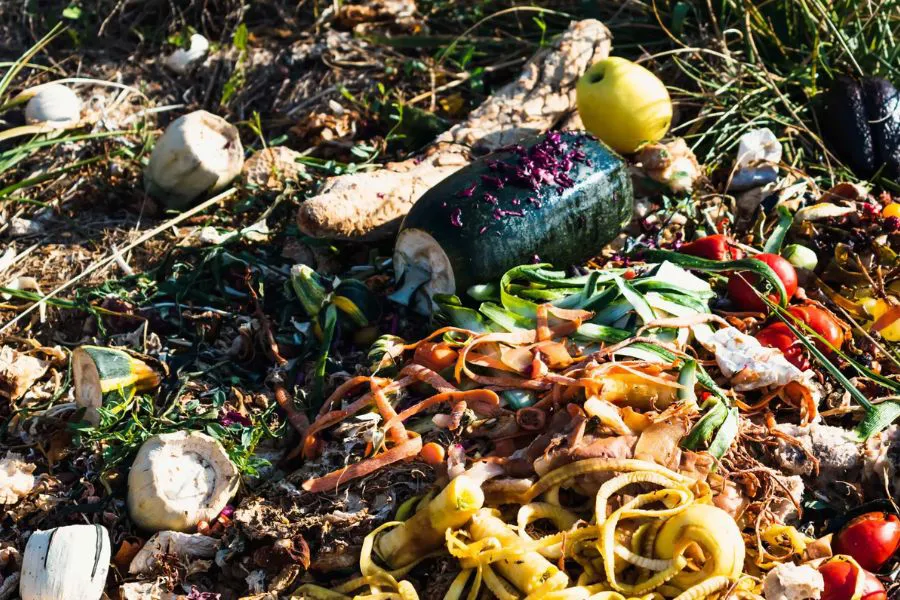
Researchers from IMDEA Energy, the Universitat de València, and the University of Valladolid have demonstrated that controlling pH in bioreactors is key to determining which products are obtained when fermenting fruit and vegetable waste. This research, published in the journal Biomass and Bioenergy, represents an important step toward utilizing agricultural surpluses, reinforcing the role of biological […]
IMDEA Energy leads PROPEL, a new pathway to produce sustainable proteins using synthetic cells
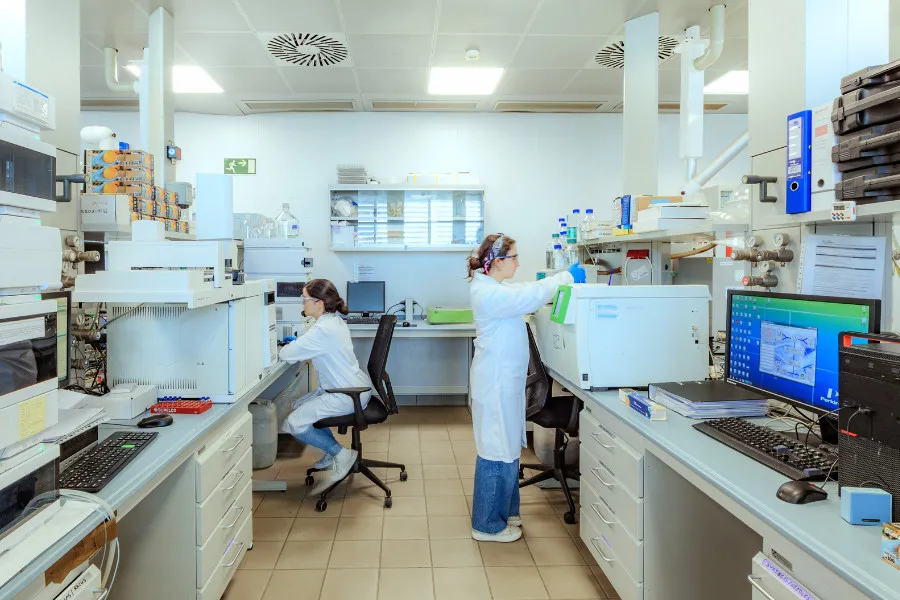
The European PROPEL project, to be coordinated by IMDEA Energía, has been selected for funding by the European Innovation Council (EIC) under the Horizon Europe Pathfinder Challenges programme, which aims to drive high-impact disruptive technologies. Following the recent notification of the grant award, the process of preparing the Grant Agreement has now begun. The PROPEL […]
From problematic waste to valuable resource: IMDEA Energy develops a new technology to transform automotive plastics into industrial feedstocks

Researchers at IMDEA Energy have developed a technology that enables the transformation of plastic waste from end-of-life vehicles into useful products for industry. These plastics, difficult to recycle due to their complexity and the presence of problematic additives such as chlorine, often end up in landfills or incinerators. The study, led by the Institute’s Thermochemical […]
Antibiotics Are Reaching Our Faucets: Can We Stop It?
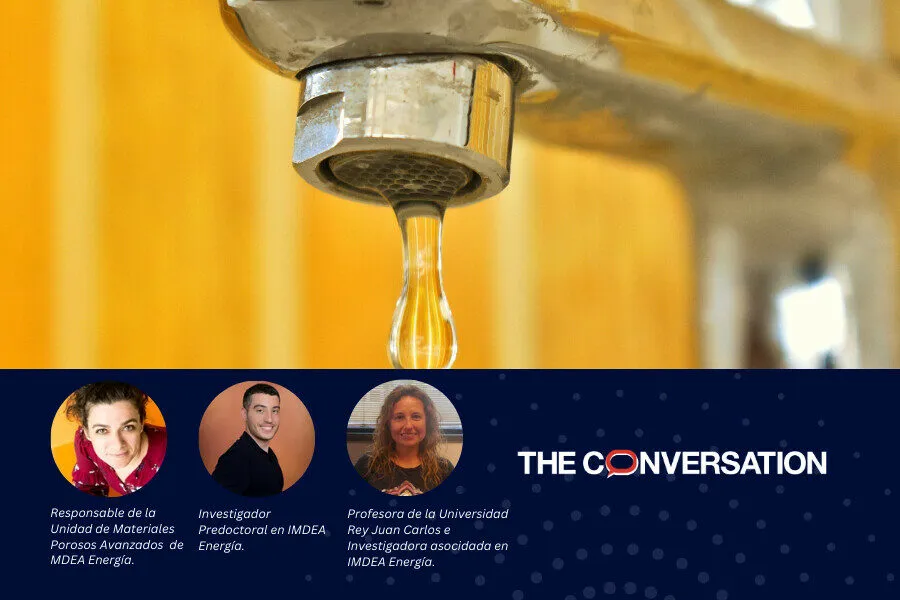
Many people are unaware that the water they consume may contain antibiotics, which can contribute to the development of resistance in infection treatments. These drugs are now found in various bodies of water due to their indiscriminate and irresponsible use. Studies have detected their presence in concentrations ranging from 100 to 50 nanograms (billionths of […]
PhD thesis defence: «Organic waste valorisation into jet fuel through Biotechnological and Thermochemical processes integration»
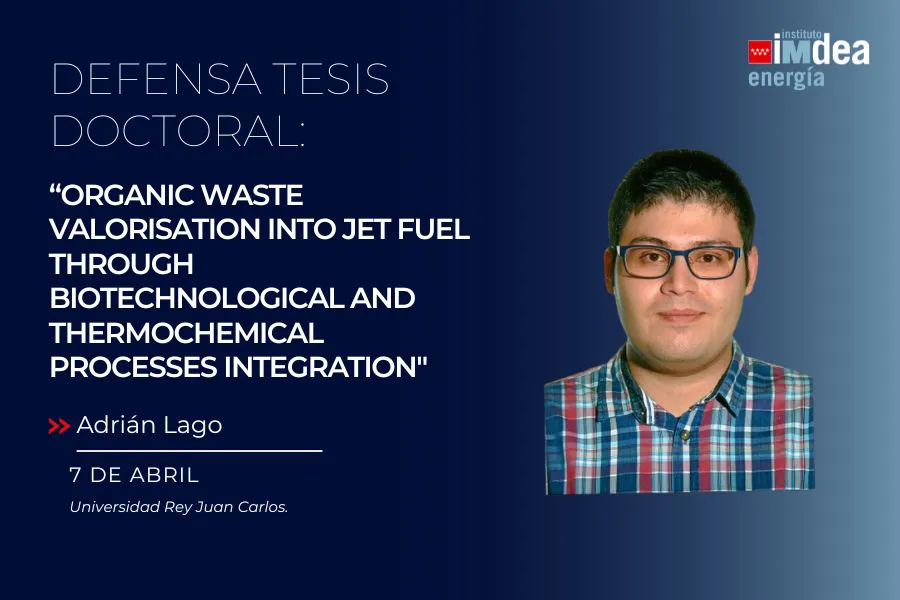
On 7 April, Adrián Lago will publicly defend his doctoral thesis, developed at the Thermochemical Processes Unit and Biotechnological Processes Unit of IMDEA Energy. The defence will take place at Rey Juan Carlos University.