
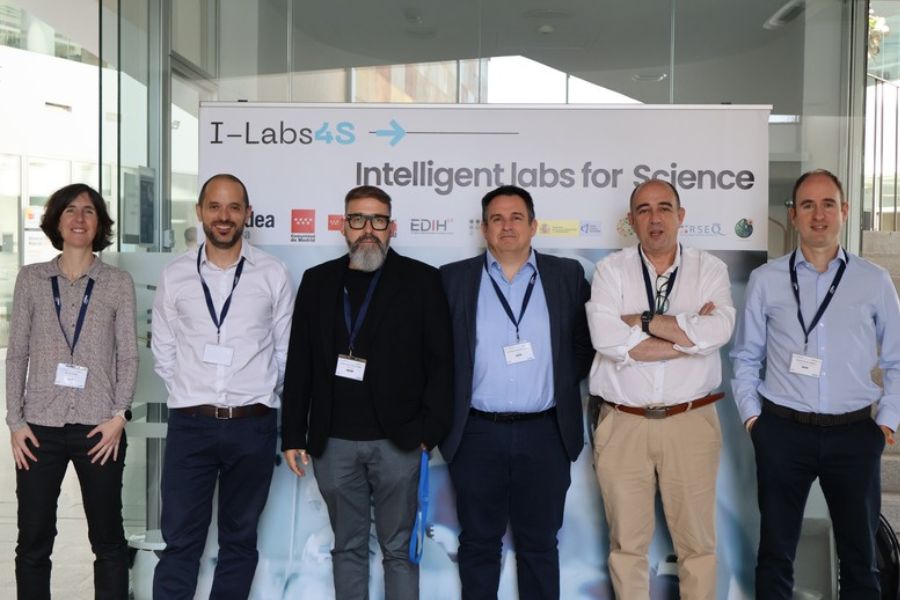
IMDEA Energy presents its BRAIN Lab at I-Labs4S, the European meeting on autonomous laboratories for science
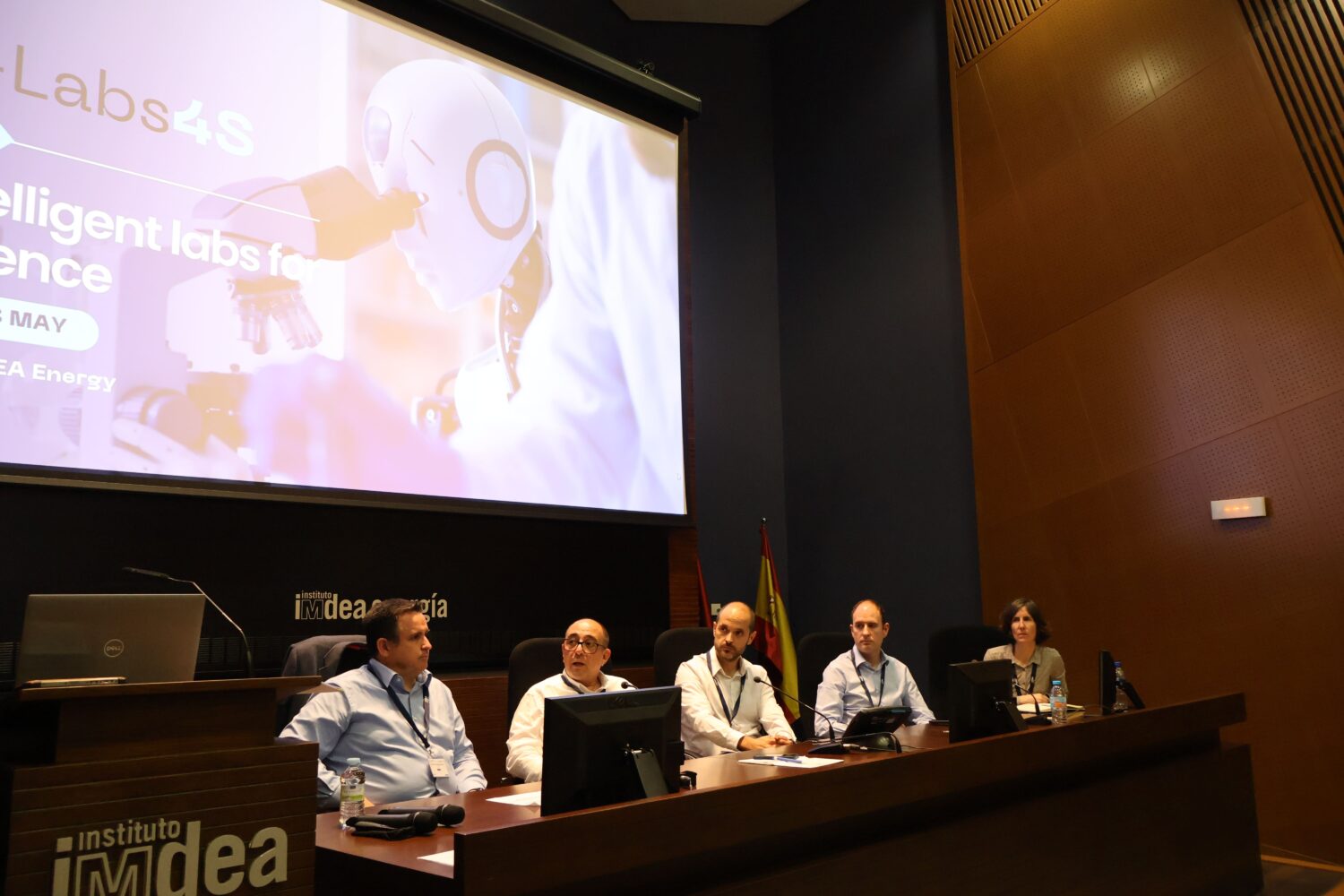
On 27–28 May 2026, IMDEA Energy hosted the I-Labs4S (Intelligent Labs for Science) Symposium, a European event dedicated to autonomous laboratories powered by artificial intelligence, robotics and automation. Held at the institute’s headquarters in Móstoles (Madrid, Spain), the event brought together representatives from research centres, universities, technology companies, funding organisations and public administrations to discuss the future of scientific research and Europe’s role in this transformation.
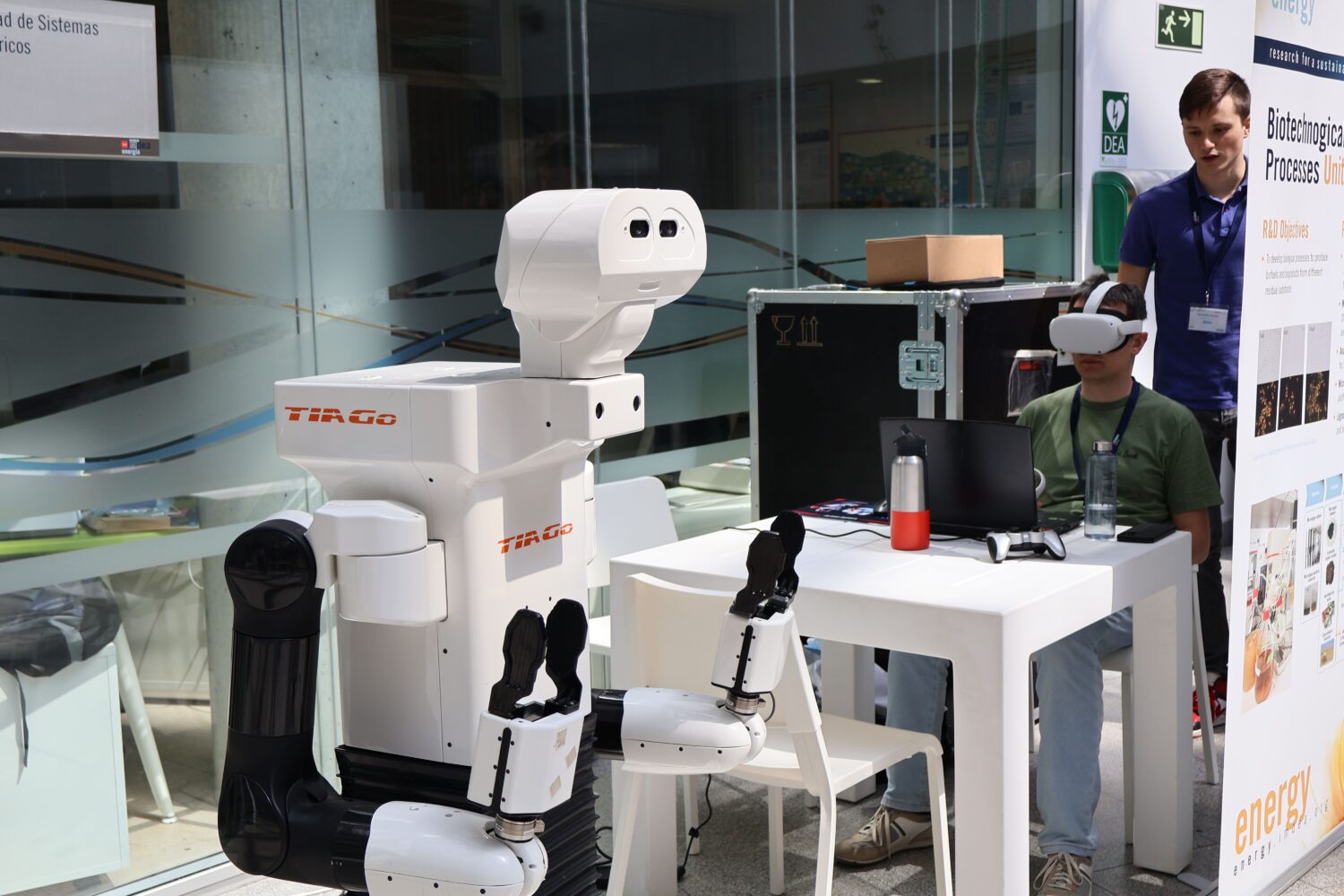
Within this framework, IMDEA Energy presented its BRAIN Lab, a robotic laboratory for materials synthesis and characterisation designed to accelerate the discovery and development of new materials for energy applications. The platform integrates automation, high-throughput experimentation and artificial intelligence, representing a new generation of autonomous laboratories capable of optimising and accelerating research processes.
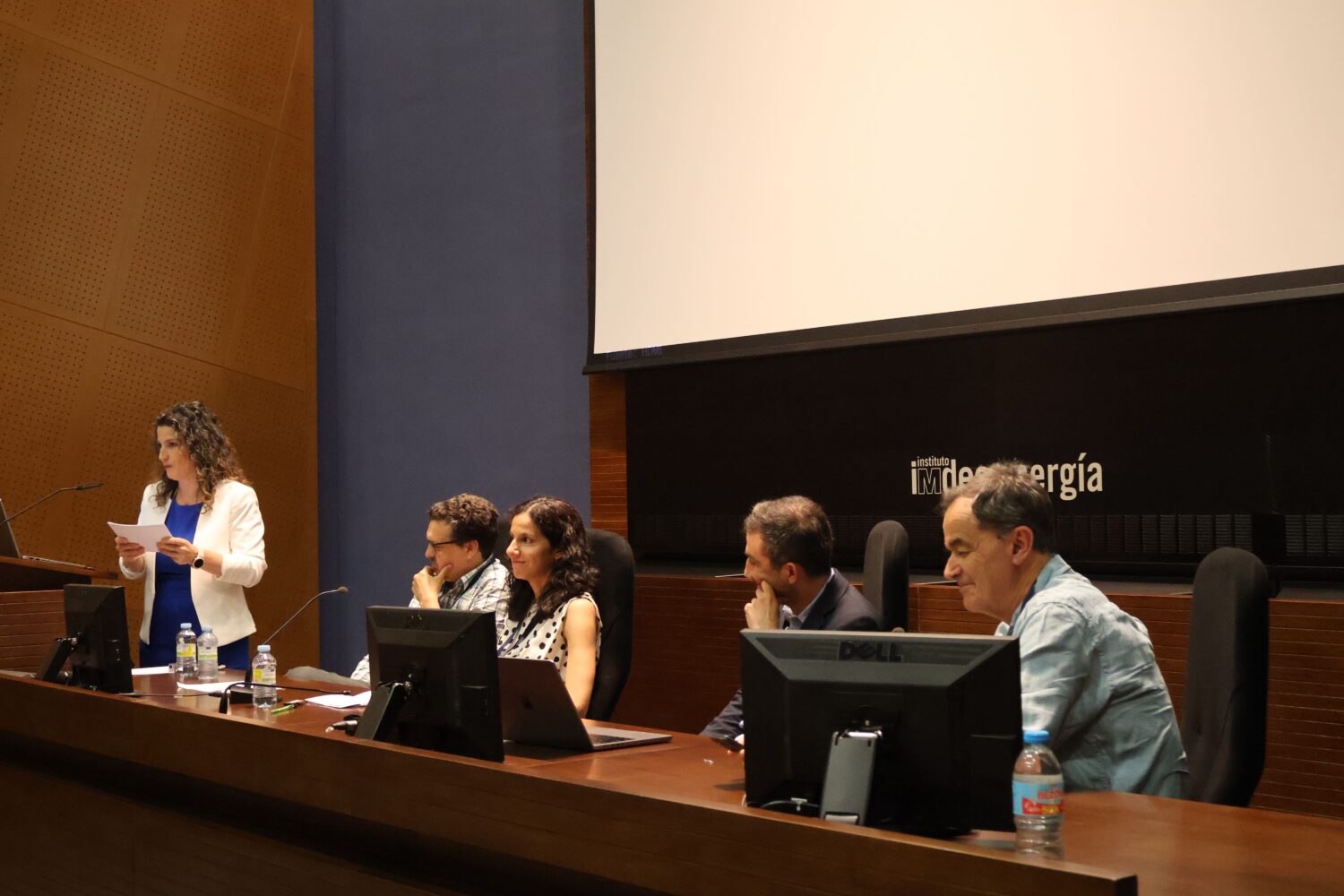
Institutional opening
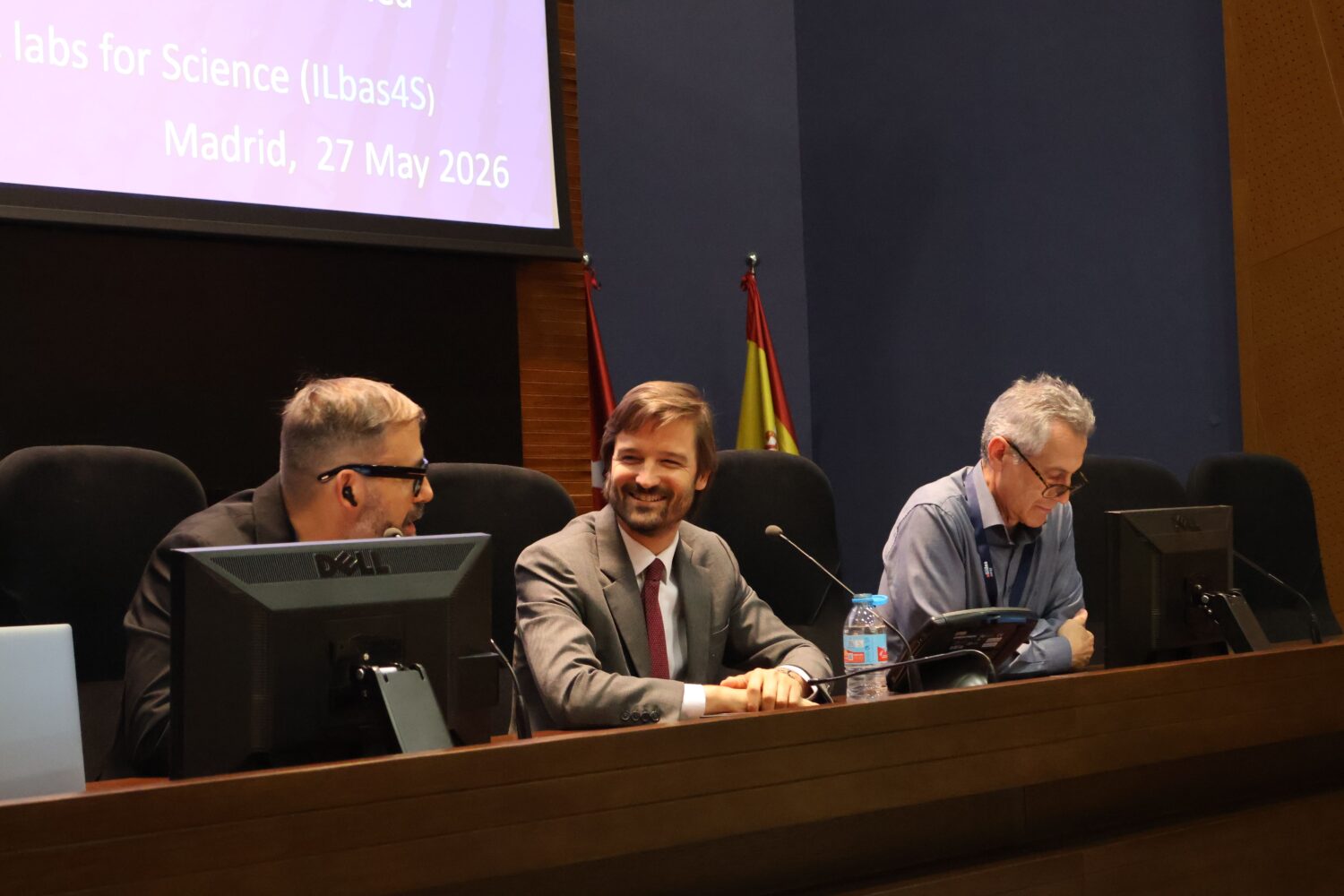
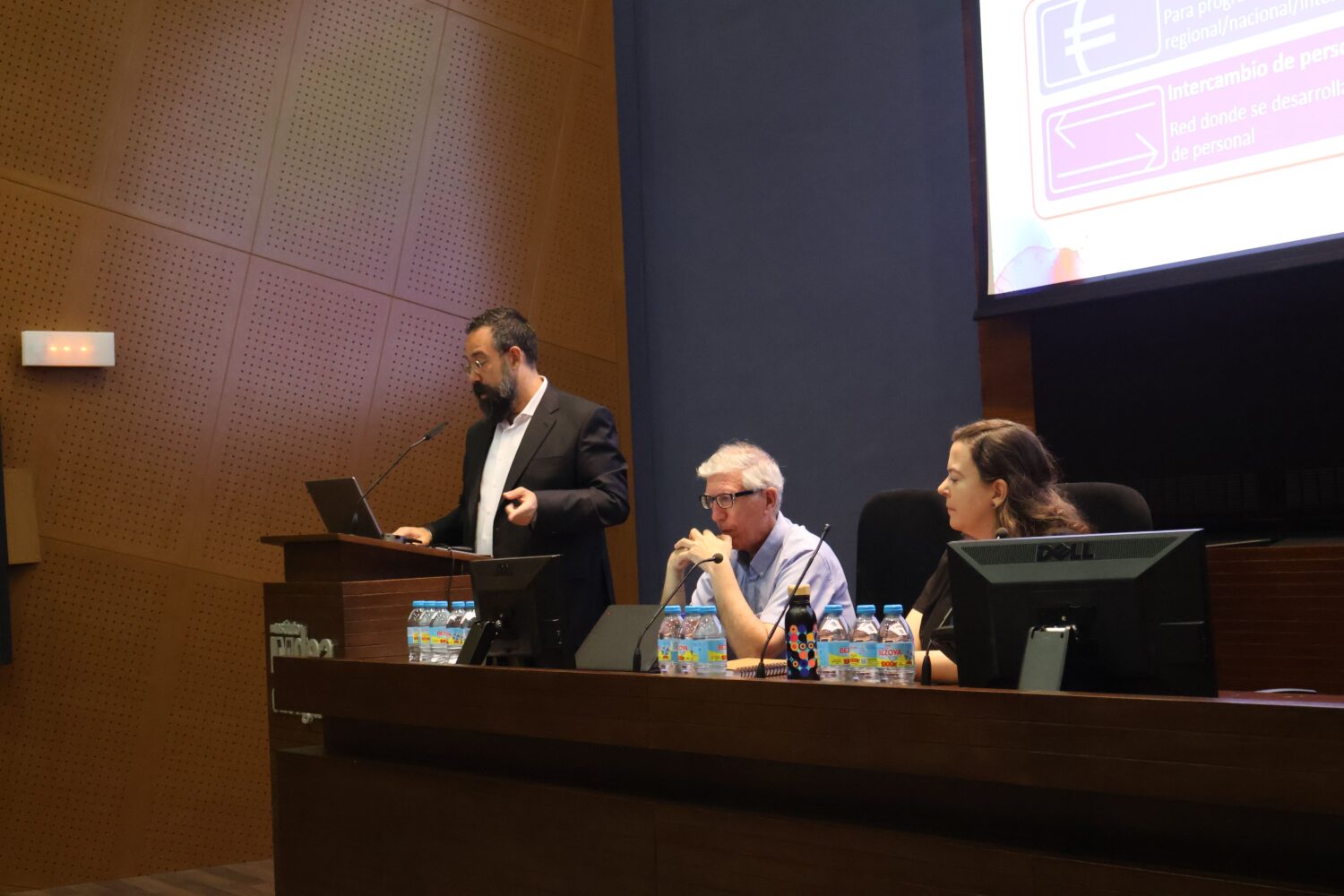
The opening ceremony featured Jaime Martínez Muñoz, Director General for Industry and Economic Promotion of the Regional Government of Madrid, whose participation highlighted the region’s commitment to technological innovation and to strengthening Madrid’s position as a leading European hub for advanced scientific research.
The opening session also included representatives from IMDEA Energy and members of the symposium’s scientific committee.
BRAIN Lab: an infrastructure for autonomous science
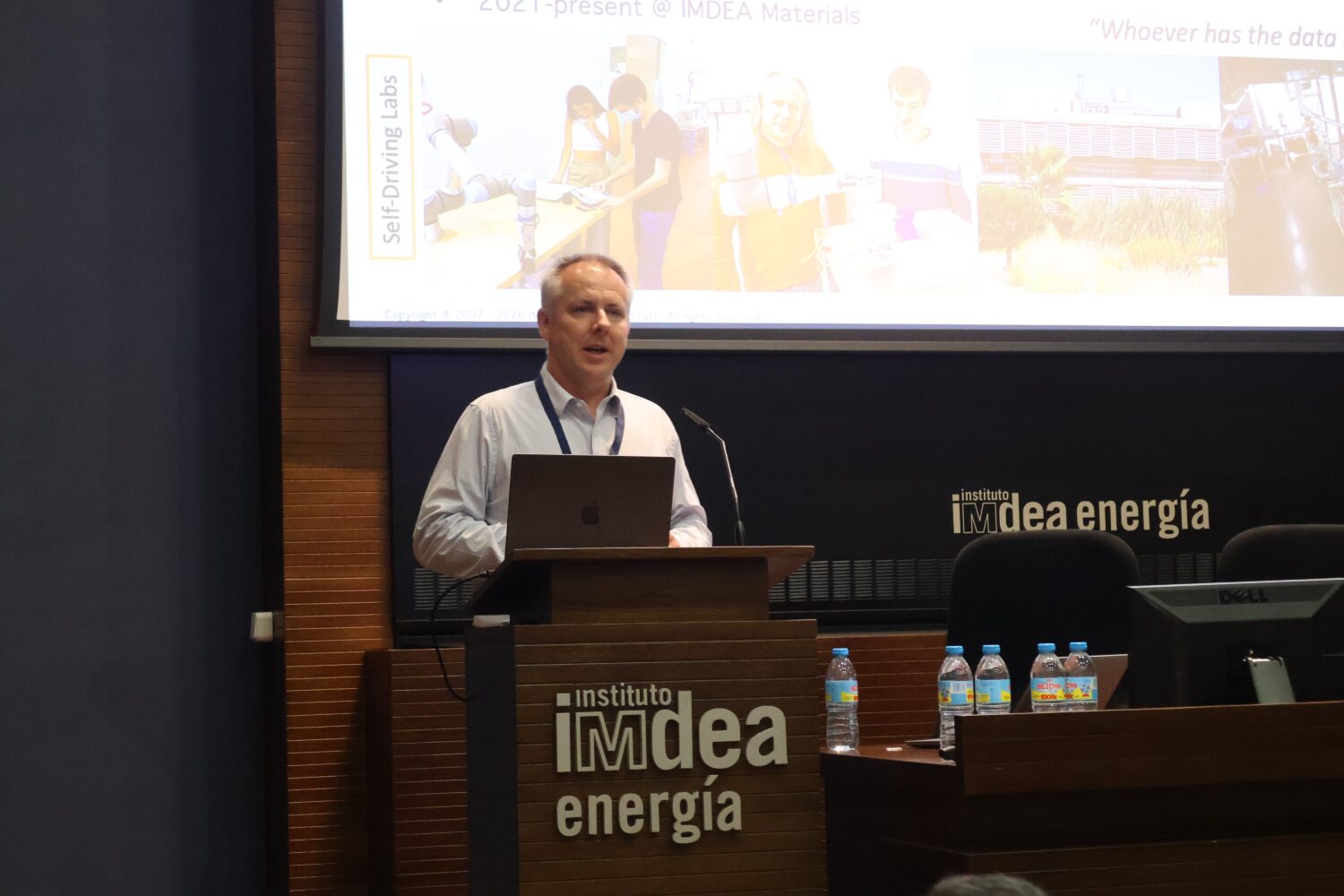
One of the key highlights of I-Labs4S was the presentation of IMDEA Energy’s BRAIN Lab. This infrastructure combines advanced robotics, automated analysis and artificial intelligence to develop autonomous workflows capable of designing, synthesising and characterising materials more efficiently.
Its goal is to accelerate innovation in strategic areas related to the energy transition by facilitating the identification of new materials and optimising experimental processes through intelligent automation and data integration.
A programme featuring more than 30 high-level presentations
Over the course of two days, five thematic sessions addressed topics related to self-driving laboratories, robotics for scientific research, artificial intelligence for science, data management, open science and technology transfer.
The speakers included:
• Víctor A. de la Peña O’Shea (IMDEA Energy) — Presentation of BRAIN Lab, IMDEA Energy’s robotic laboratory for materials synthesis and characterisation. Session Chair.
• Jesús Ranz (Moeve, Industry 5.0 Digital Innovation) — Robotics applied to industrial processes.
• José Miguel Seoane (Repsol, Data & Modelling Technical Advisors) — Self-driving laboratories: from concept to industrial reality.
• Juan Antonio de Fuenmayor Varela (Fujitsu, Head of Insurance Solutions) — Artificial intelligence for automation.
• Antonio Alonso (Acciona) — Innovation in the laboratories of the future.
• Mónica de Mier (Nextmol, CEO and Co-founder) — The computational laboratory for next-generation sustainable chemistry.
• Esteban González Guardia (Technical University of Madrid – UPM) — FAIR principles and data spaces for connected laboratories.
• Ana Herrera Arroyo (PONS IP, Head of the Patent Department and European Patent Attorney) — Open science and intellectual property protection in collaborative projects.
• Patricio Reyes (Barcelona Supercomputing Center, Head of Urban Data Science) — Open science and collaboration opportunities with supercomputing centres.
• Jesús Marco (IFCA-CSIC) — New frontiers in scientific exploration.
• Carlos Balaguer (Carlos III University of Madrid, Emeritus Professor of Robotics) — Global trends in intelligent robotics. Session Chair.
• Héctor Montes Franceschi (UPM) — Integration of collaborative robotic arms in academic and research environments.
• Ángela Ribeiro (CAR-CSIC/UPM) — Autonomous mobile robotics for intelligent laboratory workflows.
• Mª Ángeles Ferre González (Spanish State Research Agency – AEI) — Thematic scientific and technical funding programmes.
• Luis Maeso (CDTI Innovation) — Strategic initiatives promoted by CDTI.
• Lara Rodríguez Ruibal (Madri+d Foundation, EDIH Madrid Región 2.0 Coordinator) — EDIH Madrid Región 2.0 as a driver of digital innovation.
• Eduardo Troche Pesqueira (28Digital, Ecosystem Lead · Green Digital) — Supporting European digital ecosystems from laboratory to scale-up.
• Dr. Yuhui Hou (ETH Zürich) — Advanced automation in high-throughput laboratories.
• Dr. Julio Lloret (ICIQ) — Towards closed-loop autonomous catalyst development.
• Dr. Sergio Pablo García (IMN-CNM, CSIC) — Foundations of autonomous laboratory workflows.
• Dr. Jin Hyun Chang (Technical University of Denmark – DTU) — Accelerated design of sustainable electrolytes through self-driving experimentation.
• Dr. Iñaki Sarriegui Martínez (Tecnalia) — Next-generation digital laboratories: data, AI and visual technologies.
• Dr. Fernando Fernández (Carlos III University of Madrid / Inrobics) — Artificial intelligence for human–robot interaction.
• Dr. Pelayo García de Arquer (ICFO) — Automated optimisation of catalyst protocols for water splitting.
• Dr. Maciej Haranczyk (IMDEA Materials Institute) — Self-driving laboratories for polymers and nanocomposites.
• Dr. Joaquín Otón (ALBA Synchrotron) — From complex data to solutions: an integrated scientific framework.
• Dr. Rubén Sansegundo (UPM) — Enabling autonomous scientific infrastructures.
• Dr. Kaushik Mallik (IMDEA Software Institute) — AI security: a formal methods perspective.
• Dr. Jorge Bravo Abad (Autonomous University of Madrid – UAM) — From productivity tool to discovery infrastructure: the next phase of AI for science.
Main themes of the symposium
The programme was structured around four major themes: the design and deployment of self-driving laboratories; robotics and automation of experimental workflows; governance, ethics and open science; and the transfer of scientific advances to industry.
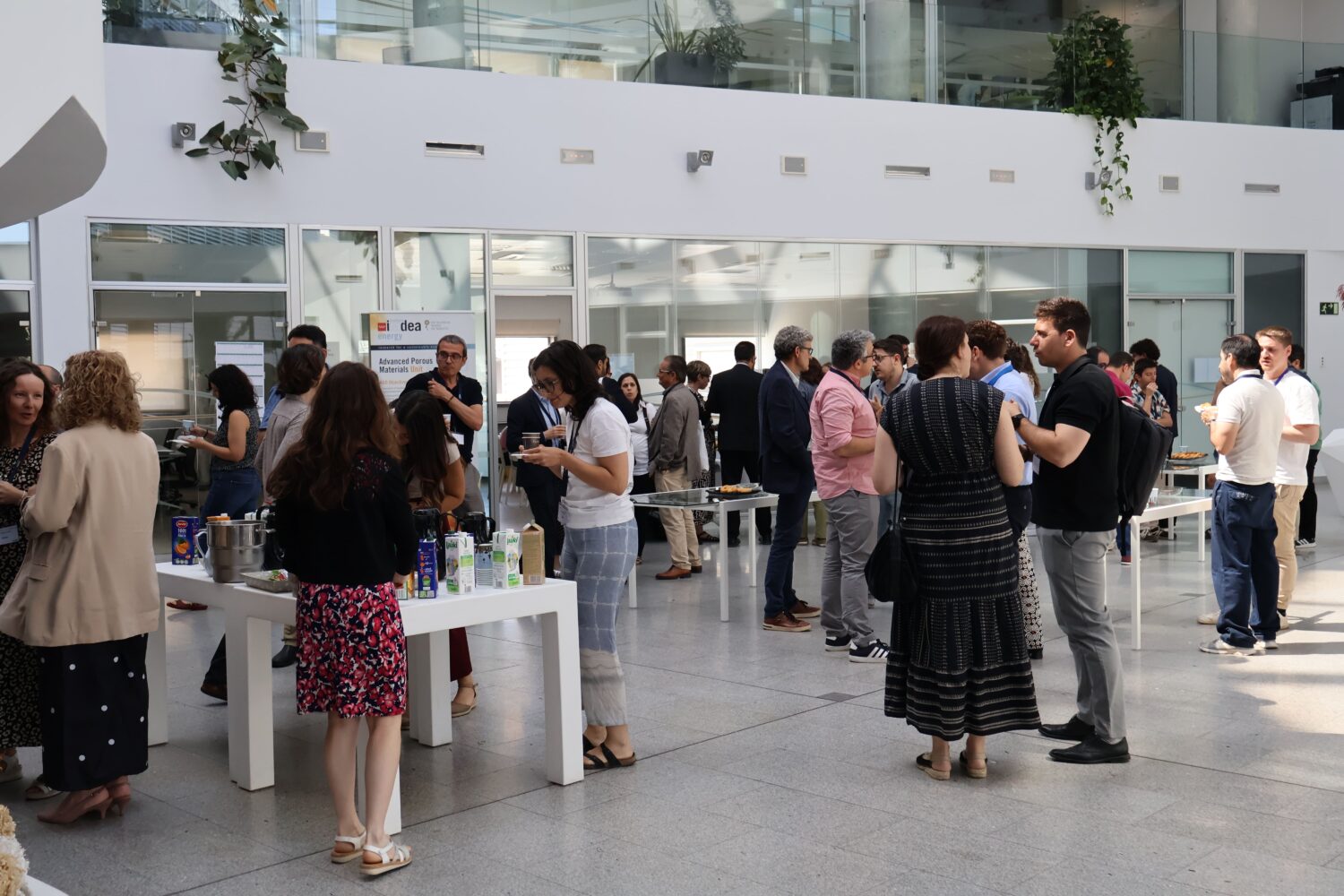
The sessions combined technical presentations, strategic discussions and networking opportunities aimed at strengthening collaboration between academia, industry and public institutions.
Collaborating organisations
I-Labs4S brought together more than 25 organisations from across the European research and innovation ecosystem.
Participating organisations included IMDEA Energy, IMDEA Materials Institute, IMDEA Software Institute, Madri+d Foundation, the Spanish State Research Agency (AEI), CDTI Innovation, Barcelona Supercomputing Center (BSC), ALBA Synchrotron, CSIC (CAR, IFCA and IMN-CNM), Technical University of Madrid (UPM), Carlos III University of Madrid (UC3M), Autonomous University of Madrid (UAM), ICFO, ICIQ, ETH Zürich, Technical University of Denmark (DTU), Tecnalia, Repsol, Moeve, Fujitsu, Acciona, Nextmol, PONS IP and 28Digital.
The event was co-organised by IMDEA Energy together with the FOTOFUEL and FOTOART5.0 projects, with the support of the Madri+d Foundation.
“The autonomous science revolution is not something that lies ahead: it is already here. Europe must lead this transformation.”
Víctor A. de la Peña O’Shea, IMDEA Energy
Building the future of European science
Beyond serving as a forum for discussion, I-Labs4S was conceived as a working meeting focused on concrete actions to accelerate the adoption of autonomous laboratories across Europe. The symposium highlighted the importance of strengthening collaboration between research organisations, industry and public administrations in order to fully harness the potential of artificial intelligence and automation in scientific discovery.
Through the organisation of this symposium and the presentation of the BRAIN Lab, IMDEA Energy reinforces its commitment to the development of advanced scientific infrastructures and to promoting a more efficient, connected and impact-oriented research ecosystem capable of addressing the major energy and technological challenges of the coming decades.