
IMDEA Energy strengthens its role as a bridge between industry and sustainable research at GENERA 2025
IMDEA Energy returned once again to the International Energy and Environment Fair, GENERA, reinforcing its position as a key connector between research and industry. Through pioneering projects and collaborations across the energy sector, the institute showcased its commitment to innovation and the energy transition.
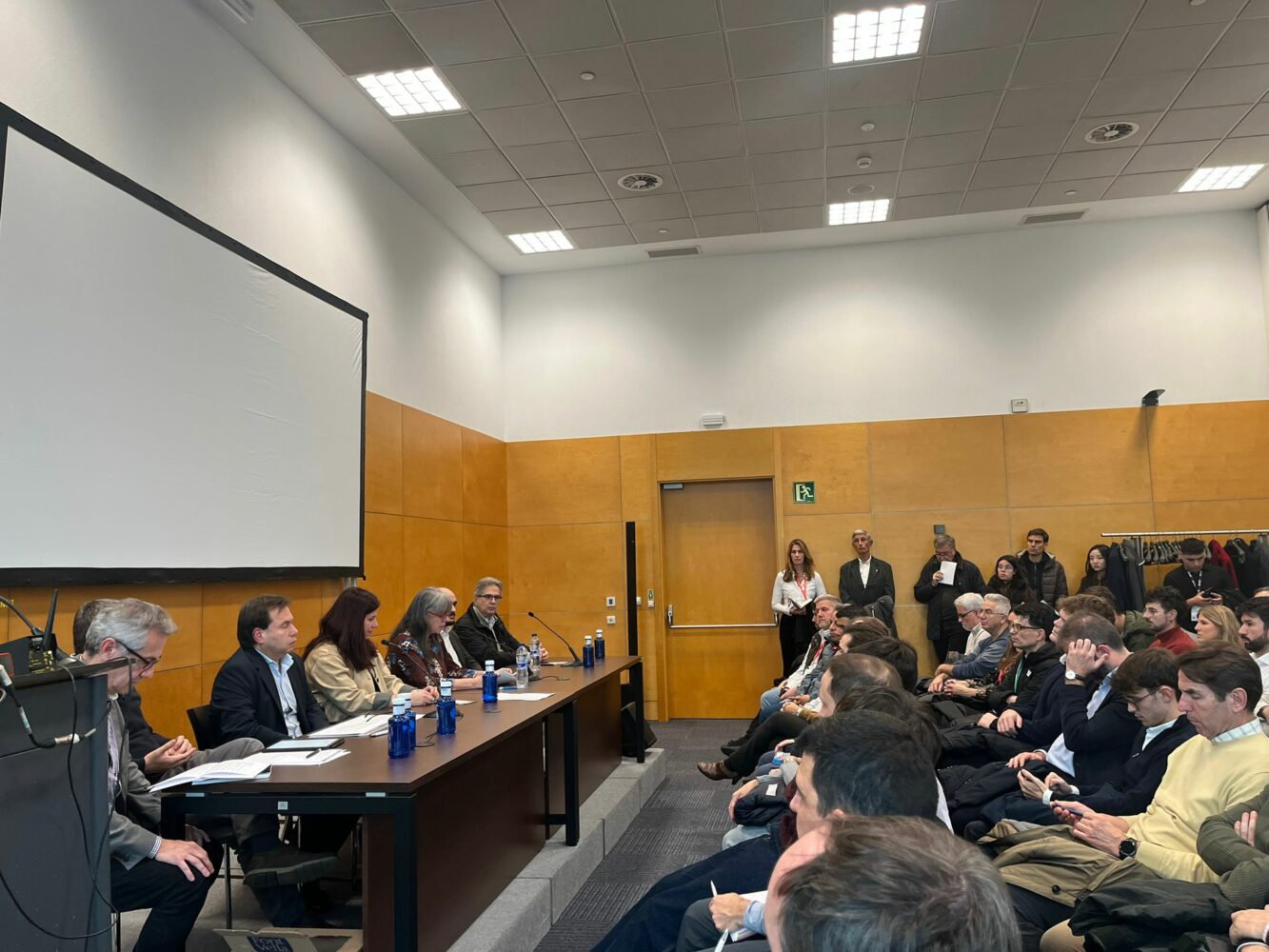
Over the three days of the fair, IMDEA Energy hosted an exhibition space within the Madri+d Foundation Pavilion and took part in Green Connect 2025, the Enterprise Europe Network business matchmaking event. The institute also organised four technical sessions that brought together companies, research centres, public authorities and leading energy-sector stakeholders, creating a forum for discussion on technologies essential to a sustainable transition.
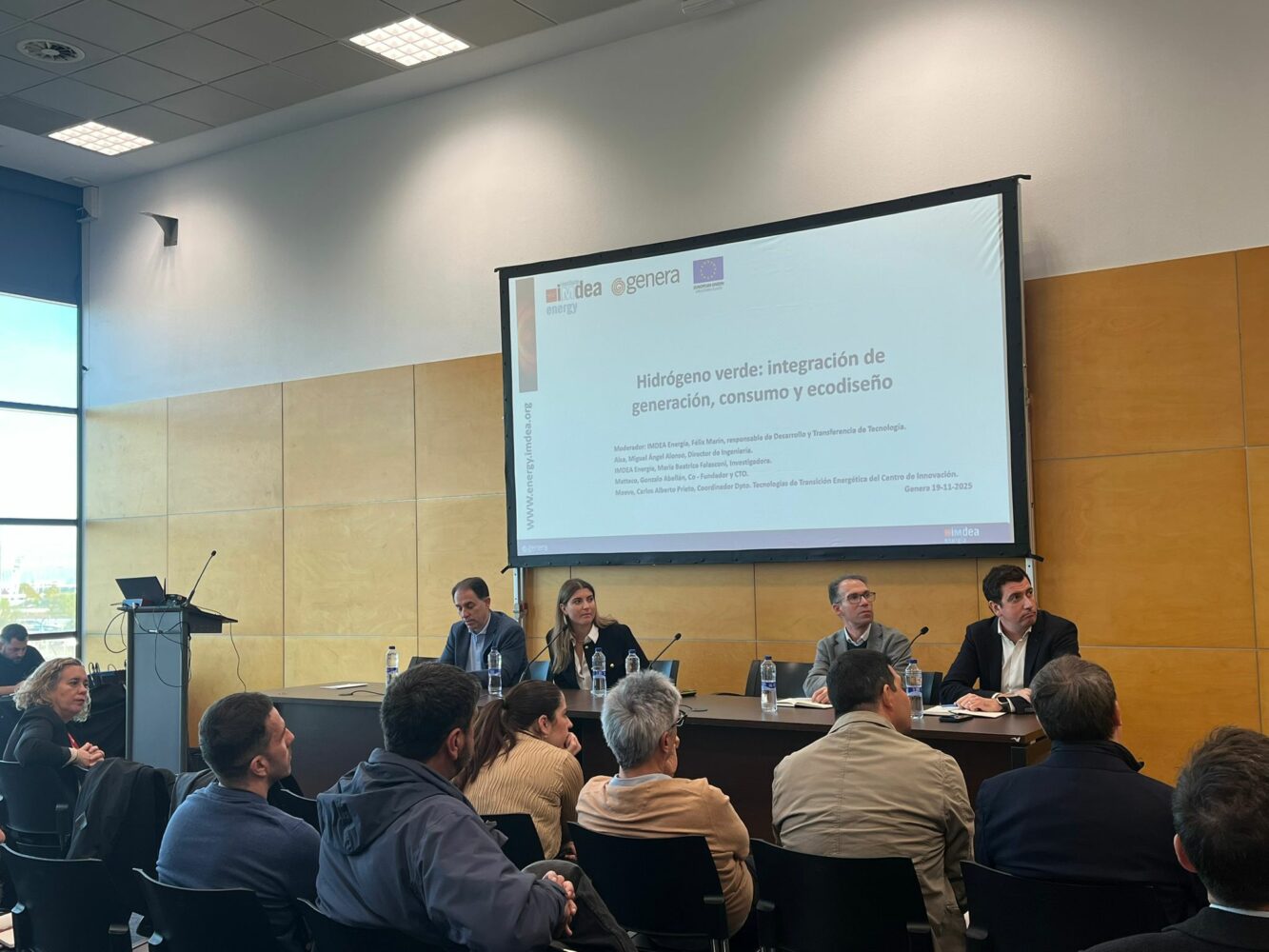
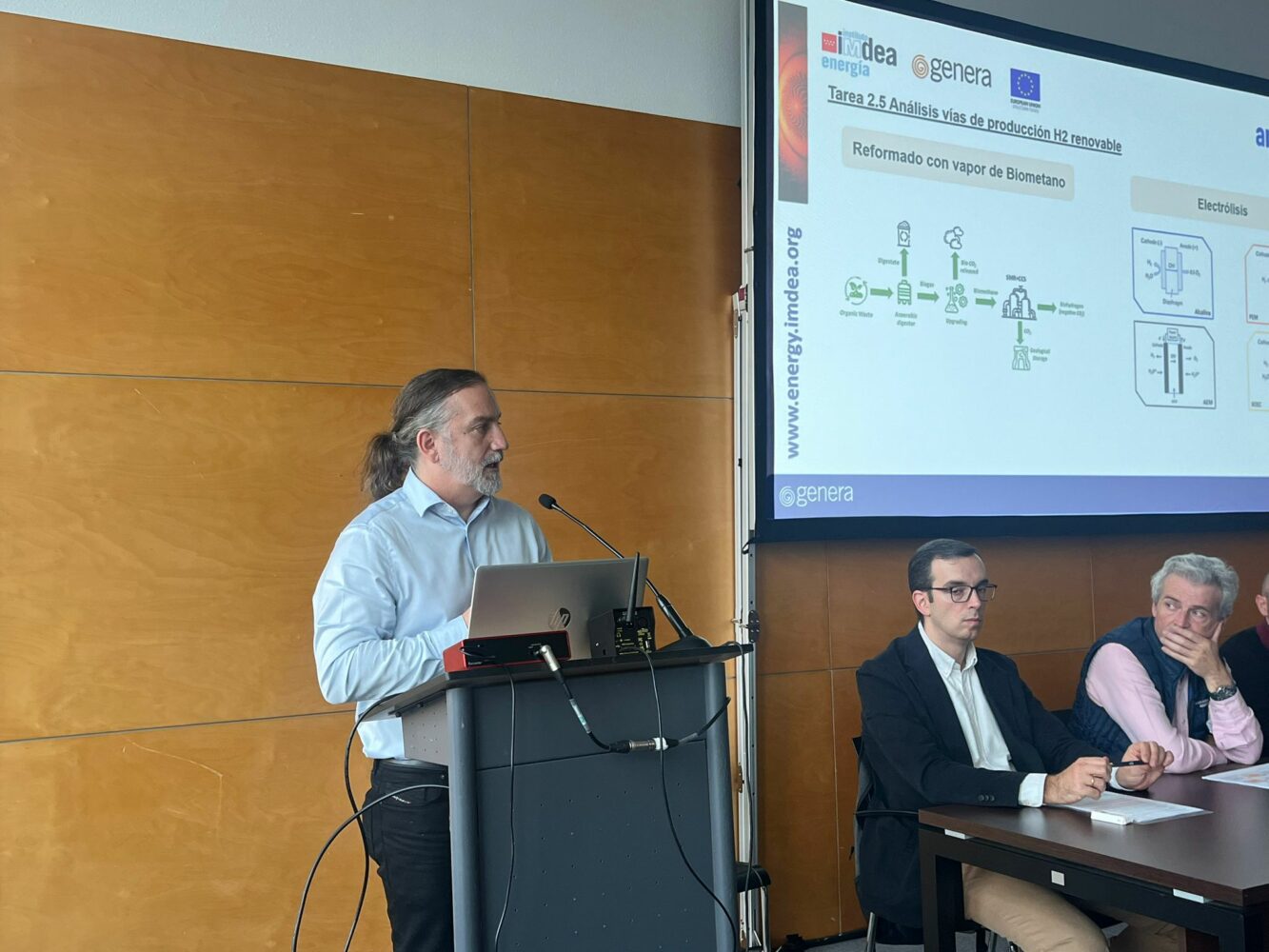
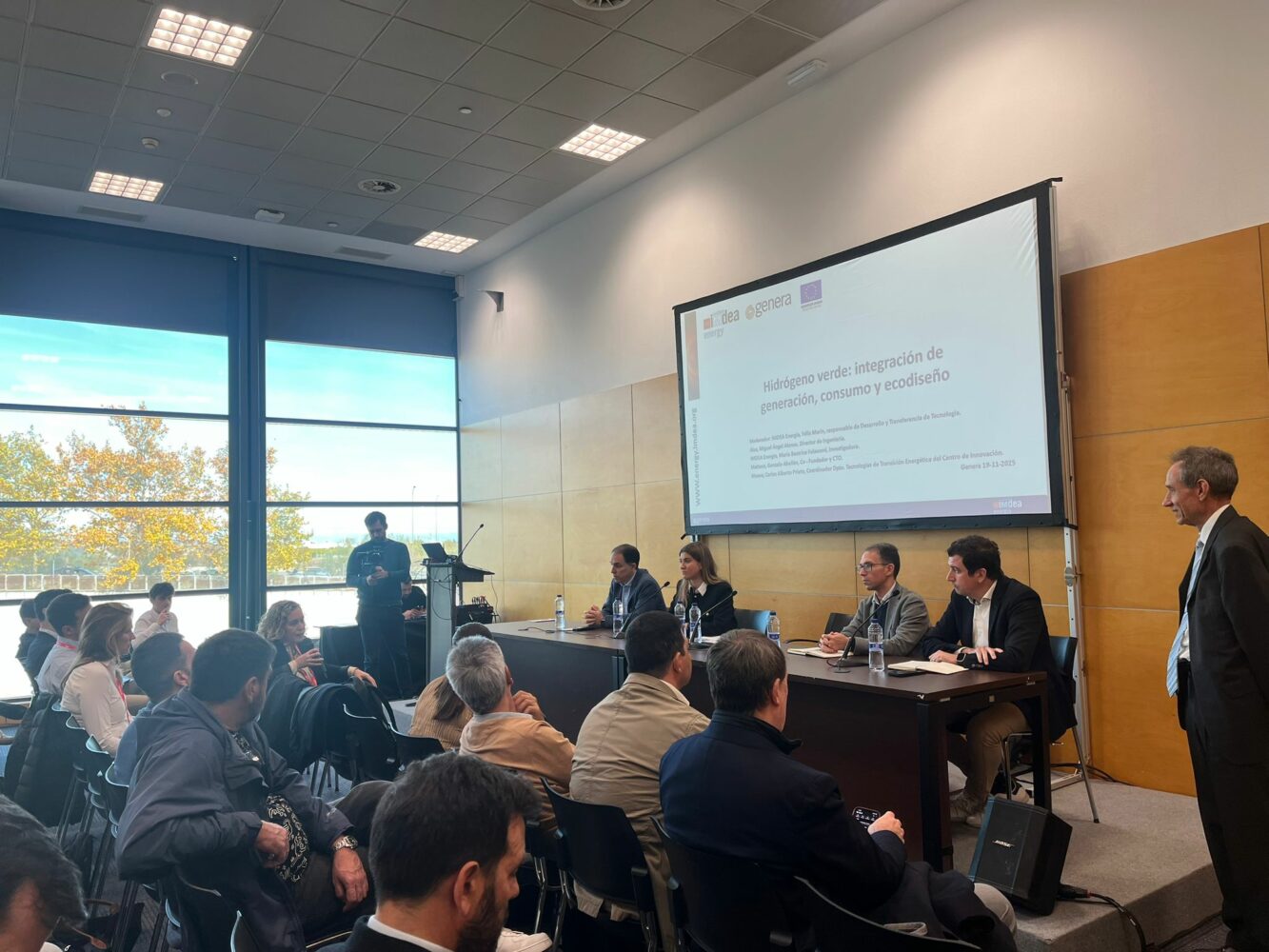
The first session focused on green hydrogen and opened with an overview of electrolysis projects underway in Spain and Portugal, as well as the challenges still shaping their rollout—ranging from the need to create stronger demand to establishing clear regulatory frameworks, incentives and new investment. The discussion moved into hydrogen’s role in decarbonising hard-to-electrify sectors and reducing Europe’s energy dependence, highlighting capacity forecasts and the potential of technologies such as AEM. IMDEA Energy presented its progress in solid oxide electrolysis, a high-efficiency, high-temperature technology still under development, and shared updates on projects such as PROMETEO and GREENH2 aimed at integration with renewable energy sources. The session was moderated by Félix Marín (IMDEA Energy) with contributions from María Beatrice Falasconi (IMDEA Energy), Miguel Ángel Alonso (Alsa), Gonzalo Abellán (Matteco) and Carlos Alberto Prieto (Moeve).
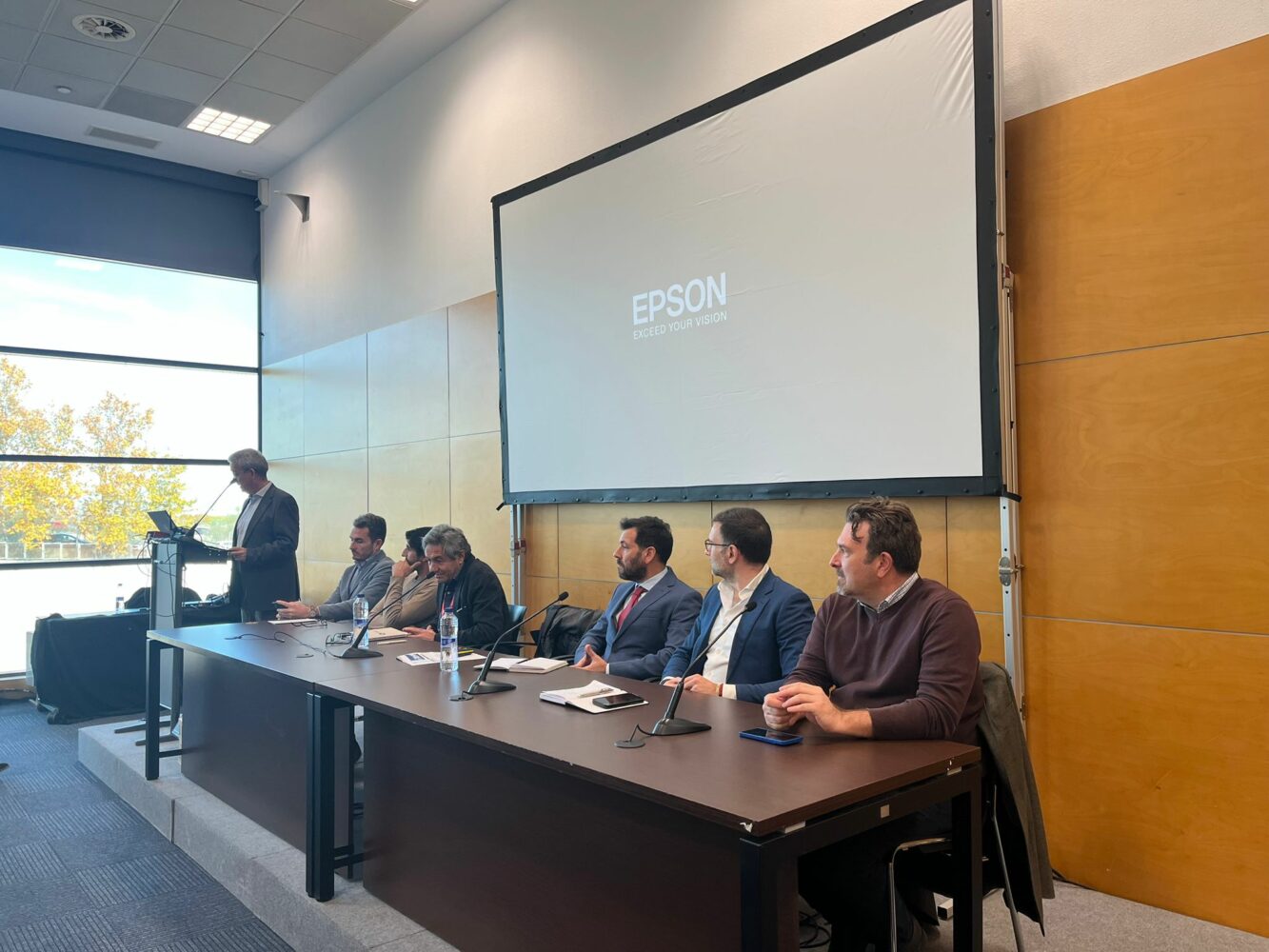
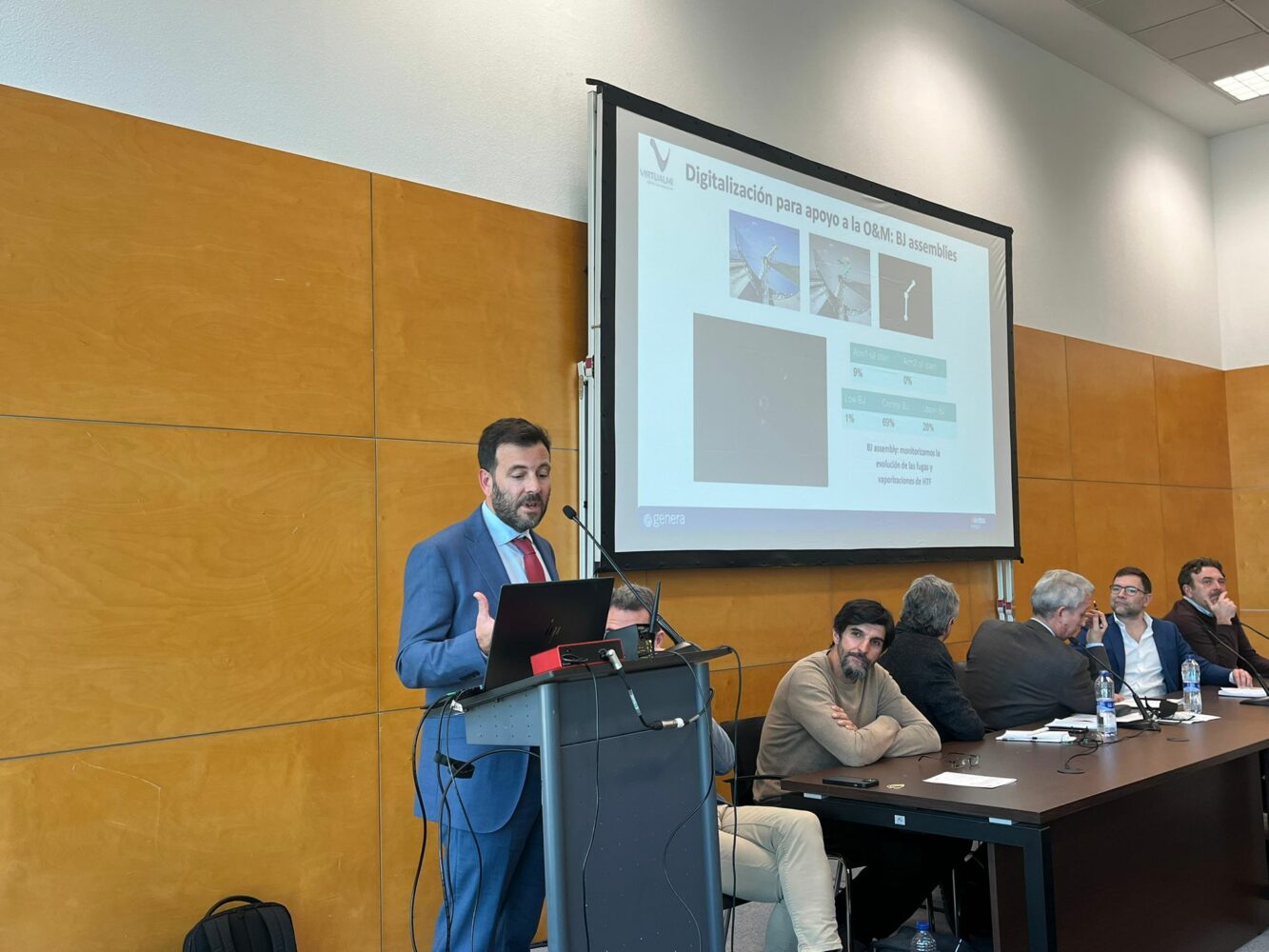
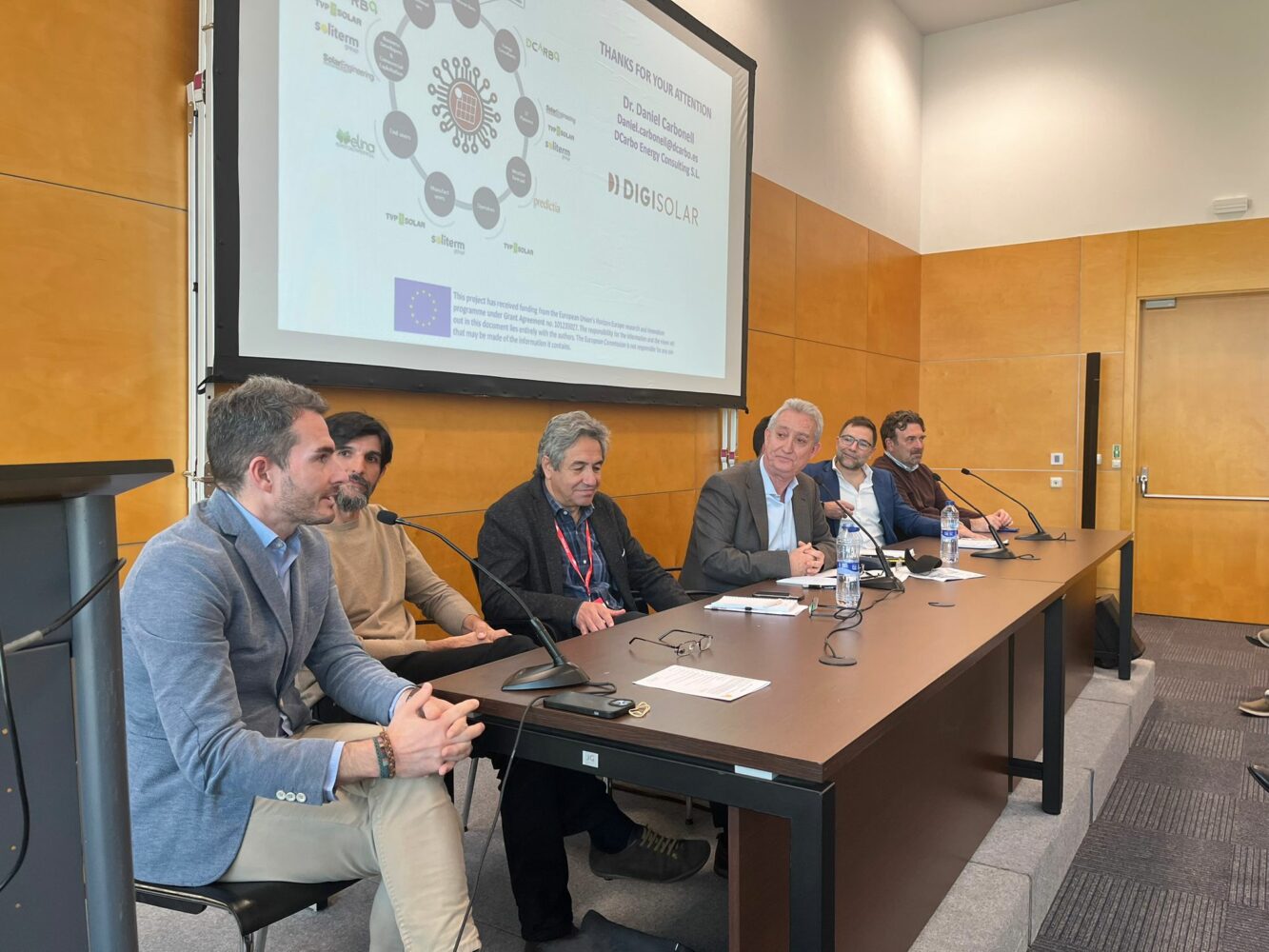
The second session centred on digitalisation and artificial intelligence applied to solar thermal energy, as part of the Community of Madrid’s ACES4NET0-CM research programme. The session featured the new European initiatives SUN-DT and DIGISOLAR, launched in 2025 to support digitalisation in concentrated solar power. Speakers discussed new methodologies and tools for characterisation, predictive and preventive maintenance, and the creation of digital twins to improve the performance and management of CSP plants. Participants included Manuel Romero (IMDEA Energy), Diego Caro (ACCIONA Construction), Marcelino Sánchez (CENER), Daniel Carbonell (DCarbo Energy Consulting), Milan Prodanovic (IMDEA Energy), Óscar Balseiro (Solar Concentra – Protermosolar) and Juan Sebastián Valverde (VirtualMech).
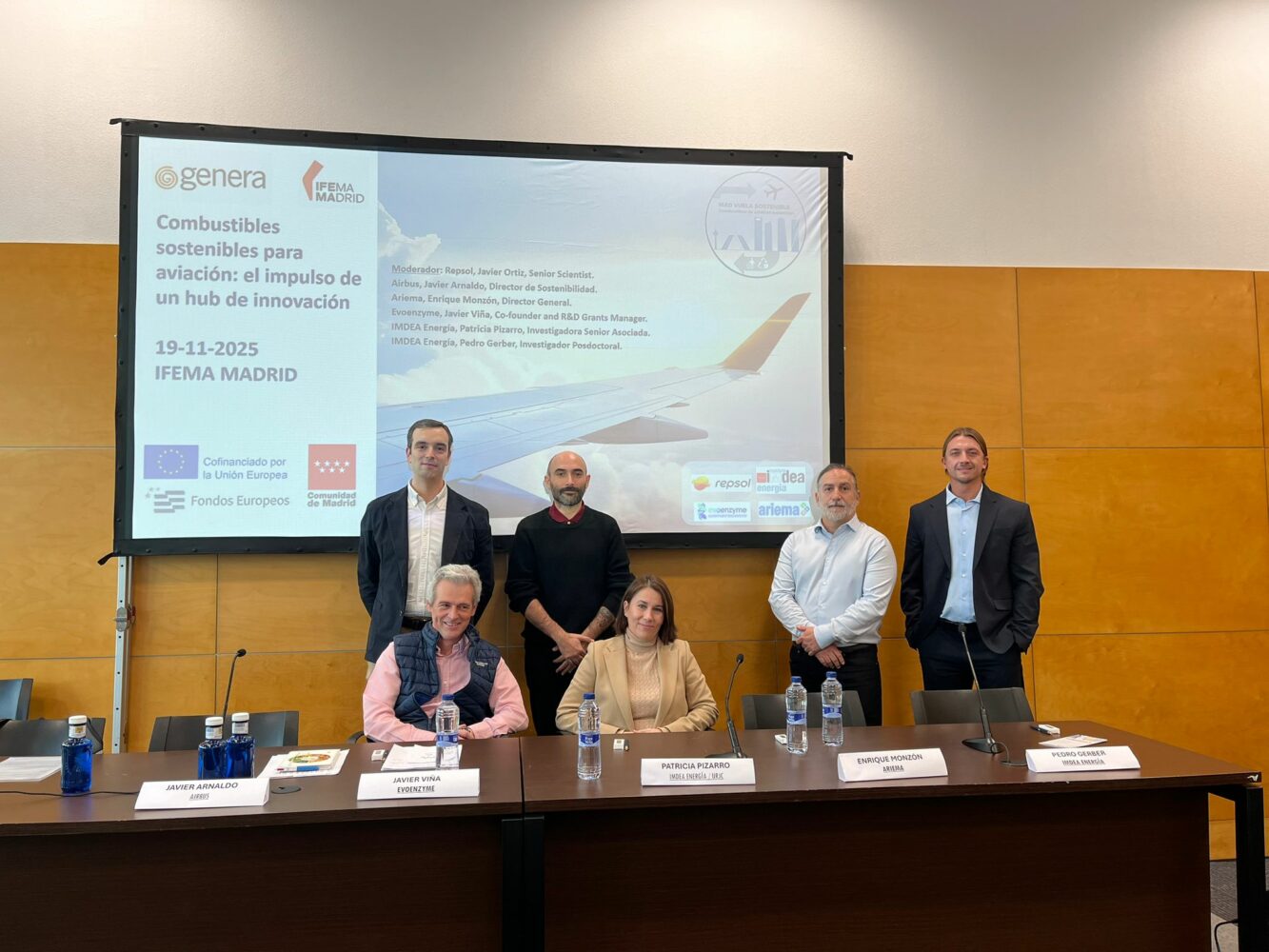
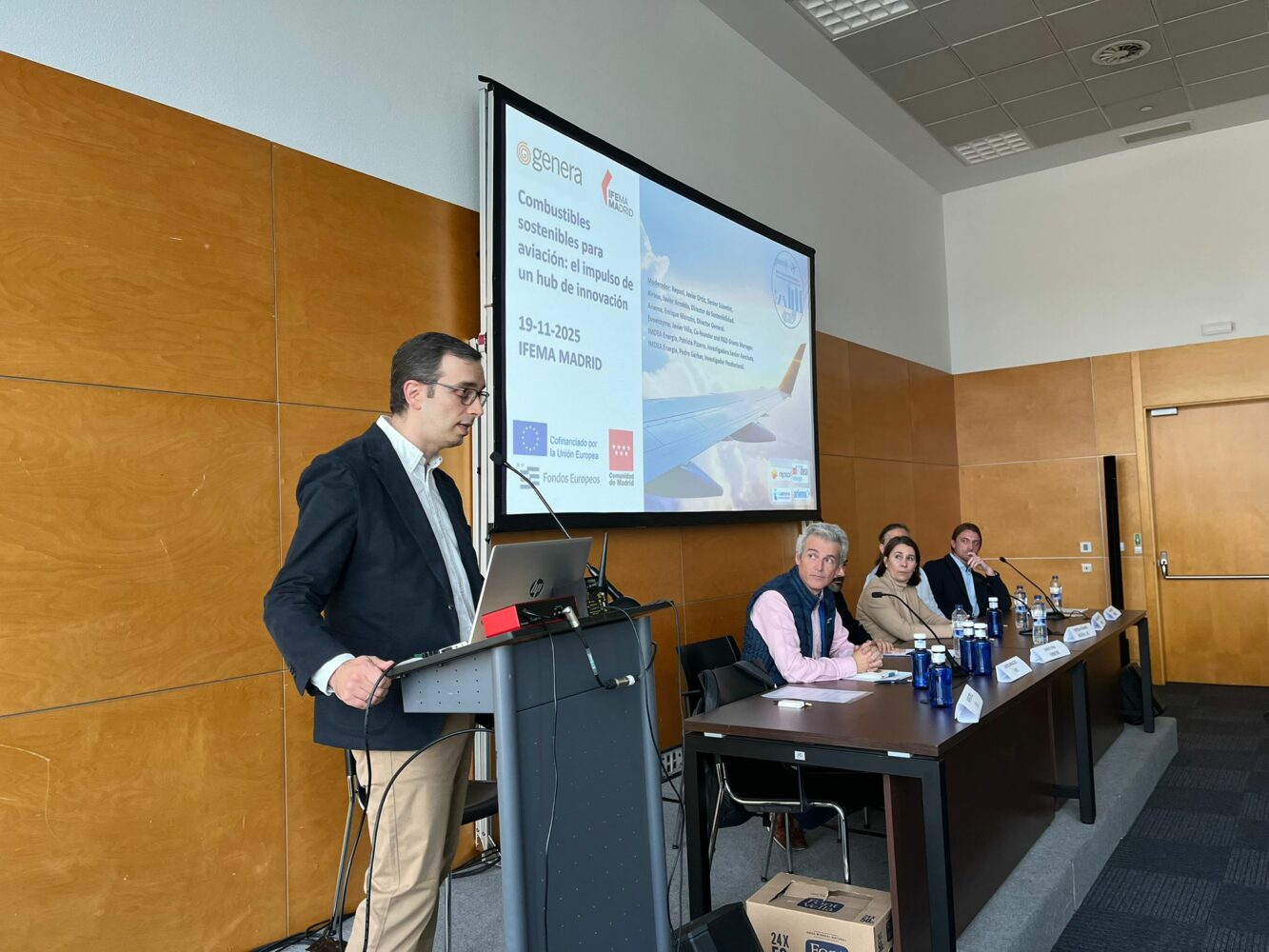
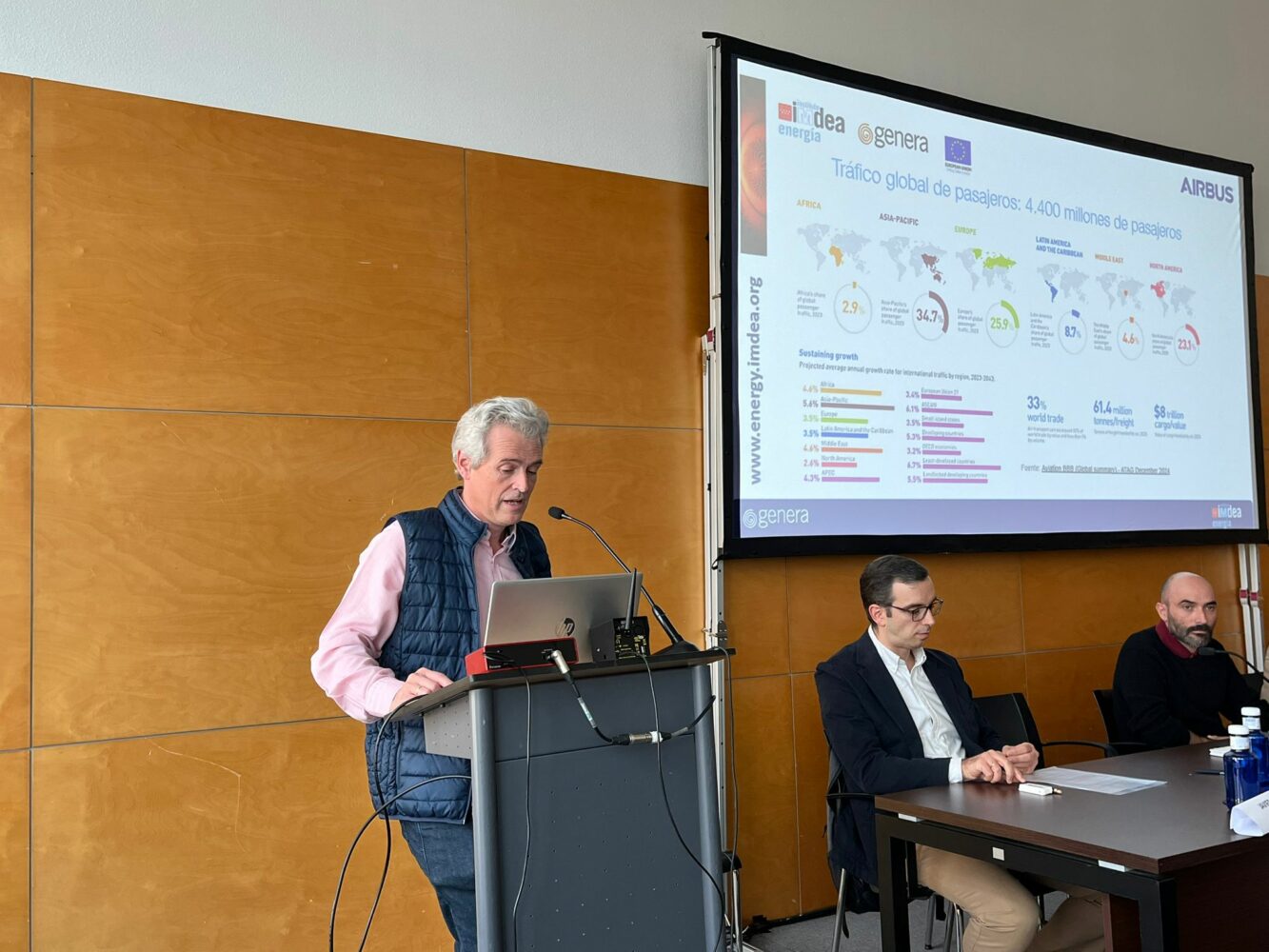
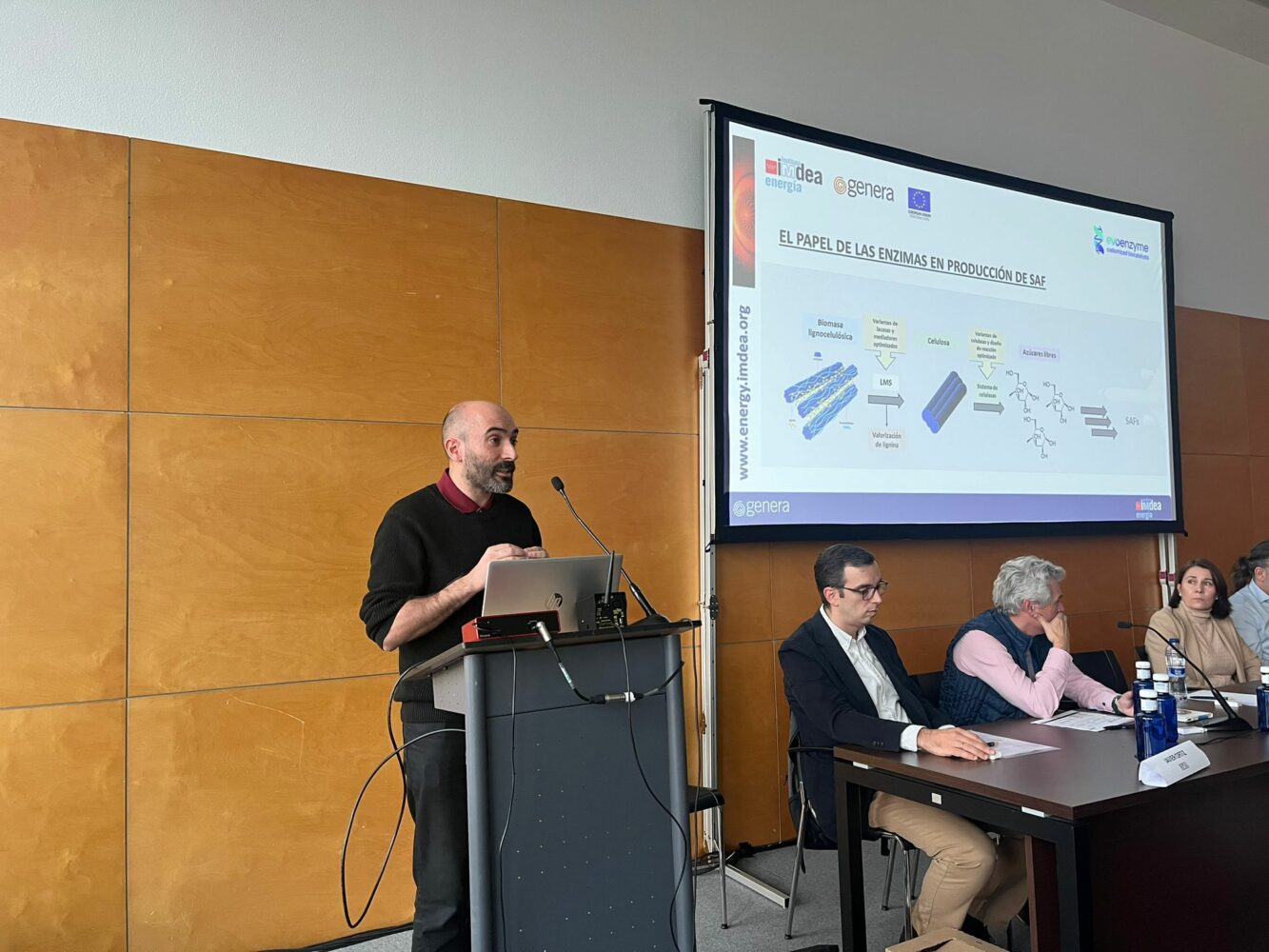
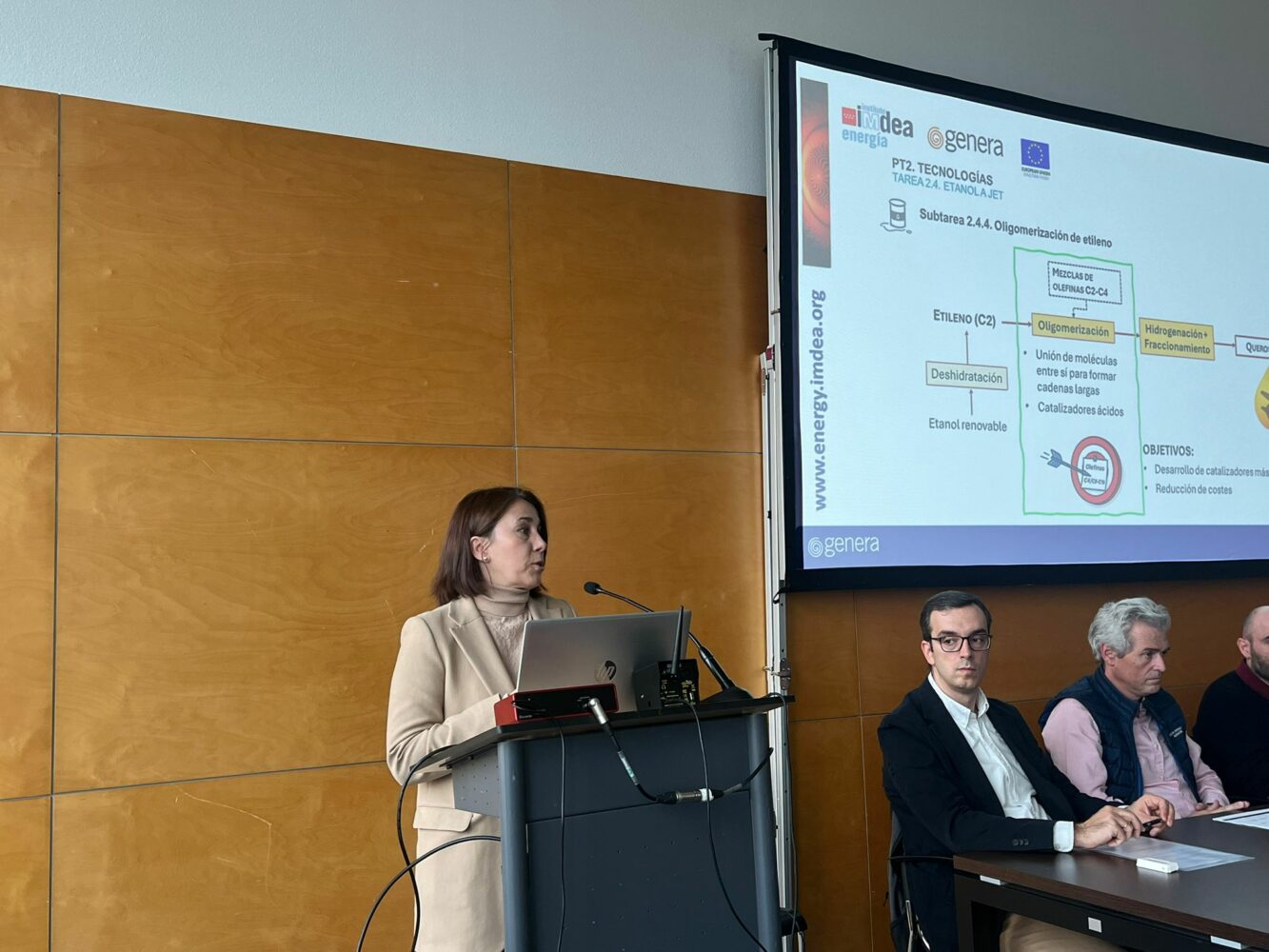
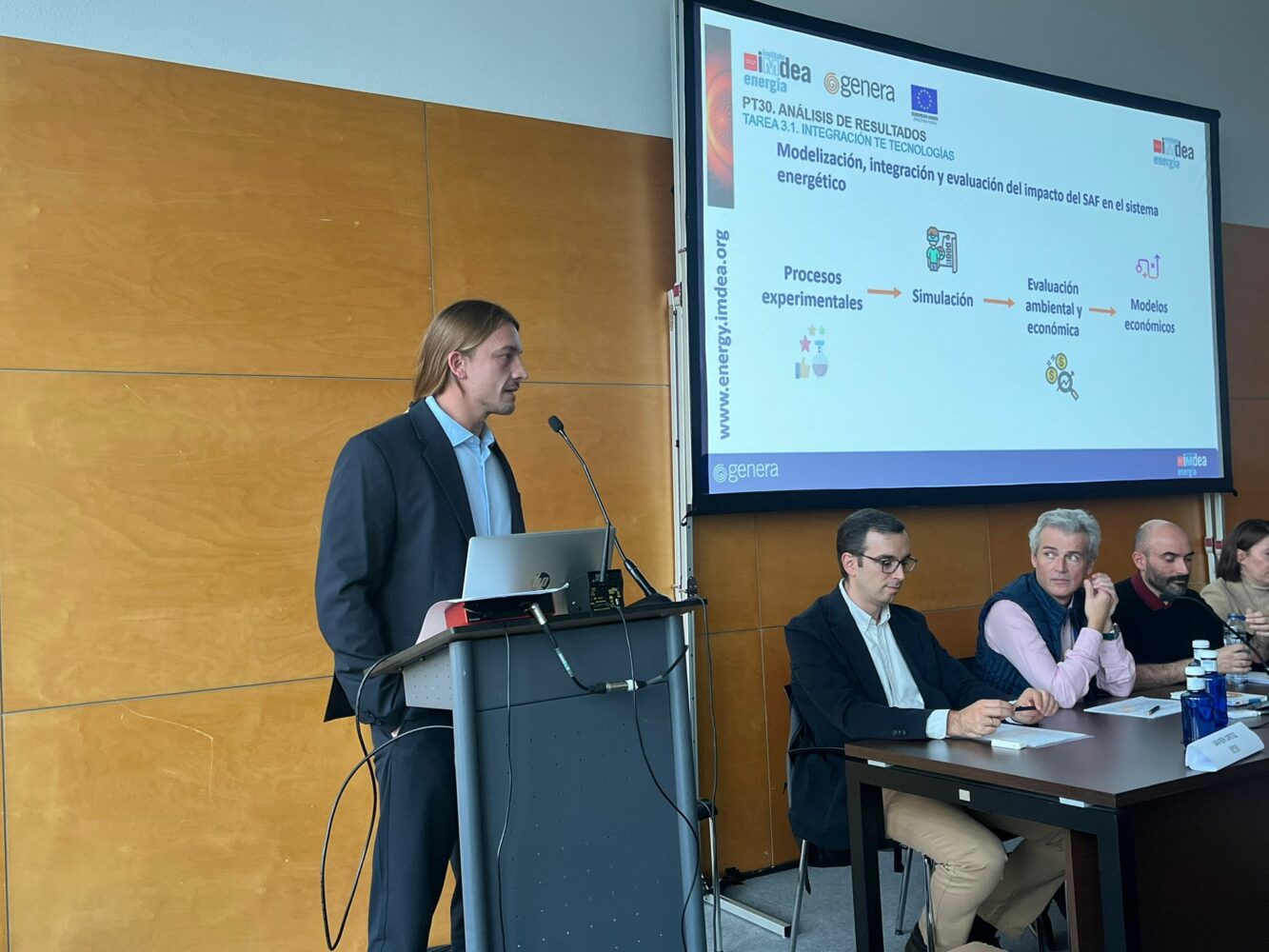
The session on sustainable aviation fuels (SAF) reviewed the latest advances in SAF production. The “Madrid Flies Sustainable” Innovation Hub was presented as an initiative connecting the different actors involved along the value chain. The speakers addressed aviation-related emissions and the urgent need to accelerate decarbonisation, emphasising SAF’s potential to cut lifecycle emissions by around 80% and the complementary role of operational improvements. The discussion also highlighted the opportunity for Spain to develop a strong national industry in this field and reviewed the main technological routes for producing SAF. The panel, moderated by Javier Ortiz (Repsol), included Javier Arnaldo (Airbus), Enrique Girón (Ariema), Javier Viña (Evoenzyme) and IMDEA Energy researchers Patricia Pizarro and Pedro Gerber.
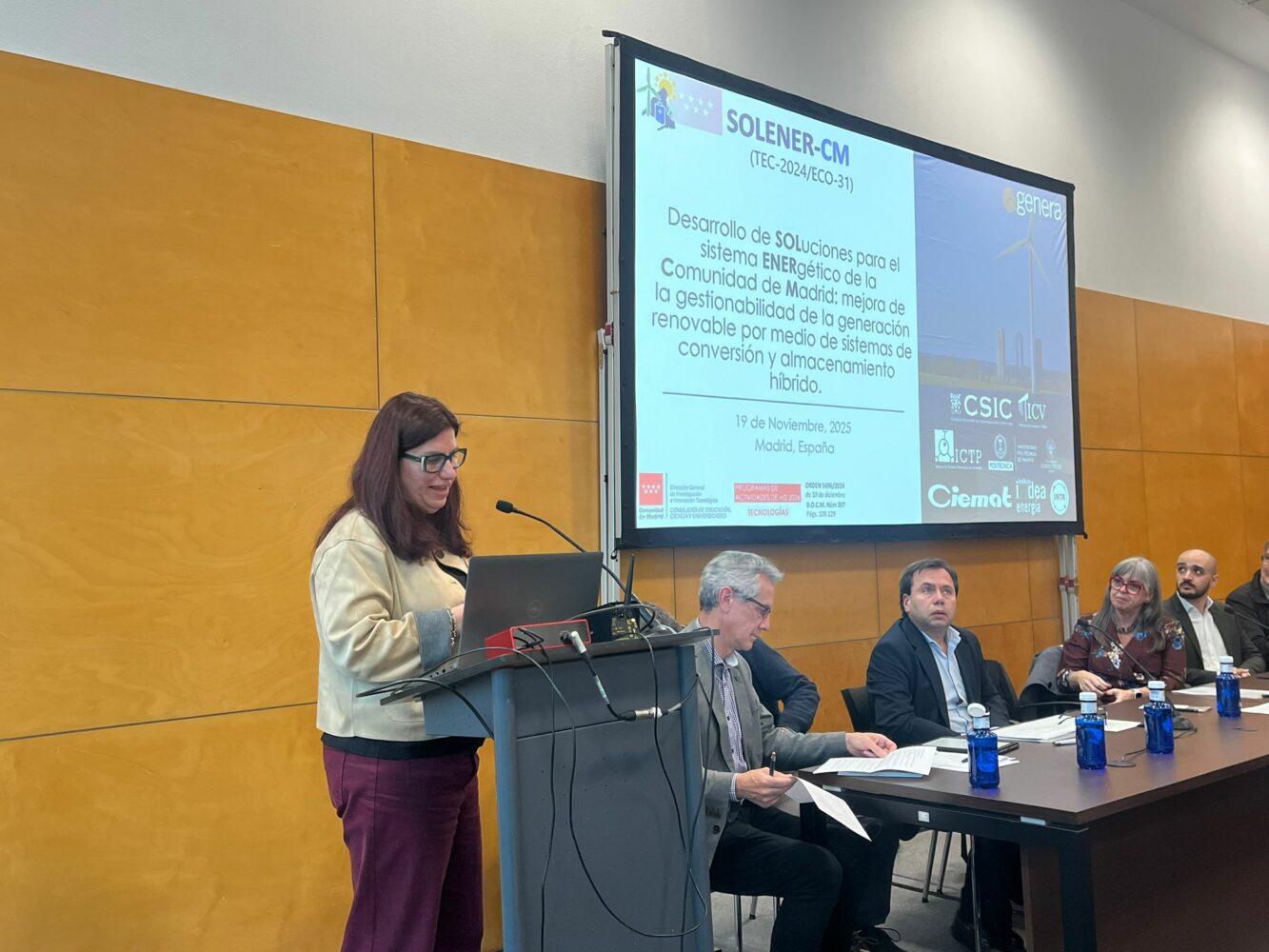
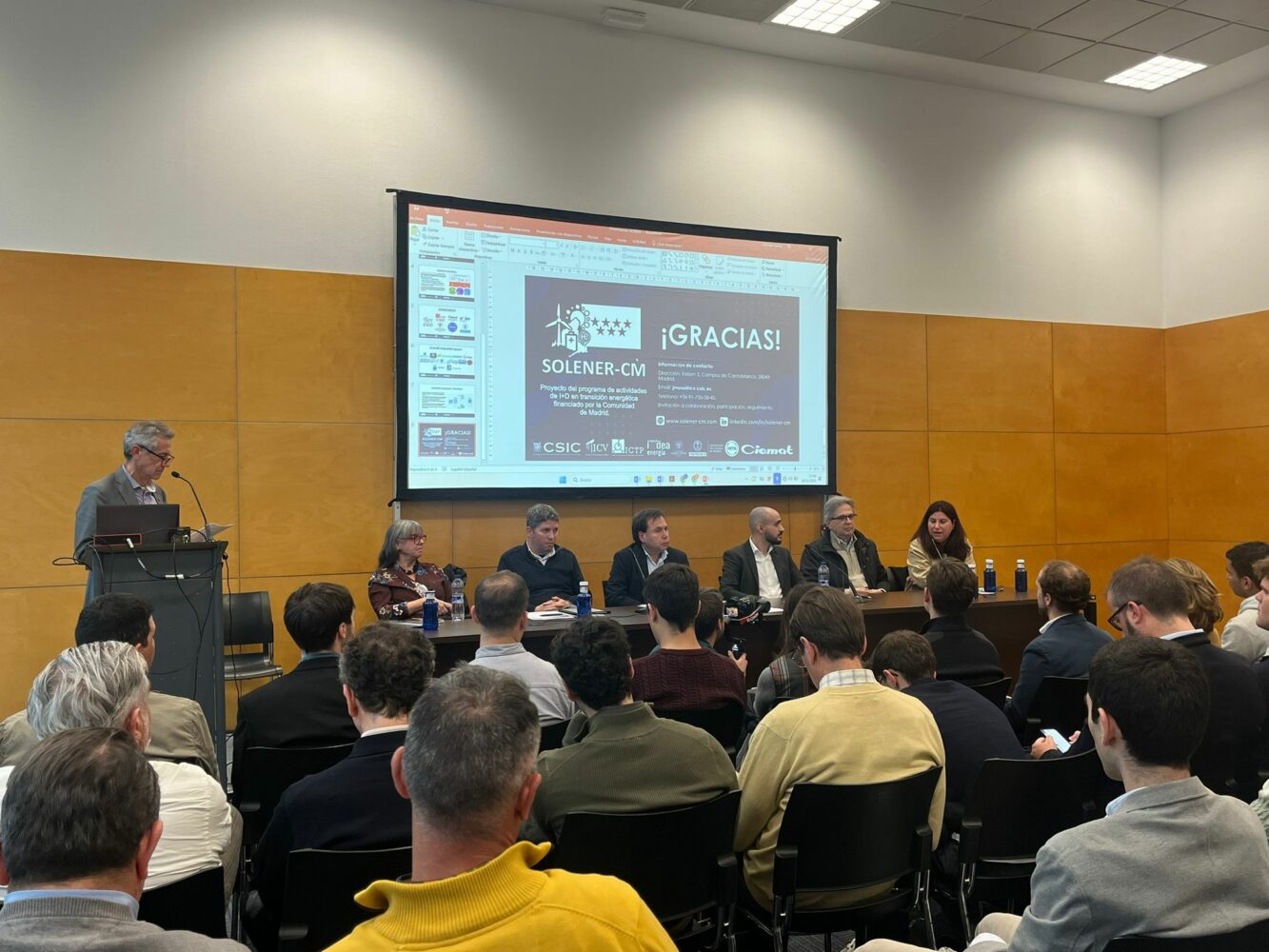
The final session, dedicated to energy storage and conversion, explored solutions combining wind–solar hybrid systems, batteries and green hydrogen. Speakers analysed the technical and economic viability of these technologies, their potential to lower energy costs and the ways in which they can increase the penetration of renewables in the energy mix. The session also examined current challenges for both research and industry, and future pathways for integrating these solutions effectively. Within this framework, the SOLENER-CM project was presented, aiming to transform the energy system of the Community of Madrid and support a shift towards a more sustainable model. Participants included Jesús Palma (IMDEA Energy), Marina Villegas and Bárbara Fernández-Revuelta (Community of Madrid), Mario Carrero (H2Greem Global Solutions), Jadra Mosa (ICV-CSIC), Enrique García-Quismondo (IMDEA Energy), Miguel Manjón (Master Battery) and Miguel Martínez (UPM).