
Science, industry and transport come together at IMDEA Energy to address the future of renewable hydrogen within the framework of the GreenH2-CM project
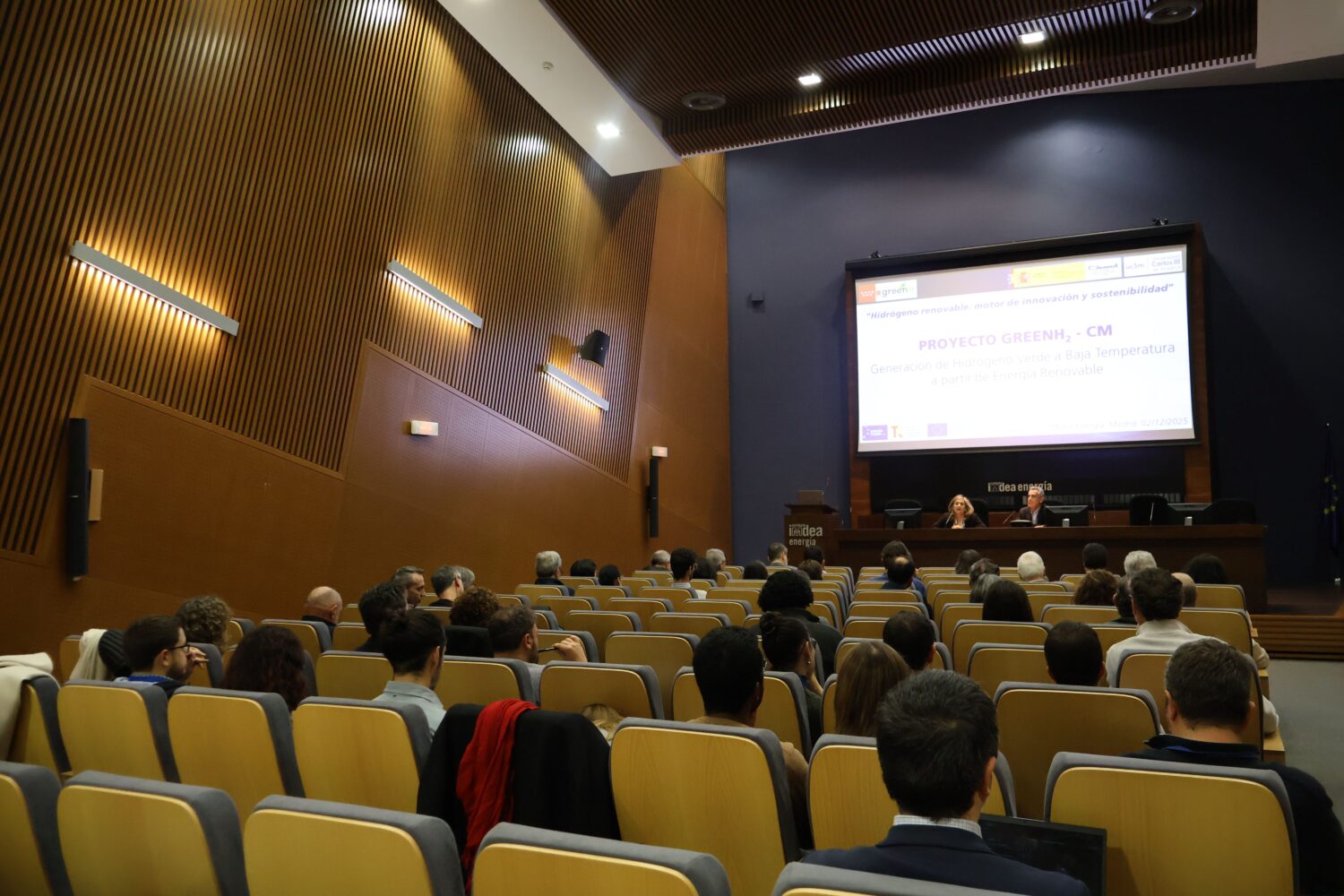
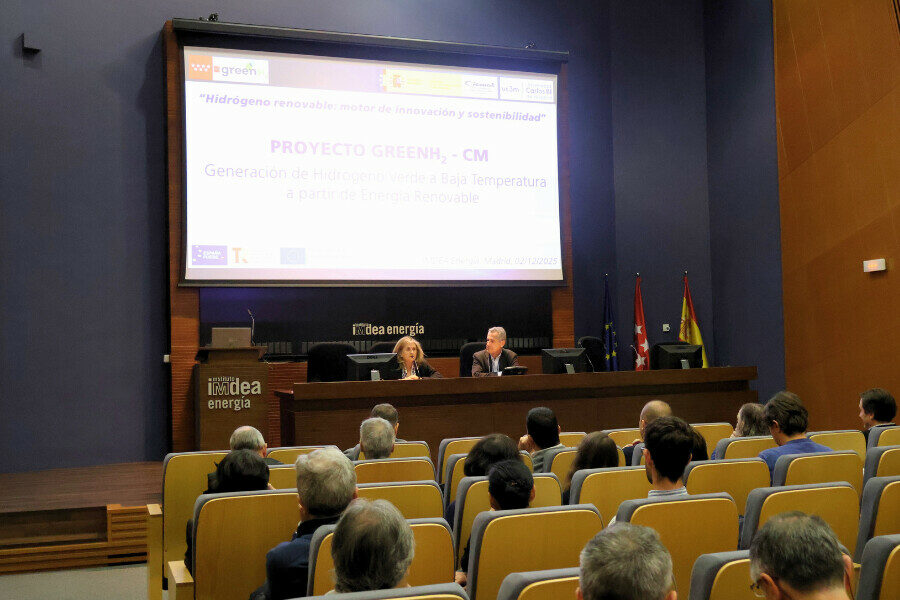
The IMDEA Energy Institute hosted a conference dedicated to renewable hydrogen, at which the latest advances in the GreenH2-CM regional project were presented. This project focuses on the development of technologies for the generation and use of green hydrogen in the Community of Madrid.
The event, conceived as a meeting point for the entire hydrogen value chain —from researchers and manufacturers to system integrators and end users in sectors such as transport and industry— brought together experts from scientific institutions, universities, engineering firms, energy companies, and industrial and logistics operators interested in the applications of this clean energy vector.
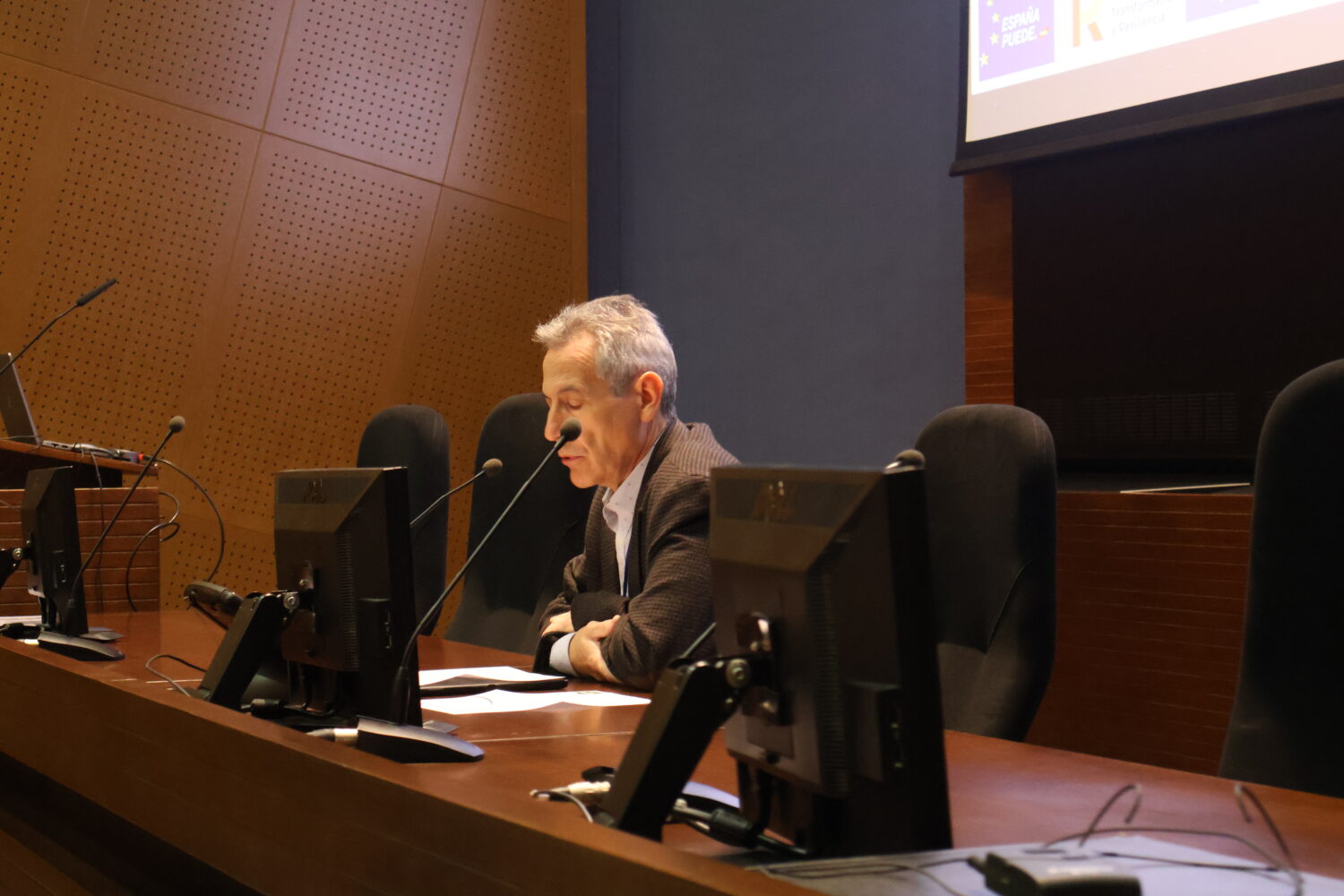
The conference began with an institutional opening by Jesús Palma (IMDEA Energy) and Mercedes Ballesteros (CIEMAT), who presented the Complementary Green Hydrogen Plan, a strategic initiative aimed at promoting the energy transition and fostering technological innovation in Spain.
Scientific advances: low- and high-temperature green hydrogen production
During the morning, the results of the project’s various lines of research were presented.
Araceli Fuerte (CIEMAT) discussed advances in the generation of low-temperature green hydrogen using renewable energy.
José González (IMDEA Energy) delved into high-temperature production, highlighting the potential of using industrial waste heat as a source of energy.
Teresa Leo (ETSIN-UPM) discussed the uses of hydrogen in heavy transport, as well as its gradual incorporation into the aviation and maritime sectors, which are key to the decarbonisation of transport.
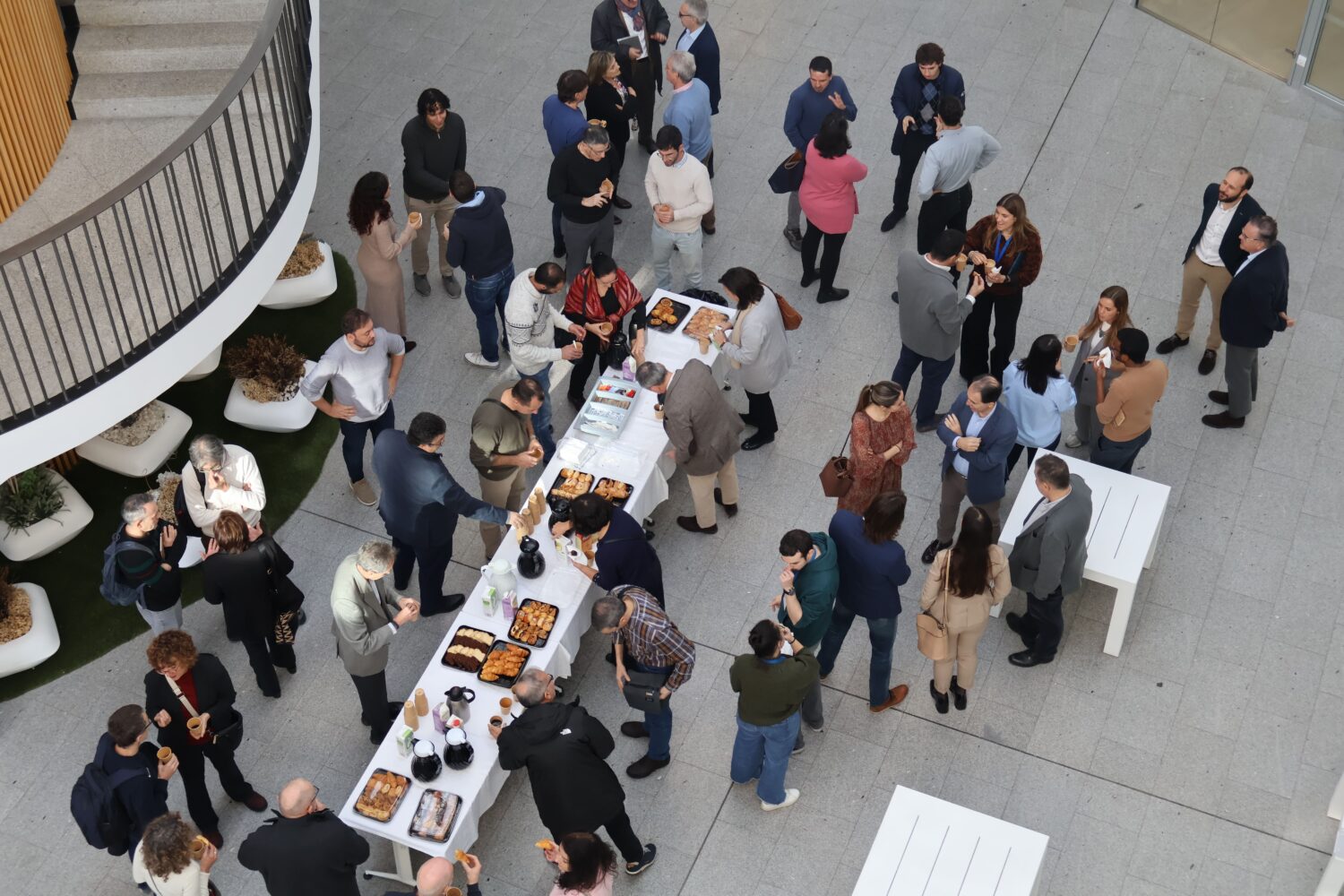
After a break for networking, the programme continued with a second round of presentations:
Raquel Gómez (INTA) detailed the possibilities of hydrogen in industrial combustion applications.
Javier Dufour (IMDEA Energy) presented the Hydrogen Master Plan for Madrid, a fundamental roadmap for consolidating the role of hydrogen in the region.
The day ended with a round table discussion entitled ‘Renewable hydrogen as a driver of innovation and sustainability in the Community of Madrid’, with the participation of representatives from organisations such as ALSA, Ariema, CNH2, Repsol and Exolum. The speakers agreed on the need to accelerate the implementation of infrastructure, support pilot projects and encourage public-private collaboration so that green hydrogen can become a competitive energy vector.
Closing ceremony and visit to the facilities
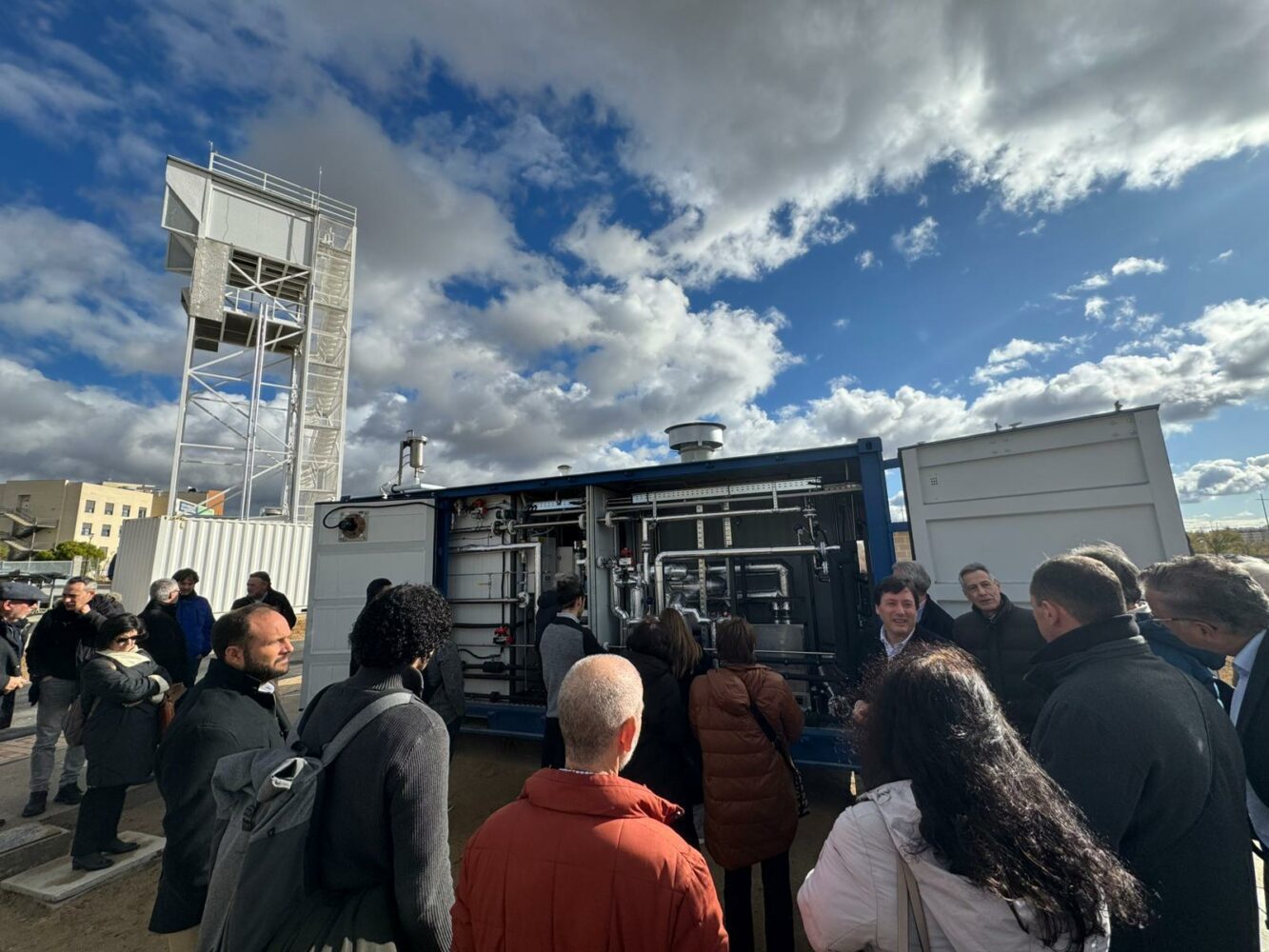
To conclude the event, attendees visited the pilot facilities used in the GreenH2-CM project at IMDEA Energy, where they were able to see first-hand the demonstration technologies developed on the new plot of land set up as an outdoor experimental area adjacent to the Institute’s solar field. The day ended with a lunch that allowed for further discussions and exploration of new opportunities for collaboration.