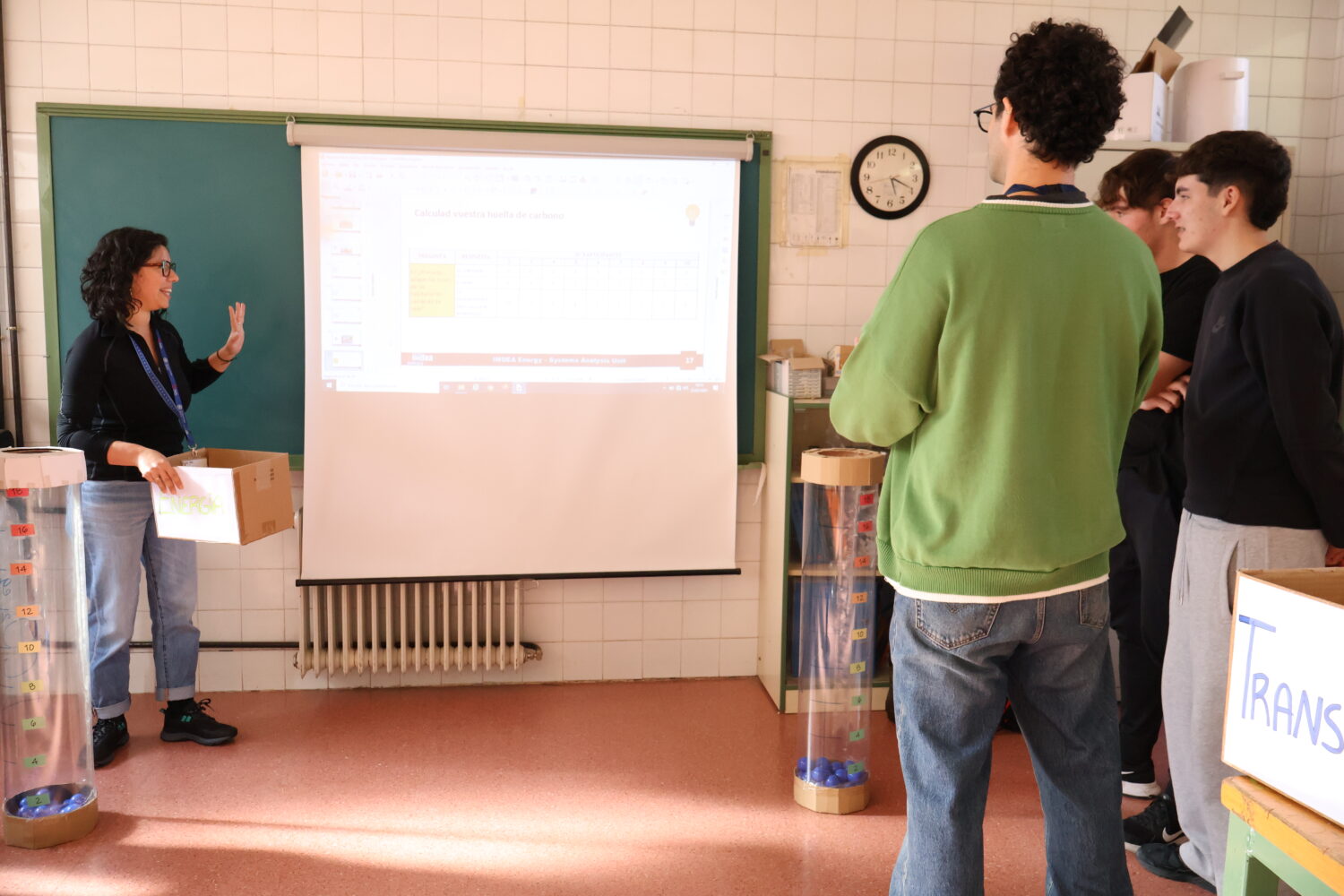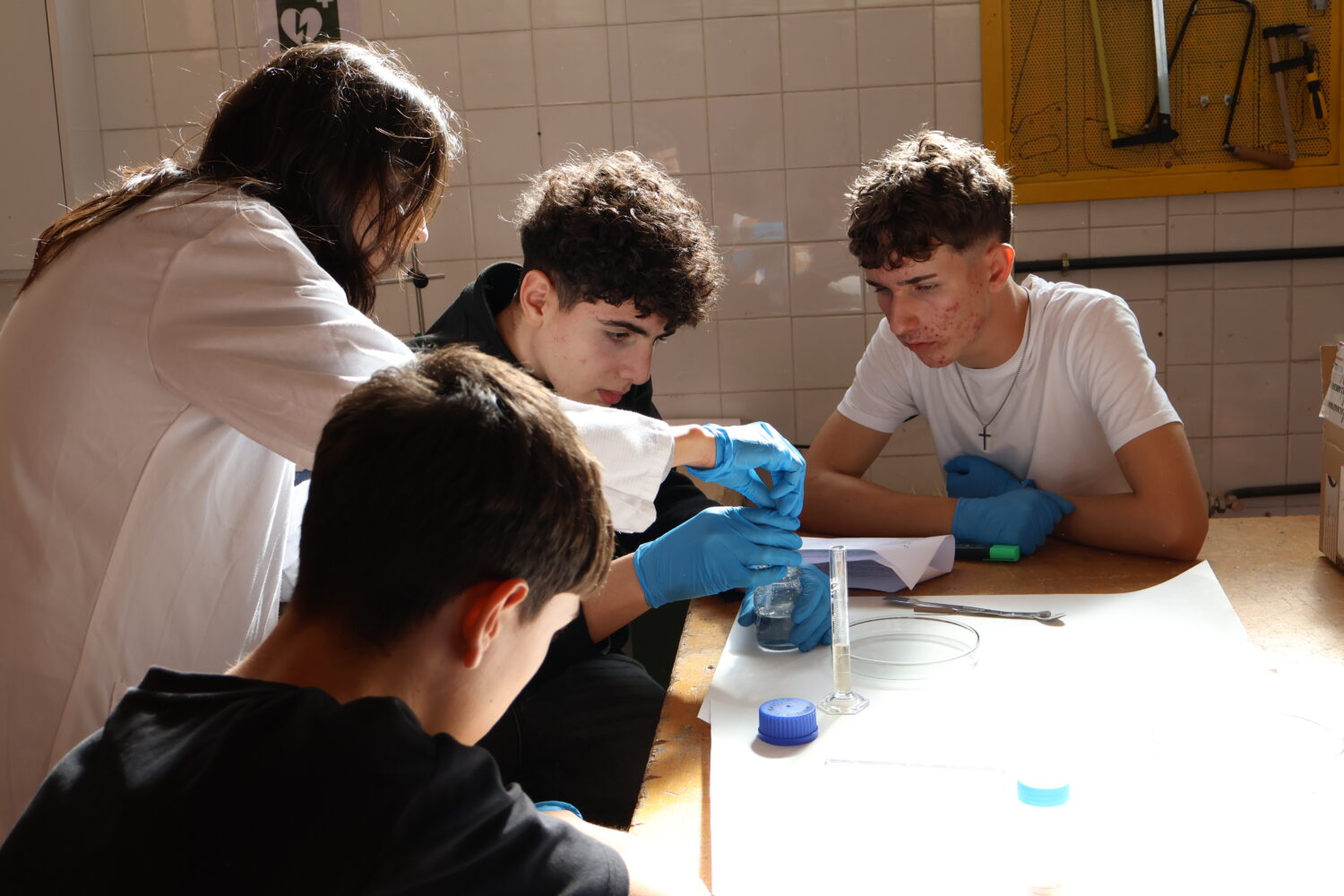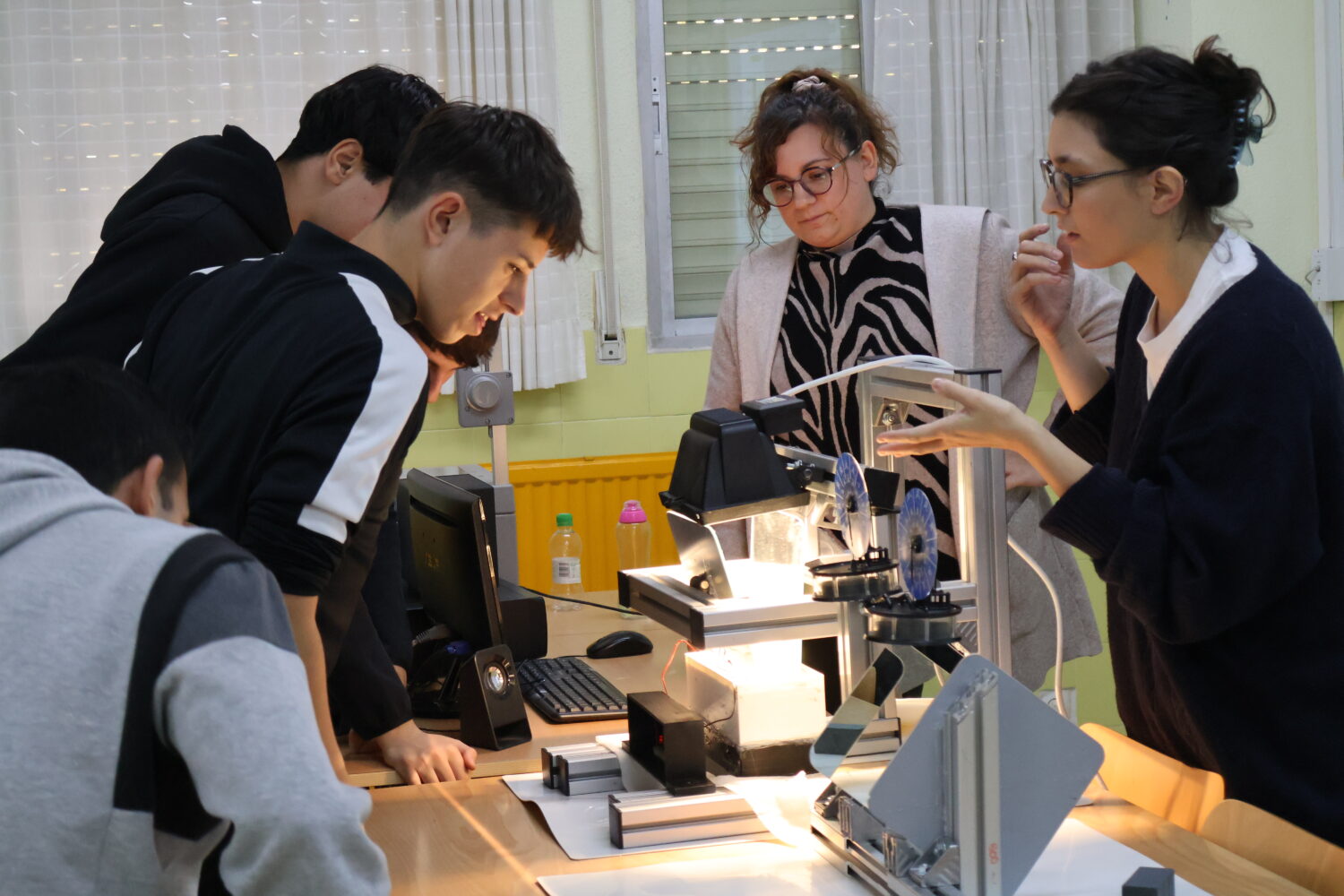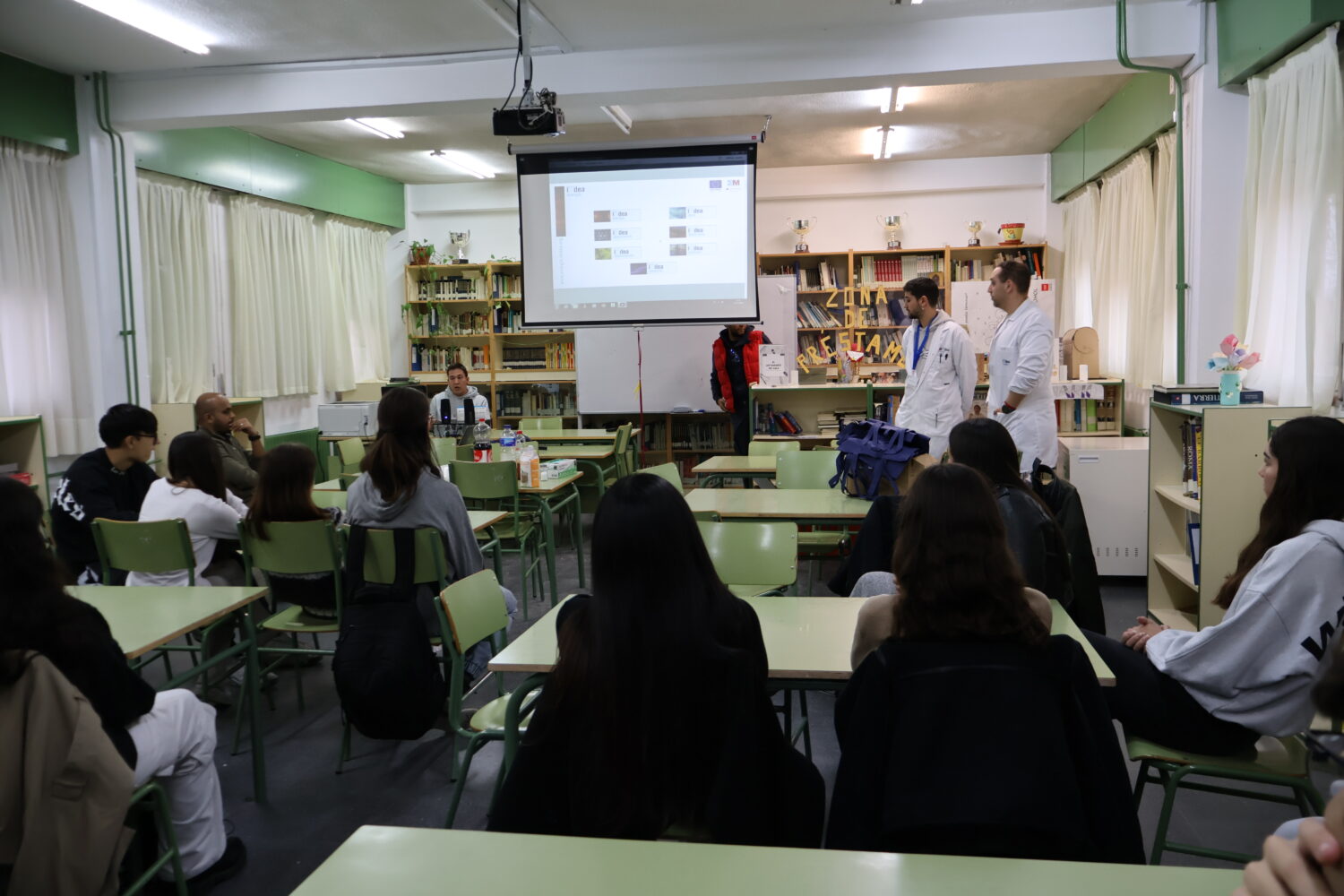
IMDEA Energy at the 14th edition of Madrid es Ciencia with science, magic and live experiments
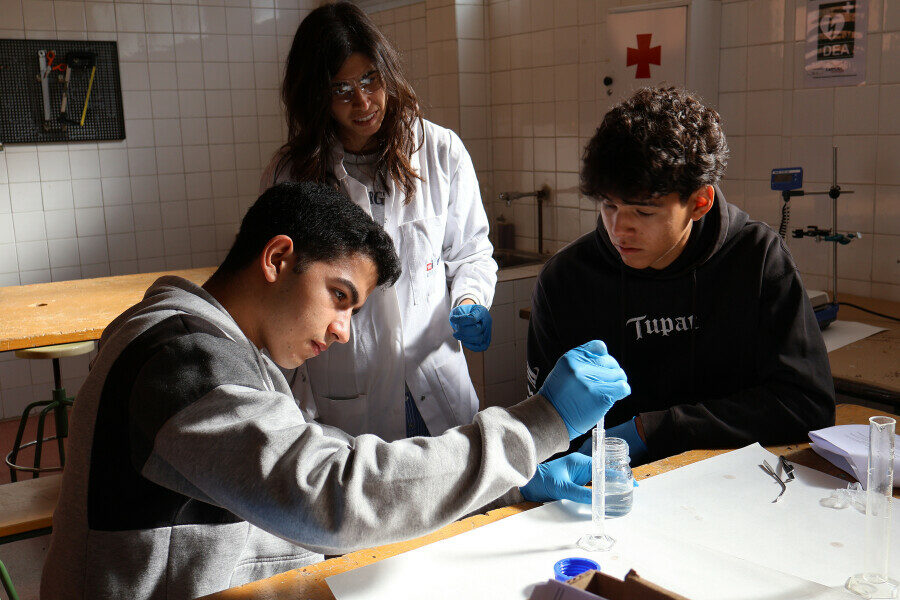
Once again, IMDEA Energy participated in the Madrid es Ciencia fair, organized by the Madrid+d Foundation at IFEMA from March 27 to 29. During the event, we received visits from the Regional Minister of Education, Science, and Universities, Emilio Viciana, and the Deputy Minister of Universities, Research, and Science, Ana Ramírez, who were able to learn about our research and science outreach initiatives up close.
On the first day, the Unit of Advanced Porous Materials impressed visitors with experiments where nanomaterials demonstrated their ability to catalyze chemical reactions. One of the most striking demonstrations was the decomposition of hydrogen peroxide with potassium iodide, a process that released oxygen in the form of foam. The audience could not only witness the reaction but also feel the hear released by this exothermic transformation.
On the same day, the Electrochemical Processes Unit made science shine with experiments where common liquids demonstrated their ability to act as electrolytes, lighting up a bulb with their iconic conductivity. Additionally, we showed how the water changes when reacting with different substances.
The second day was marked by the magic of the Photoactivated Processes Unit, which turned chemistry into alchemy, allowing visitors to discover which Hogwarts house they belonged to through pH reactions and experiments inspired by spells, such as extinguishing a candle with CO2 and raising water using pressure. Even the Regional Minister tried out and wore the Sorting Hat to discover his house.

To conclude the second day, the Electrical Systems Unit tested the public’s knowledge with a Kahoot quiz on renewable energy. Meanwhile, the High-Temperature Processes Unit melted chocolate with concentrated light, demonstrated thermal energy conversion with Stirling engine, and transported attendees to IMDEA Energy solar field through virtual reality.
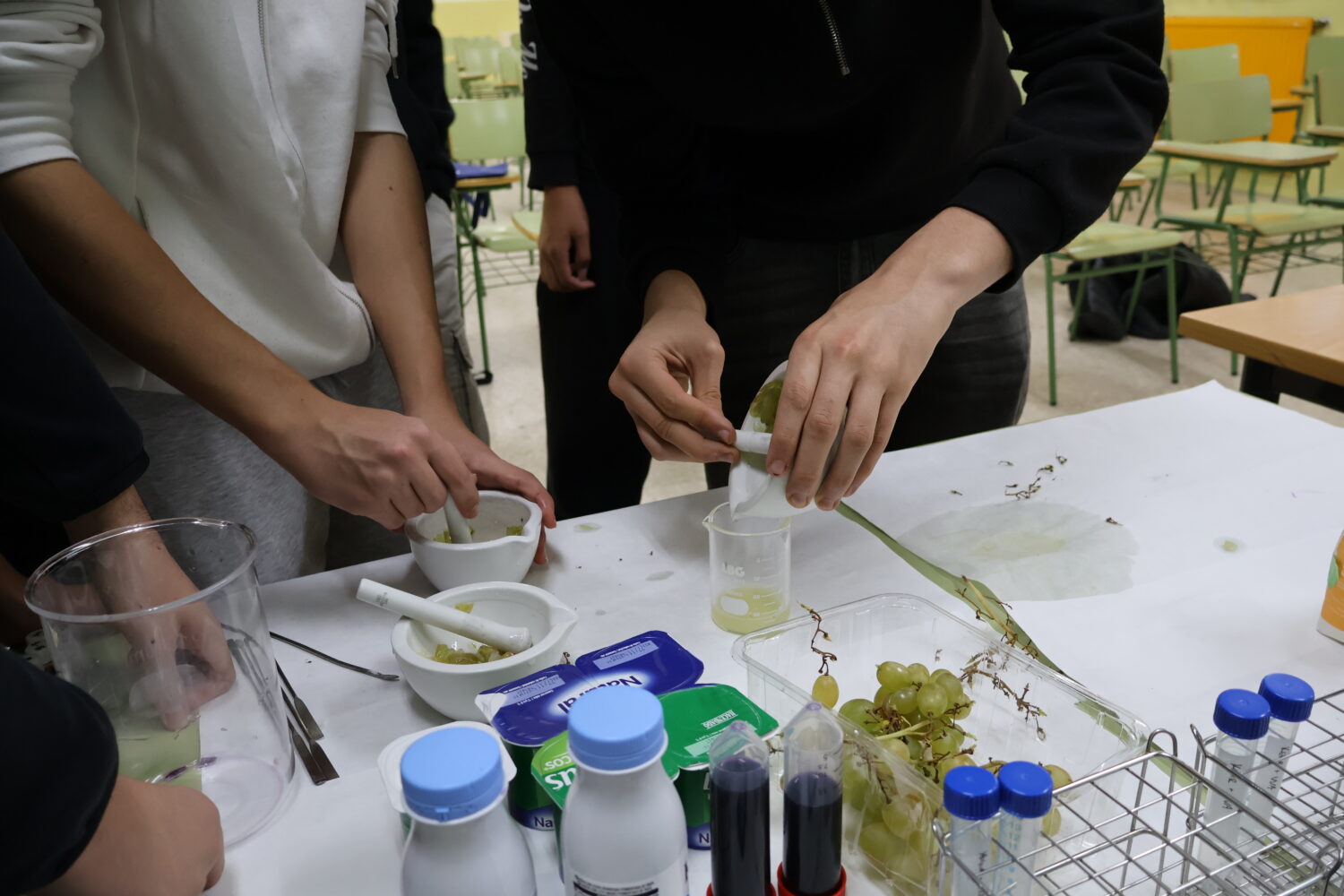
On the last day of the fair, the Thermochemical Processes Unit showcased the potential of certain materials in water purification and waste valorization. Also present was the Biotechnological Processes Unit, which invited attendees to extract DNA with their own hands and experiment with balloons inflated through fermentation processes.
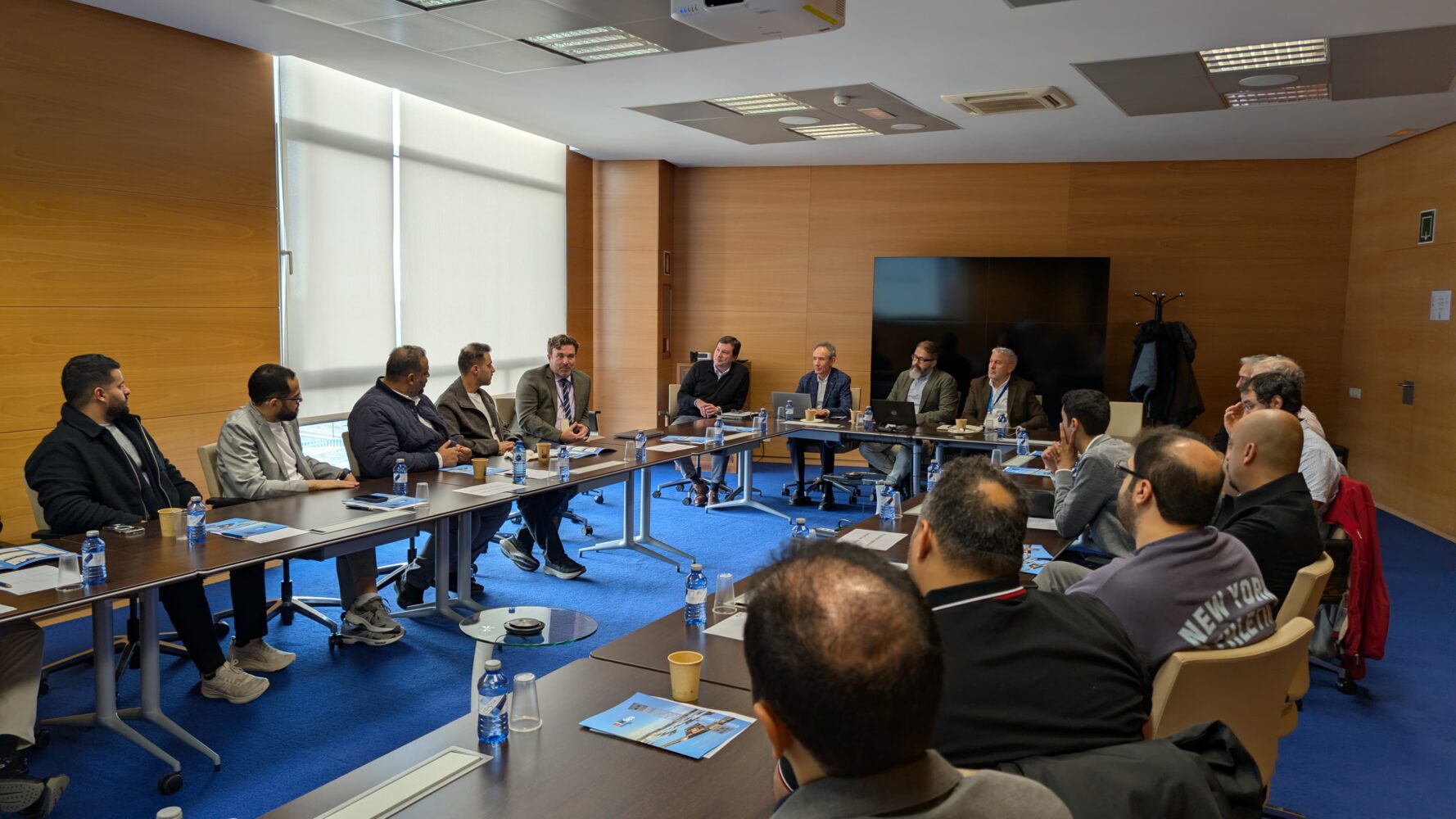
With this edition, IMDEA Energy once again reaffirms its commitment to science outreach, providing that research is not only essential for the future, but also can but fun and accessible to all. See you at the next edition of Madrid es Ciencia.

Antibiotics Are Reaching Our Faucets: Can We Stop It?
Many people are unaware that the water they consume may contain antibiotics, which can contribute to the development of resistance in infection treatments. These drugs are now found in various bodies of water due to their indiscriminate and irresponsible use.
Studies have detected their presence in concentrations ranging from 100 to 50 nanograms (billionths of a gram) per litre. These substances enter aquatic environments primarily through human and animal excretion after medication intake or via the uncontrolled disposal of pharmaceuticals in drains and industrial waste.
Among the most commonly detected antibiotics are fluoroquinolones (ciprofloxacin, norfloxacin), beta-lactams (amoxicillin, penicillins), macrolides (erythromycin, clarithromycin), tetracyclines (doxycycline, oxytetracycline), and sulphonamides (sulfamethoxazole, sulfamethazine), all widely used in human and veterinary medicine.
A growing problem
Faced with this reality, rivers and lakes are becoming breeding grounds for the development of super-resistant bacteria, which emerge through random genetic mutations.
Superbugs pose a major threat to human and animal health, making common diseases such as pneumonia or urinary infections harder to treat. Patients are often forced to take more aggressive drugs with numerous side effects, including gastrointestinal and neurological disturbances, liver and kidney damage, and haematological and immune system complications.
Recent estimates suggest that drug-resistant bacterial infections were responsible for approximately 1.27 million deaths in 2019. Furthermore, by 2050, these infections could cause nearly 5 million deaths annually and lead to trillions in economic losses, affecting GDP and primary healthcare costs.
In Tap Water
Currently, conventional water treatment plants play a crucial role in preventing antibiotics from reaching our taps. However, they lack the necessary technology to completely remove these contaminants. Therefore, developing advanced removal technologies is essential.
Most water treatment plants are not equipped to filter out microcontaminants like antibiotics. Wikimedia Commons., CC BY
To address this challenge, researchers at the IMDEA Energy Institute, in collaboration with the University of Granada, have developed a new family of catalysts (called IEF-22, short for IMDEA Energy Frameworks) capable of breaking down antibiotics in water using sunlight.
These materials are based on coordination polymers or metal-organic frameworks (MOFs), a type of crystalline solid that combines sustainable metals (such as iron, nickel, calcium, or magnesium) with an organic phosphonate ligand.
Specifically, iron- and nickel-based materials have shown outstanding properties. They are highly stable in wastewater and extreme pH conditions, and they can absorb light in the visible spectrum, making them potential photocatalysts for breaking down contaminants in water under visible light.
What Do the Results Show?
Our experiments have demonstrated that the iron-based photocatalyst – IEF-22(Fe) – can eliminate sulfamethazine (a widely used antibiotic in the livestock industry) from real wastewater in just three hours of visible light irradiation.
Moreover, it maintains its photocatalytic performance over 16 reuse cycles, proving to be highly robust and stable. This makes it a promising solution for treating water contaminated with pharmaceuticals.
This study represents a significant breakthrough in the search for sustainable water decontamination solutions, providing an effective strategy for eliminating persistent pharmaceuticals that contribute to bacterial resistance.
IMDEA Energy presents its technological innovations at the Transfiere Forum
The technological innovations resulting from IMDEA Energía’s research work were presented at the Transfiere 2025 Forum held in Malaga from 12 to 14 March.
The Institute participated, together with other actors of the Madrid innovation ecosystem, in the pavilion of the Community of Madrid and the Madri+d Foundation for Knowledge, where it was visited by the Director General for Research and Innovation accompanied by part of her team, as well as in the pavilion of the State Research Agency, AEI, together with the rest of the centres of the SOMMa Alliance that hold the Severo Ochoa or María de Maeztu accreditations of excellence.
Felix Marin, Head of Technology Transfer at IMDEA Energy, attended the Forum, experts from entities of various sectors and sizes, from small technology-based companies to large corporations, who had the opportunity to learn about the new technologies developed and hold meetings to discuss the possibilities of transferring those that aroused their interest to bring to market and expand the field of activity of their companies or improve their processes.
The Forum also enabled the sharing of new developments, synergies and challenges with the technology platforms and other associations of which Institute IMDEA Energy is a member, as well as with the universities and companies in the collaboration network and other actors linked to technology transfer such as investors, patent agents and consultants. The meeting favours the exchange of knowledge between science and innovation as it brings together more than 400 experts and 600 companies.
Students from the EOI visit IMDEA Energy to learn about advances in hydrogen and renewable fuels
Students of the Master in Renewable Energy and Energy Market (MERME) of the School of Industrial Organization visited IMDEA Energía’s facilities on March 13th, 2025. During the visit Manuel Romero, researcher at the High Temperature Processes Unit, had the opportunity to present them the R&D facilities of the Instute and research lines on the production of hydrogen and sustainable fuels. In particular, details were provided about the PROMETEO project on hydrogen production with SOE technology integrating solar steam, funded by the FCH2 JU of the European Union and Sun to Liquid II project on the production of liquid aviation fuels with concentrated solar energy, funded by the Horizon Europe program.
IMDEA Energía presenta sus novedades tecnológicas en el Foro Transfiere
Las novedades tecnológicas fruto del trabajo de investigación de IMDEA Energía han sido presentadas en el Foro Transfiere 2025 celebrado en Málaga del 12 al 14 de marzo.
El Instituto ha participado, junto con otros actores del ecosistema madrileño de innovación, en el pabellón de la Comunidad de Madrid y la Fundación para el Conocimiento Madri+d donde recibió la visita de la Directora General de Investigación e Innovación acompañada de parte de su equipo, así como, en el pabellón de la Agencia Estatal de Investigación, AEI, junto con el resto de los centros de la Alianza SOMMa que ostentan las acreditaciónes de excelencia Severo Ochoa o María de Maeztu.
Felix Marin, Responsable de Transferencia de Tecnología de IMDEA Energía, ha atendido a los asistentes al Foro, expertos procedentes de entidades de diversos sectores y tamaños, desde pequeñas empresas de base tecnológica hasta grandes corporaciones, quienes tuvieron la oportunidad de conocer las nuevas tecnologías desarrolladas y mantener reuniones en las que profundizar sobre las posibilidades de transferencia de aquellas que suscitaron su interés para llevar a mercado y ampliar el campo de actividad de sus empresas o mejorar sus procesos.
El Foro también permitió compartir novedades, sinergias y retos con las plataformas tecnológicas y otras asociaciones de las que el Instituto IMDEA Energía forma parte, así como, con las universidades y empresas de la red de colaboración y otros actores vinculados a la transferencia de tecnología como inversores, agentes de patentes o consultores. El encuentro favorece el intercambio de conocimiento entre ciencia e innovación pues congrega a más de 400 expertos y 600 empresas.
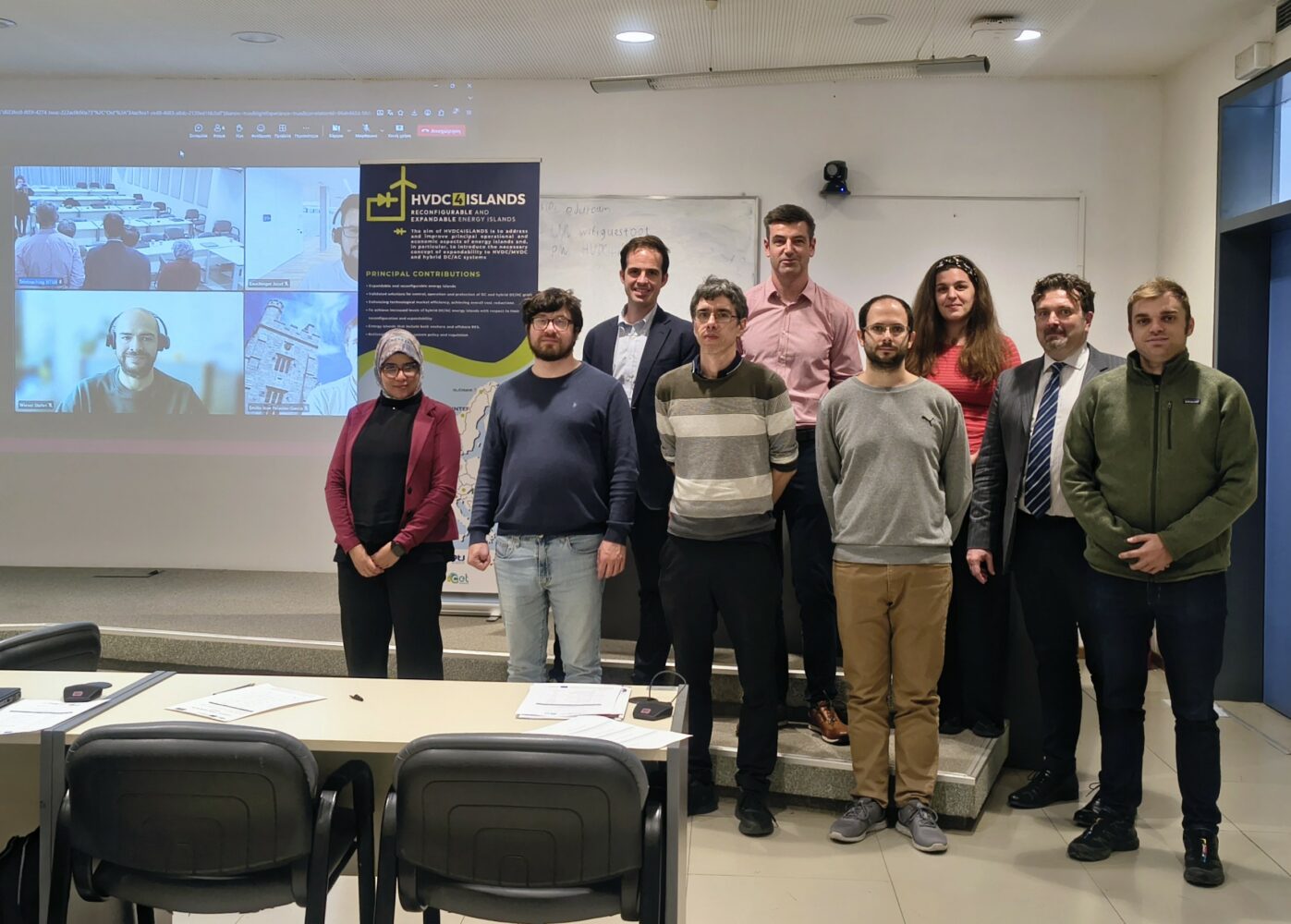
HVDC4ISLANDS: Innovative Technologies to Enhance Sustainability and Renewable Integration in Energy Islands
IMDEA Energy is coordinating the research project “HVDC4ISLANDS,” that aims to address key technological challenges in the future electrical grids: developing high-voltage direct current (HVDC) and hybrid alternating current / direct current (AC/DC) technologies to integrate offshore wind energy and other forms of renewable energy.
In this context, HVDC4ISLANDS will develop control and management systems for “energy islands,” renewable energy hubs designed to accelerate the transition to clean energy. The project aims to identify tools for advanced operation, reconfiguration, and scalability of these systems while ensuring their stability, protection, and interoperability.
The solutions developed in the project will inherently lead to reduced maintenance and operational costs, improved system monitoring and diagnostics, and a lower environmental impact from transmission networks.
Among the expected outcomes are validated solutions for the control, operation, and protection of DC and hybrid networks, the promotion of European leadership in technologies and solutions related to their operation and control and enabling the concept of energy islands both onshore and offshore. These islands are intended to optimize the integration of renewable energy sources into a multi-vector energy system.
The transnational collaboration in HVDC4ISLANDS will help develop case studies for potential future energy island projects in the North Sea, the North Atlantic, and the Baltic Sea. The unlocked potential of HVDC4ISLANDS will accelerate the deployment of renewable energies on land and at sea, providing new and flexible options for grid interconnection and alternative market routes through energy storage, energy conversion and new energy services.
The project “HVDC4ISLANDS – HVDC and Hybrid DC/AC Technologies for Reconfigurable Energy Islands” (CETP-2023-00045) began in December 2024 and will last for 36 months. Its funding comes from the European CETPartnership (Clean Energy Transition Partnership) 2023 Joint Call and involves renewable energy companies and leading European research institutions. Participants include IMDEA Energy (Spain), RWTH Aachen (Germany), the ICCS Institute of the National Technical University of Athens (Greece), the Austrian Institute of Technology AIT and Fronius (Austria), the MaREI institute of University College Cork (Ireland), and SUBSEA7, HYSTAR, and SINTEF Energy (Norway).
Huawei and IMDEA Energy explore new avenues of collaboration in energy innovation
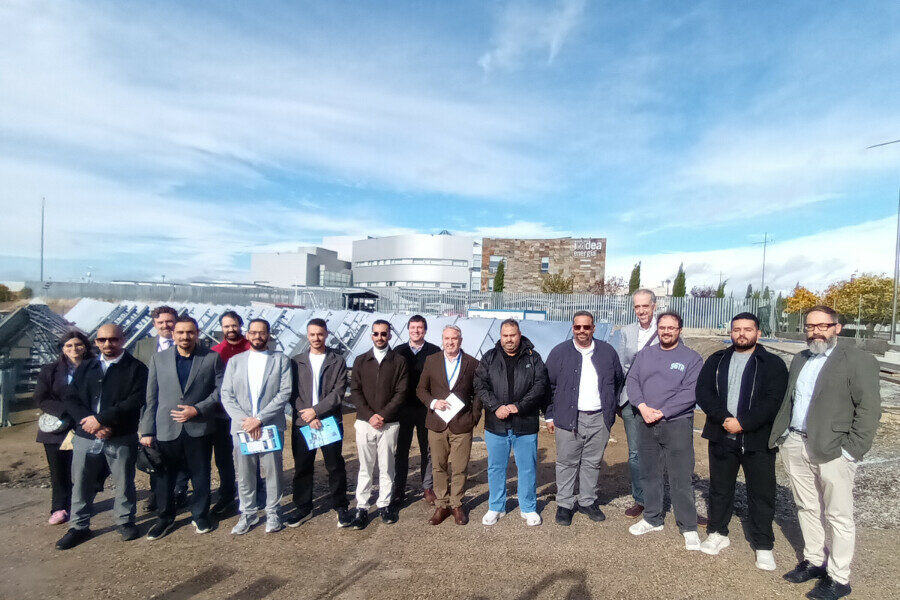
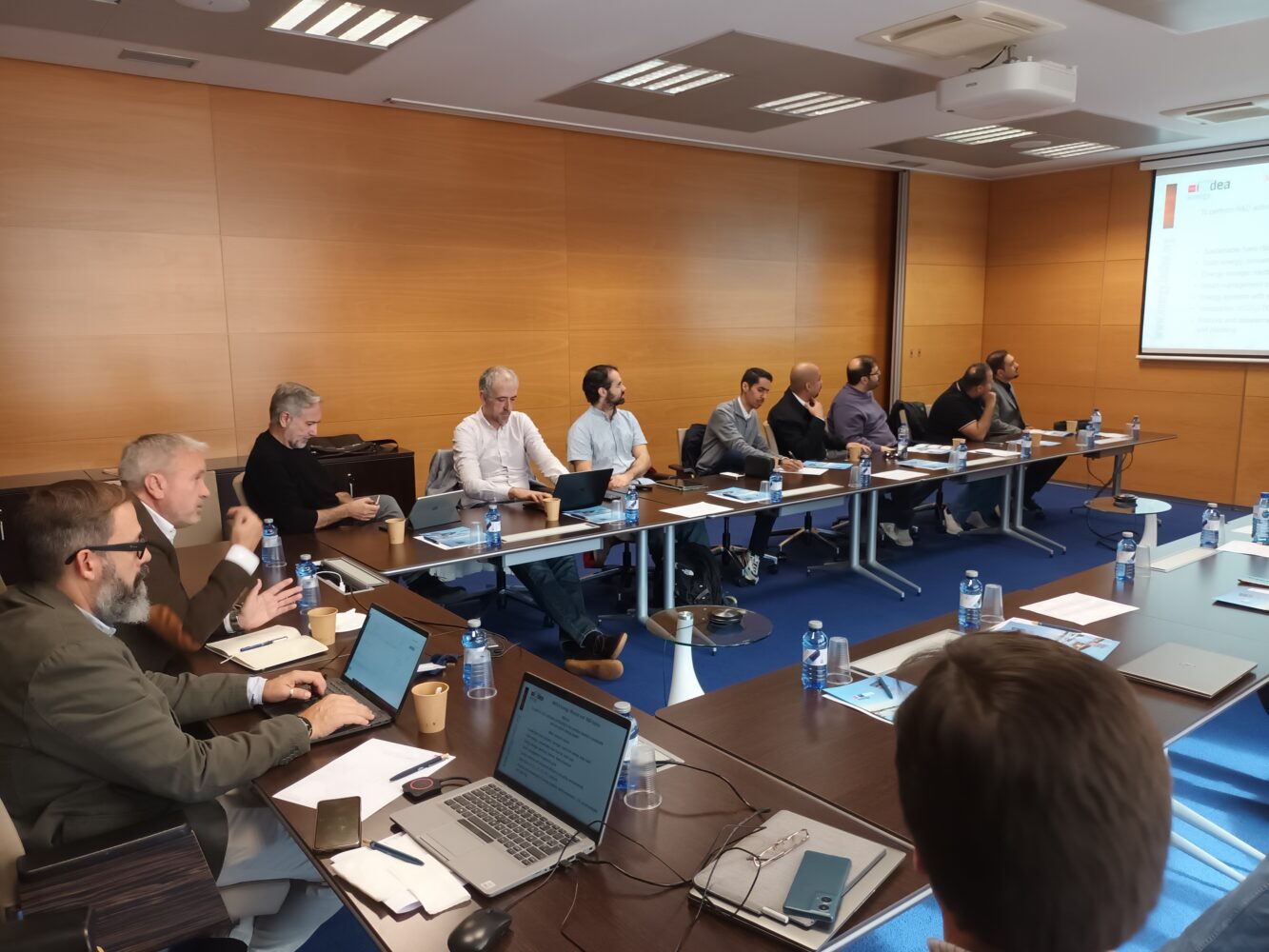
This week a team of technicians and managers of the company Huawei from its headquarters in China and its research centre in Nuremberg (Germany) visited IMDEA Energy with the aim of specifying opportunities for collaboration in various topics of common interest such as the control of electricity grids, the integration of renewable sources and batteries, electrochemical storage devices (batteries and supercapacitors) and accelerated testing techniques for their quality.
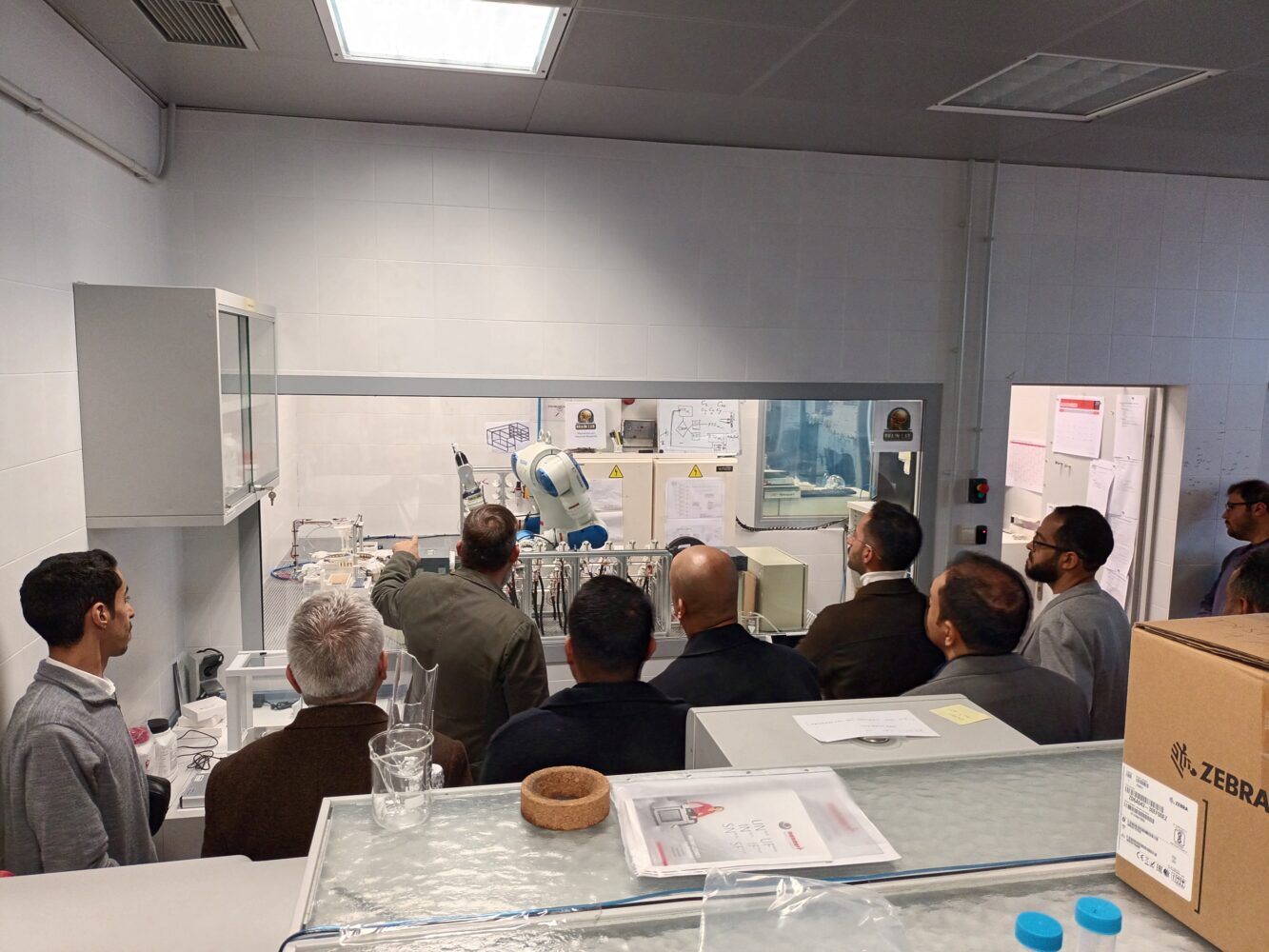
The attendees visited IMDEA Energy facilities such as the heliostat solar field, the electrochemical devices test plant and the smart energy integration plant, where they attended a demonstration, were interested in the capabilities of the equipment and identified opportunities for further collaboration in R&D projects.
IMDEA Energy celebrates ‘Science and energy with a woman’s name’ to highlight the role of women in the sector
On 5 March at IMDEA Energía we held the event ‘Science and energy with a woman’s name’, an opportunity to reflect and raise awareness about equality in the world of research, academia and industry in the energy sector, as part of the commemoration of the upcoming Women’s Day.
Capitolina Díaz, Lola Storch and Dolores Lucena will be speaking at the event.
Díaz, Professor of Sociology at the University of Valencia and former President of AMIT-Madrid: Association of Women Researchers and Technologists, addressed unconscious gender biases in research and evaluation, analysing practical cases and presenting some possible strategies and steps to counteract them.
The Head of Innovation at Enagás and Professor at ETSIME-UPM, Lola Storch de Gracia, explained several studies related to knowledge and interest in STEM careers from childhood to university, highlighting examples carried out by the Research Group on Sustainable Organisations ETSII-UPM on the current diversity and absence of women in the technology sector. In addition, other issues such as the gender gap or leadership in the labour markets were reviewed.
For her part, Lola Lucena Ferrero, a specialist in asset management in energy distribution and consultancy companies, stressed the global difficulties faced by women and girls when it comes to accessing energy and how they are more vulnerable to energy poverty and climate change.
Thanks to the speakers and participants for their time, knowledge and commitment in this initiative, which has allowed us to deepen our understanding of the challenges and progress towards equality in the field of science and energy and to promote spaces for debate that drive change.
PRUEBA
HOLA
ÚLTIMAS ENTRADAS
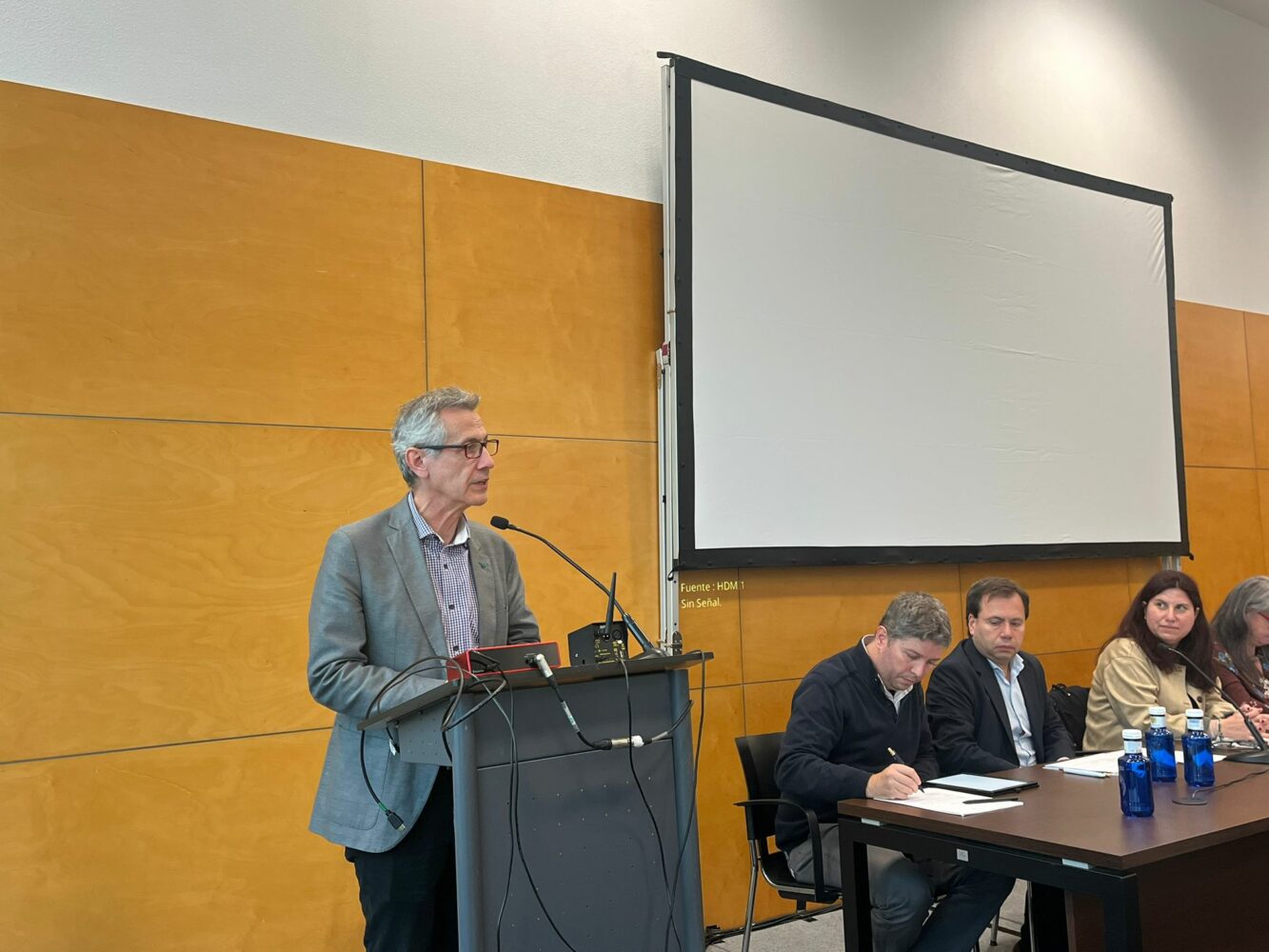
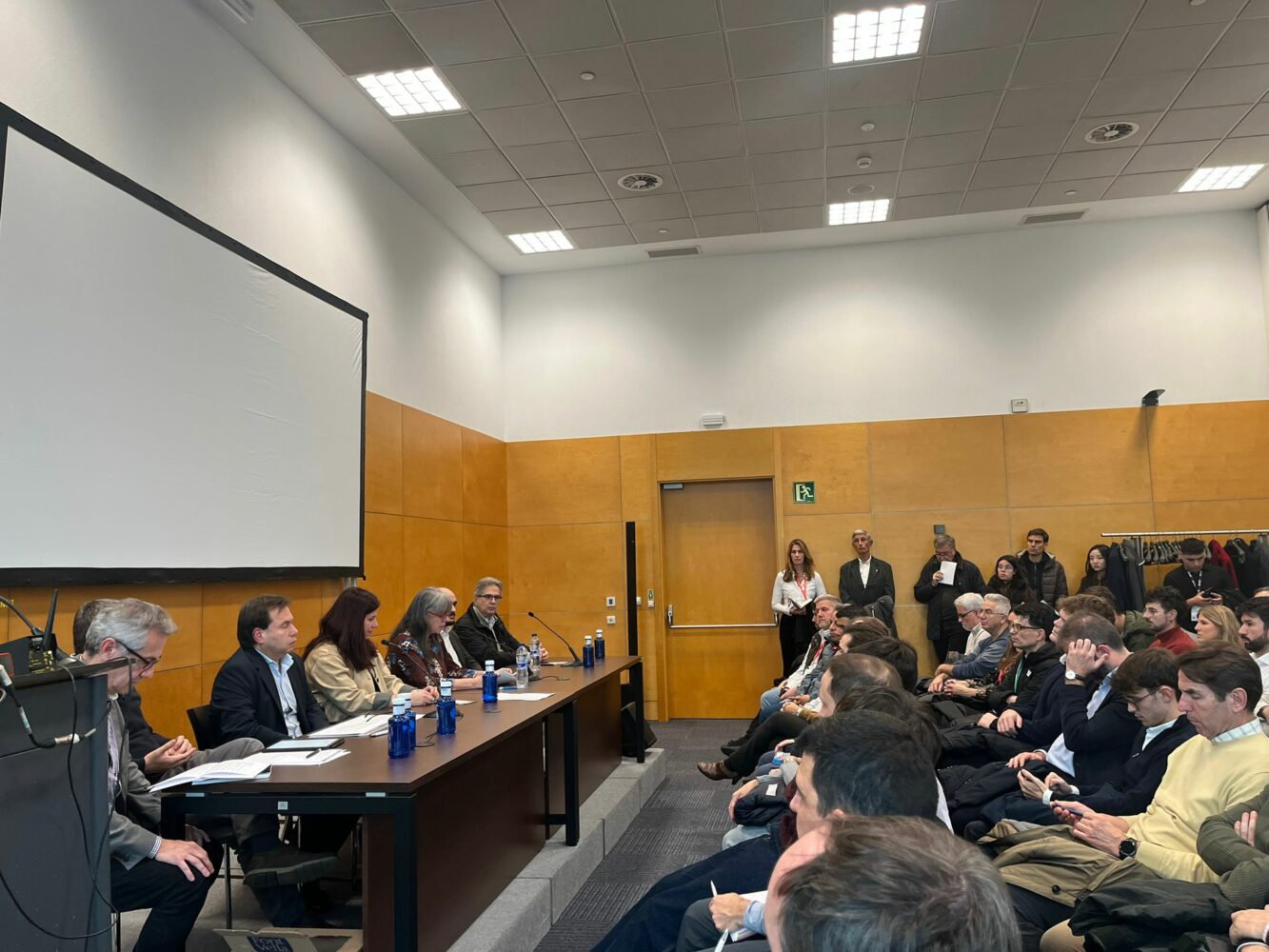
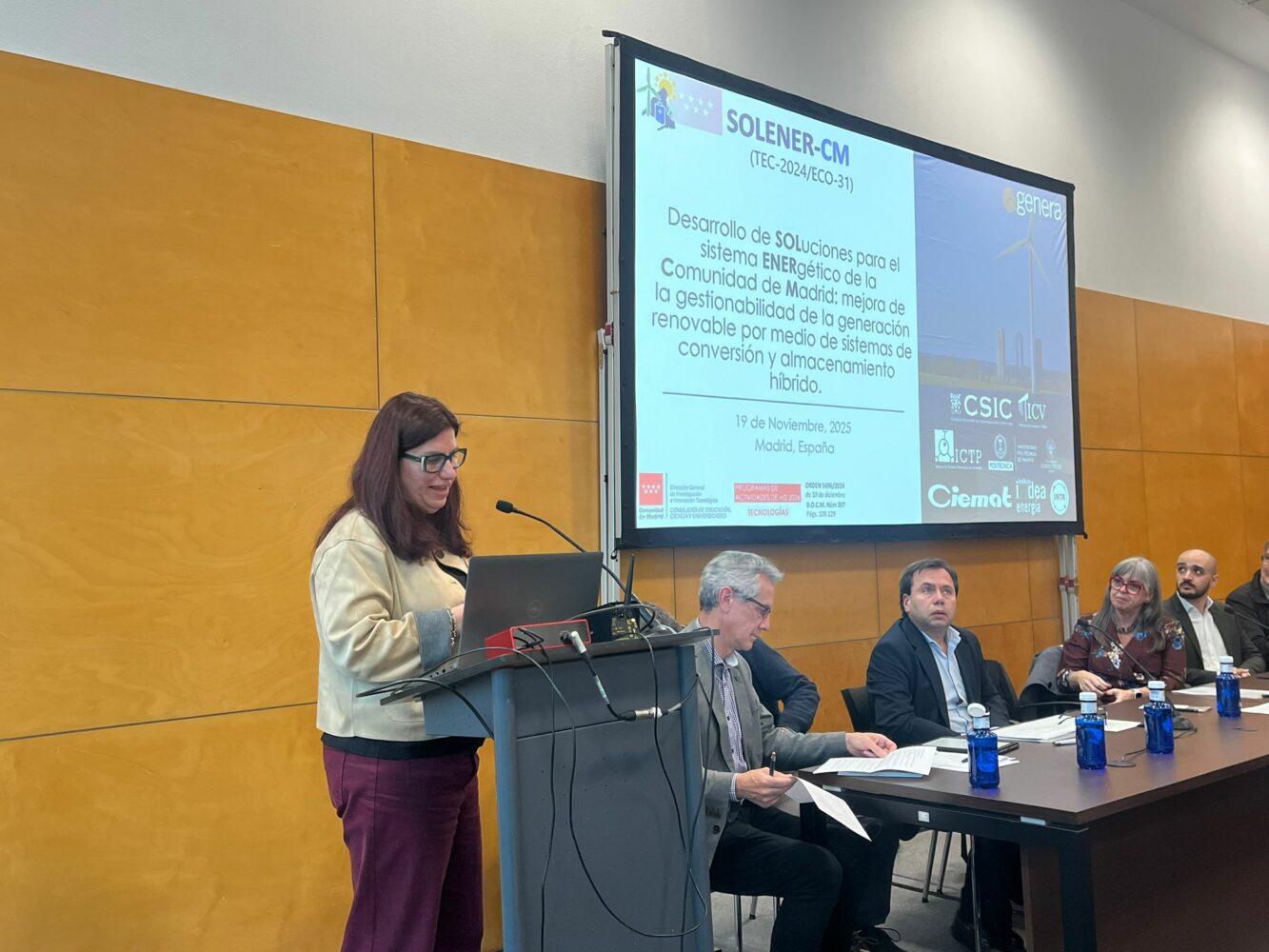
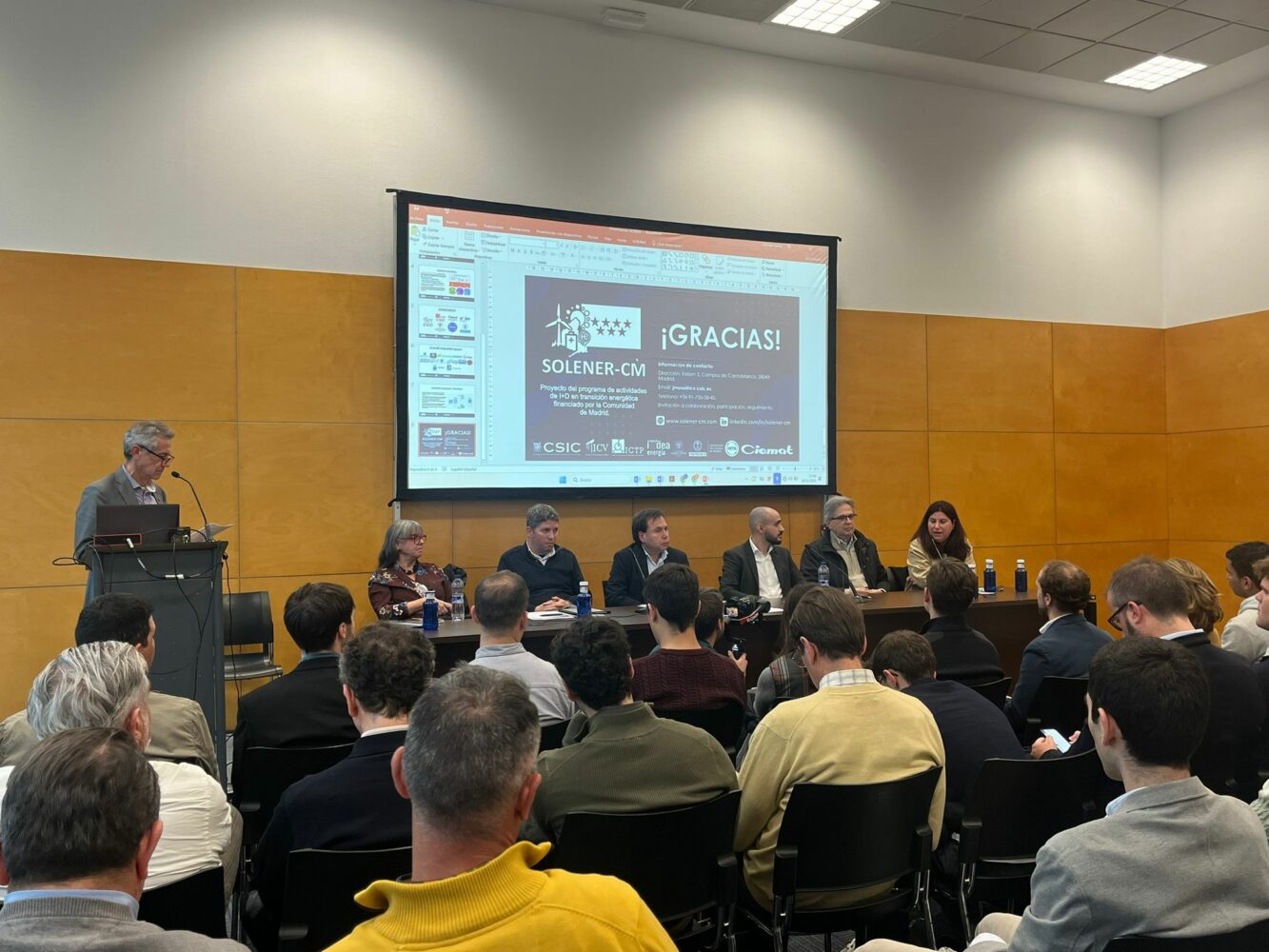
- IMDEA Energy brings together the SOLENER CM project consortium to analyse upcoming milestones in the solar-wind sector
- The PREDFLEX-CM project holds its first-year review meeting at IMDEA Energy
- IMDEA Energy holds the 14th young researchers workshop
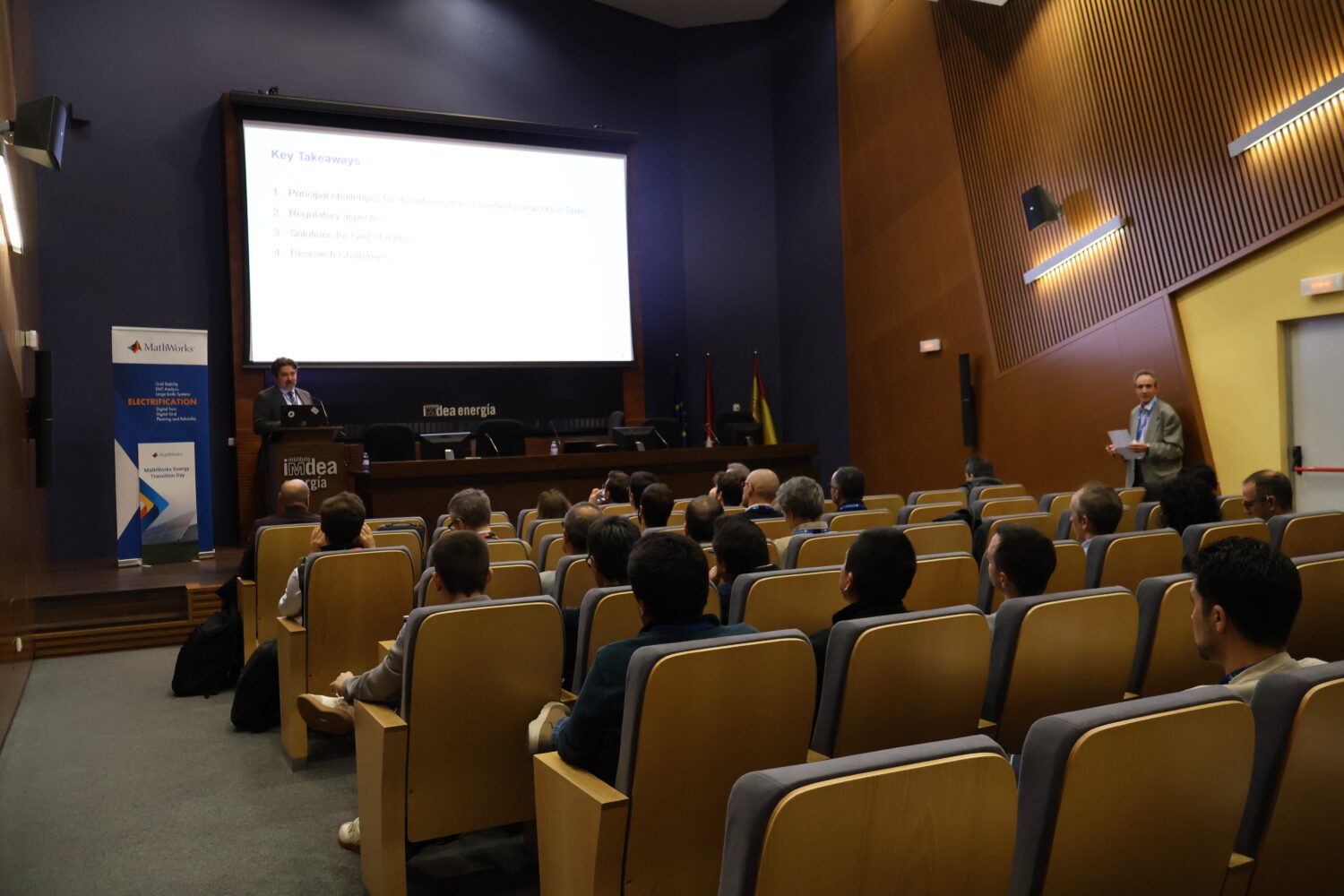
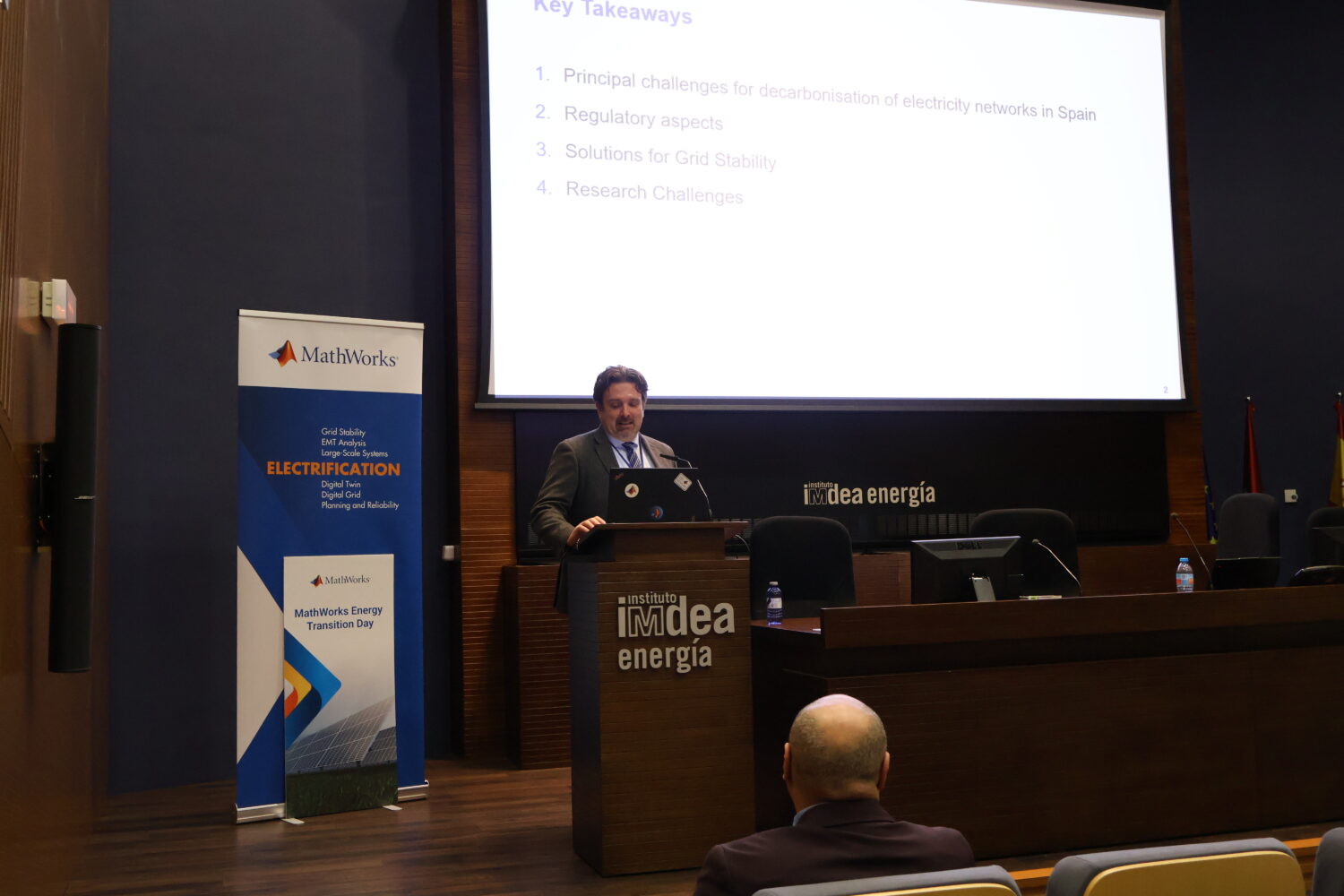
- IMDEA Energy and MathWorks bring together experts to tackle the challenges of modeling and simulation in complex energy projects
- IMDEA Energy Plays a Key Role in the First International Conference Promoting Women’s Research in MOFs