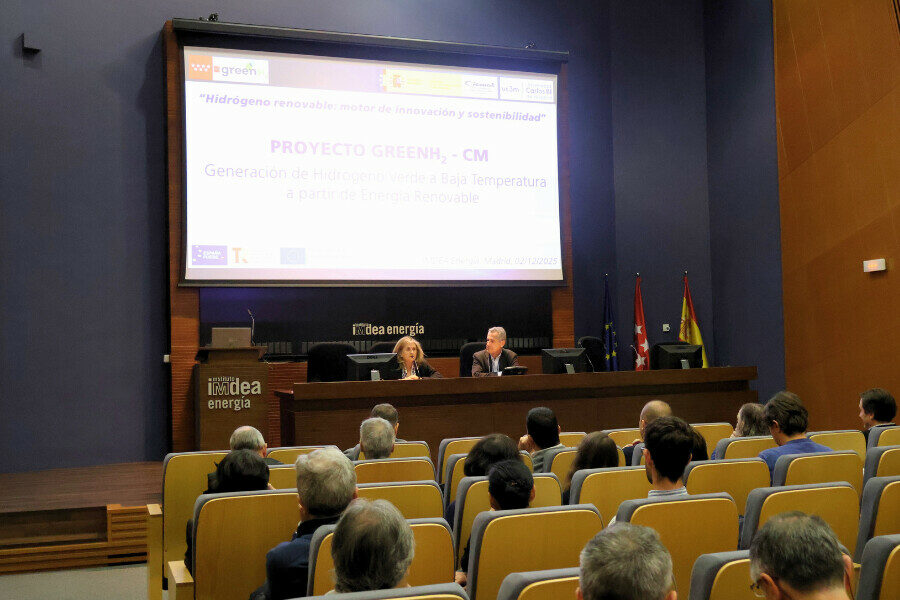
Science, industry and transport come together at IMDEA Energy to address the future of renewable hydrogen within the framework of the GreenH2-CM project
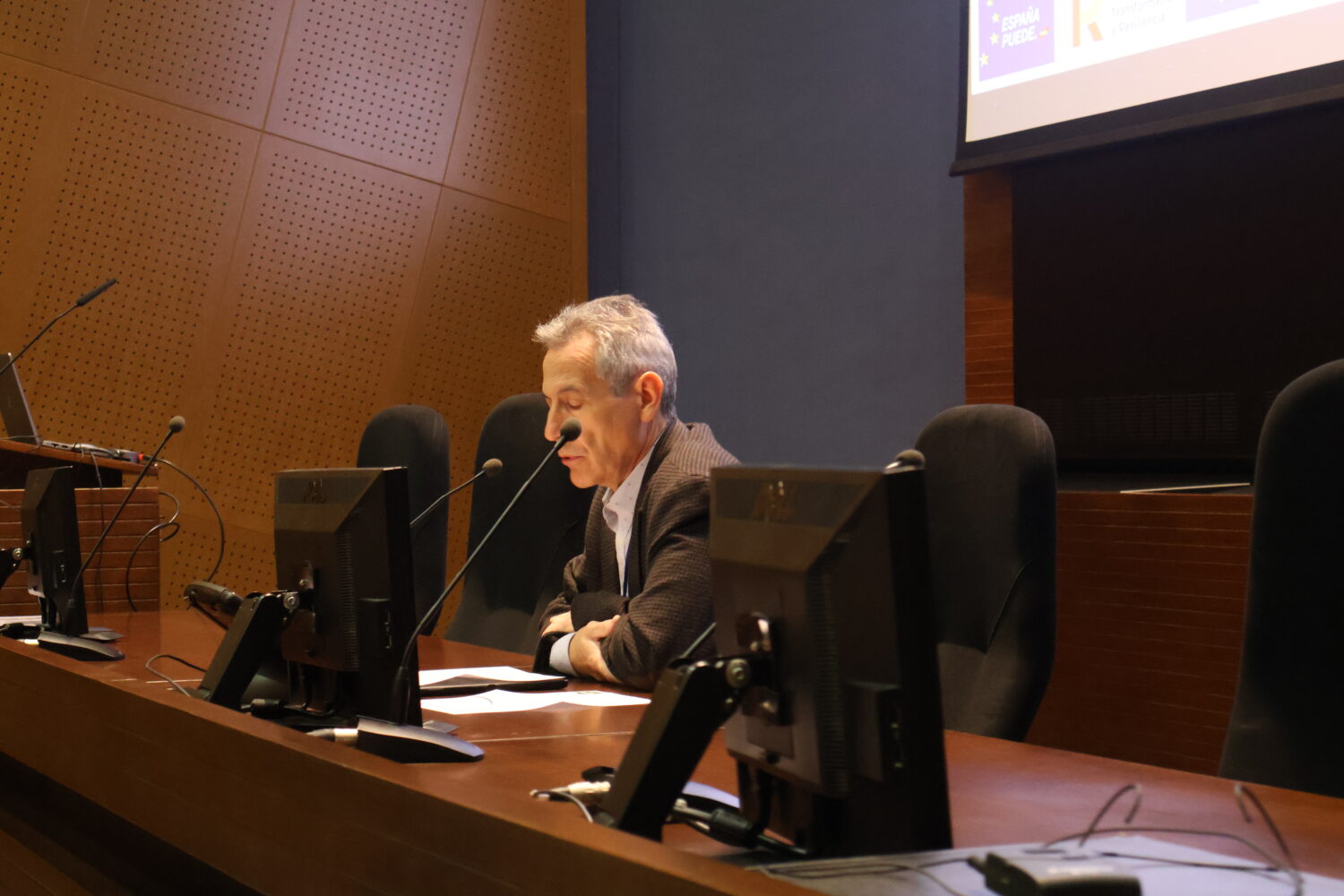
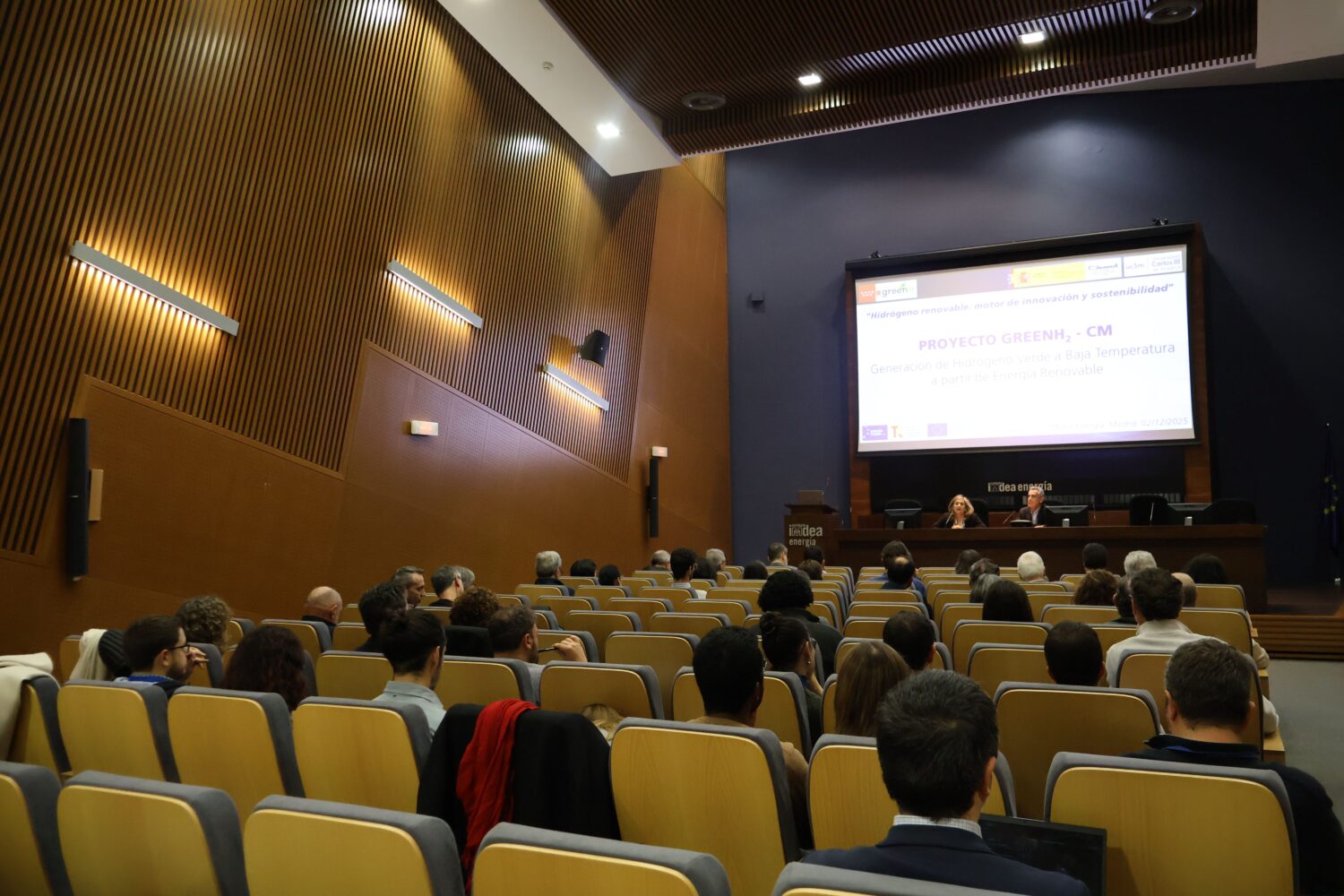
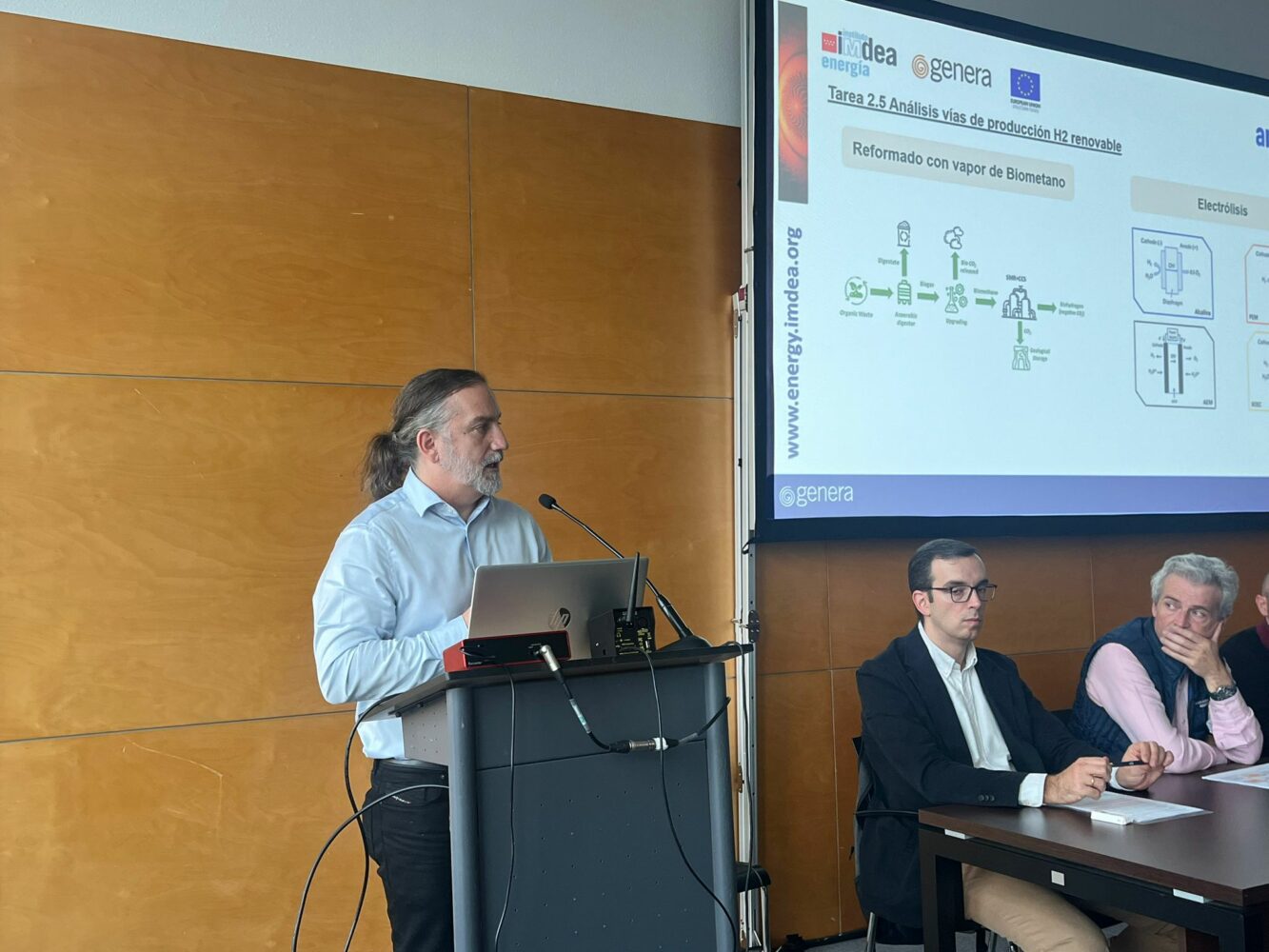
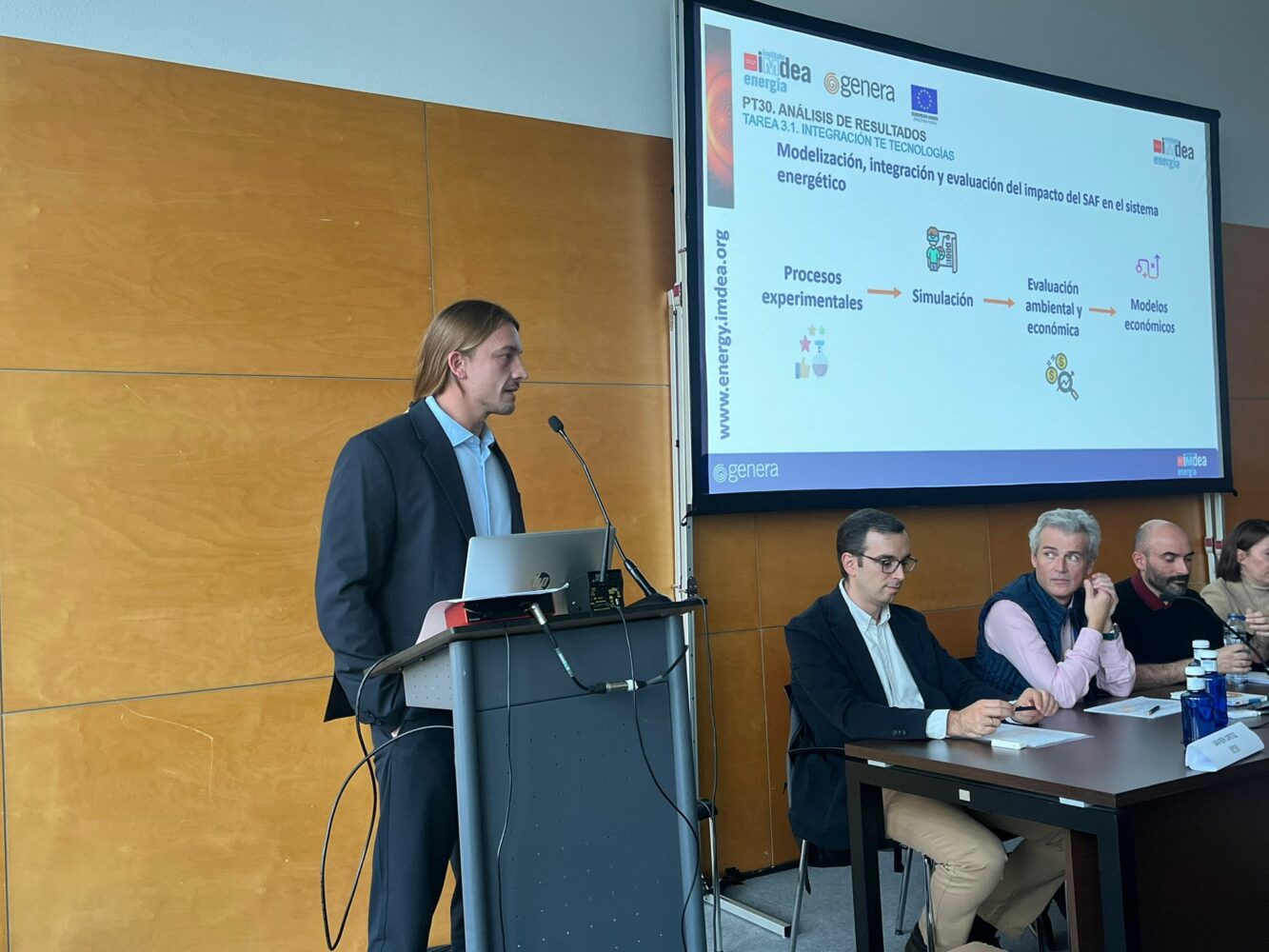
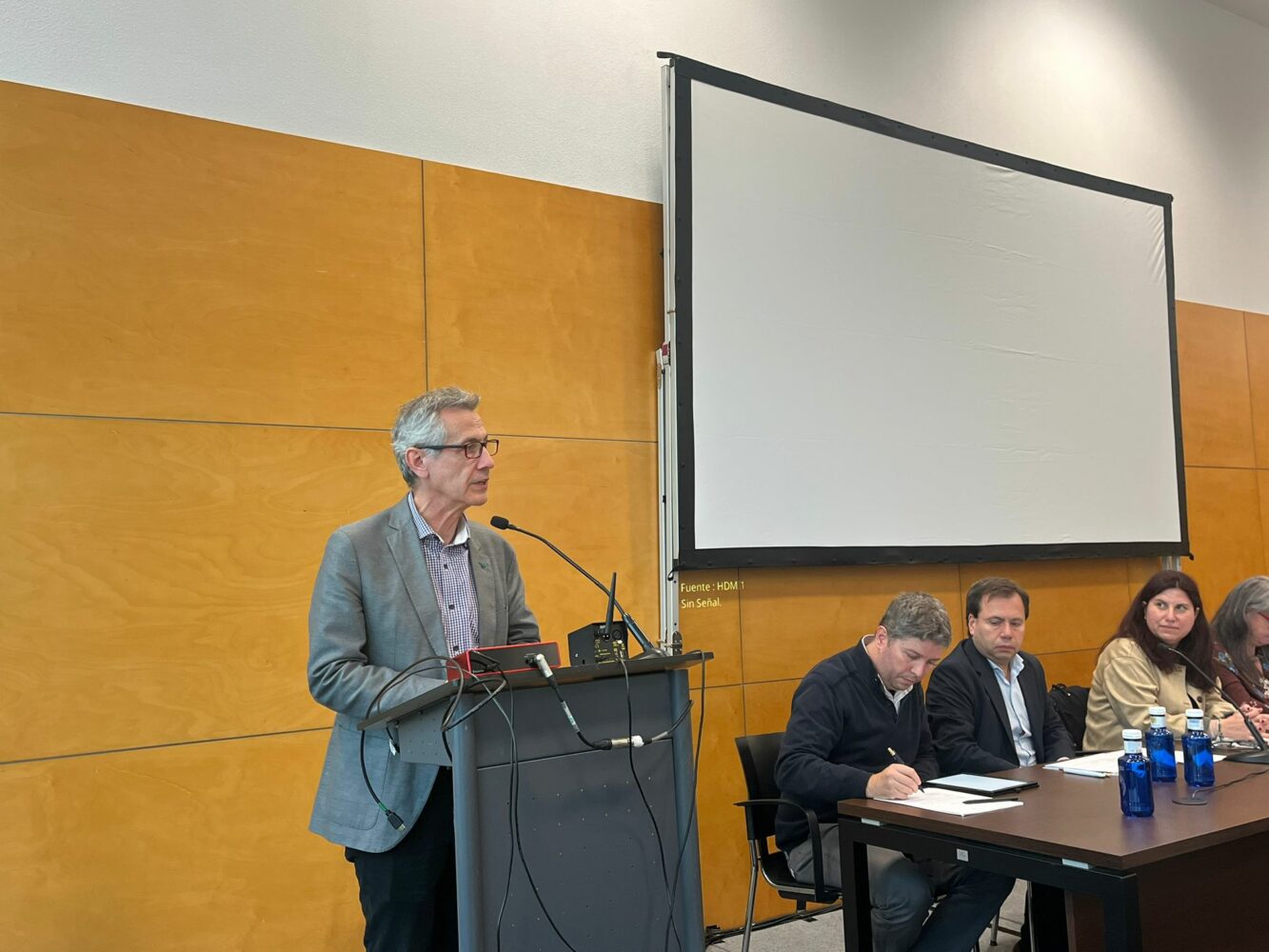
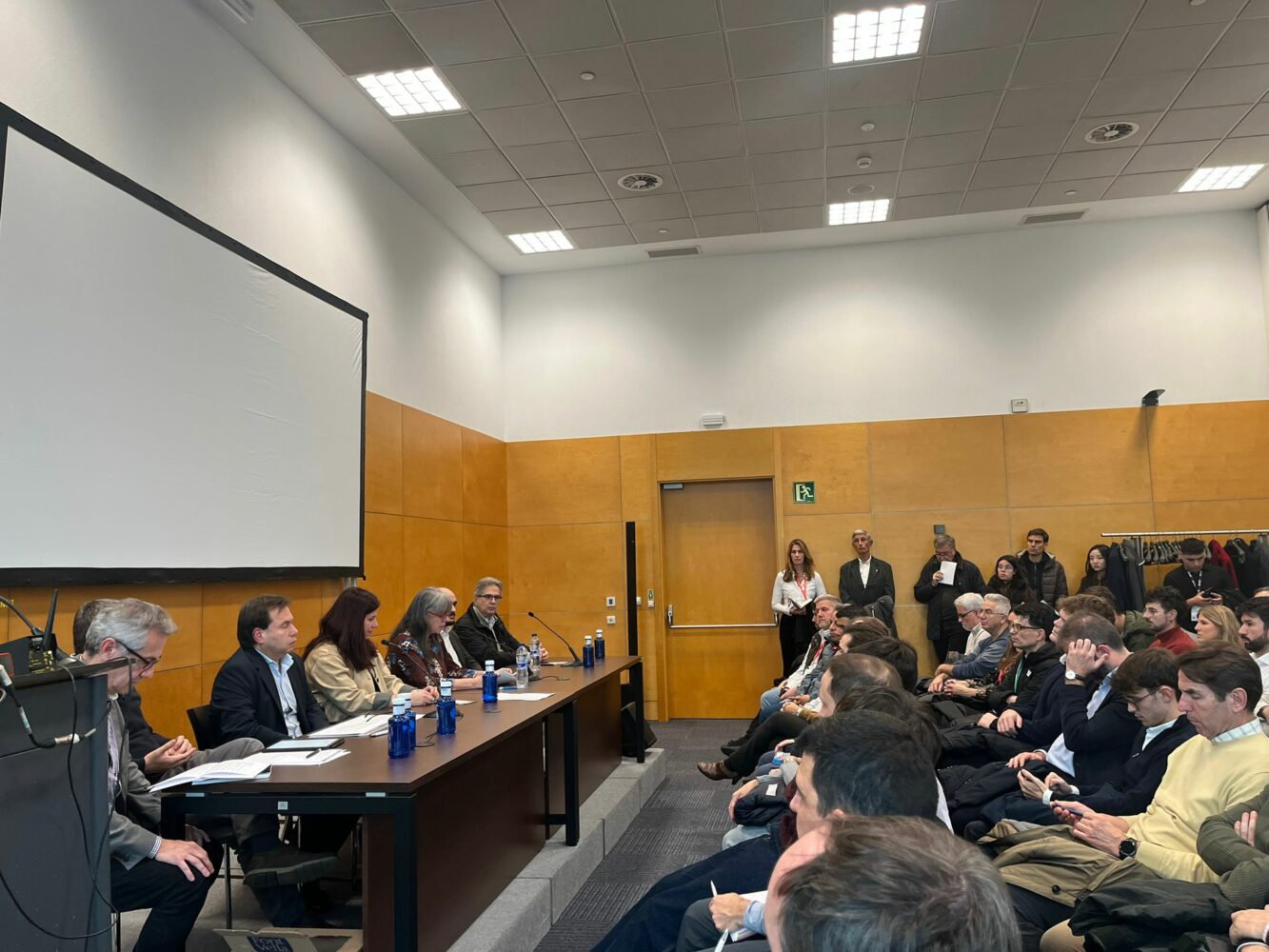
The IMDEA Energy Institute hosted a conference dedicated to renewable hydrogen, at which the latest advances in the GreenH2-CM regional project were presented. This project focuses on the development of technologies for the generation and use of green hydrogen in the Community of Madrid.
The event, conceived as a meeting point for the entire hydrogen value chain —from researchers and manufacturers to system integrators and end users in sectors such as transport and industry— brought together experts from scientific institutions, universities, engineering firms, energy companies, and industrial and logistics operators interested in the applications of this clean energy vector.
The conference began with an institutional opening by Jesús Palma (IMDEA Energy) and Mercedes Ballesteros (CIEMAT), who presented the Complementary Green Hydrogen Plan, a strategic initiative aimed at promoting the energy transition and fostering technological innovation in Spain.
Scientific advances: low- and high-temperature green hydrogen production
During the morning, the results of the project’s various lines of research were presented.
Araceli Fuerte (CIEMAT) discussed advances in the generation of low-temperature green hydrogen using renewable energy.
José González (IMDEA Energy) delved into high-temperature production, highlighting the potential of using industrial waste heat as a source of energy.
Teresa Leo (ETSIN-UPM) discussed the uses of hydrogen in heavy transport, as well as its gradual incorporation into the aviation and maritime sectors, which are key to the decarbonisation of transport.
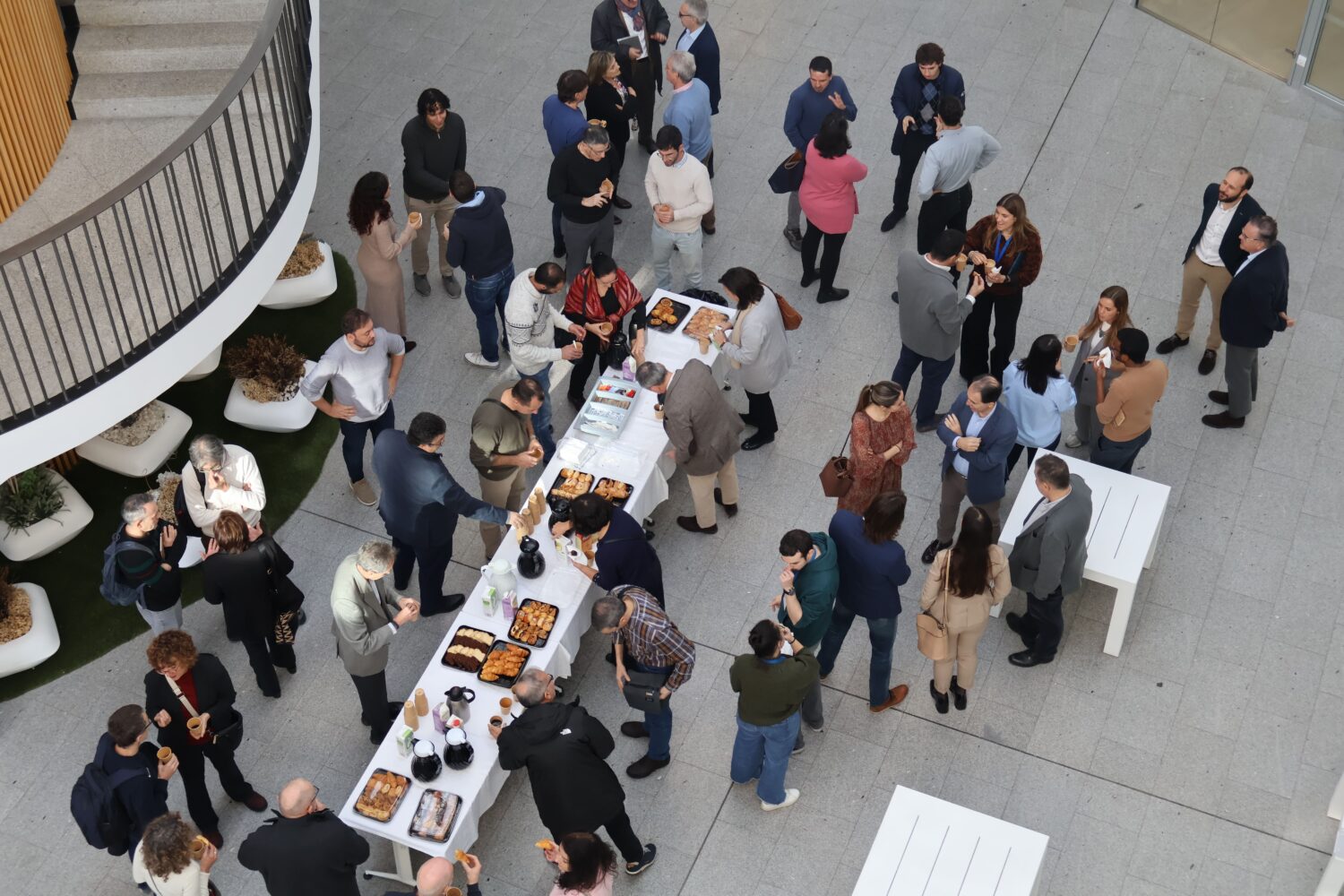
After a break for networking, the programme continued with a second round of presentations:
Raquel Gómez (INTA) detailed the possibilities of hydrogen in industrial combustion applications.
Javier Dufour (IMDEA Energy) presented the Hydrogen Master Plan for Madrid, a fundamental roadmap for consolidating the role of hydrogen in the region.
The day ended with a round table discussion entitled ‘Renewable hydrogen as a driver of innovation and sustainability in the Community of Madrid’, with the participation of representatives from organisations such as ALSA, Ariema, CNH2, Repsol and Exolum. The speakers agreed on the need to accelerate the implementation of infrastructure, support pilot projects and encourage public-private collaboration so that green hydrogen can become a competitive energy vector.
Closing ceremony and visit to the facilities
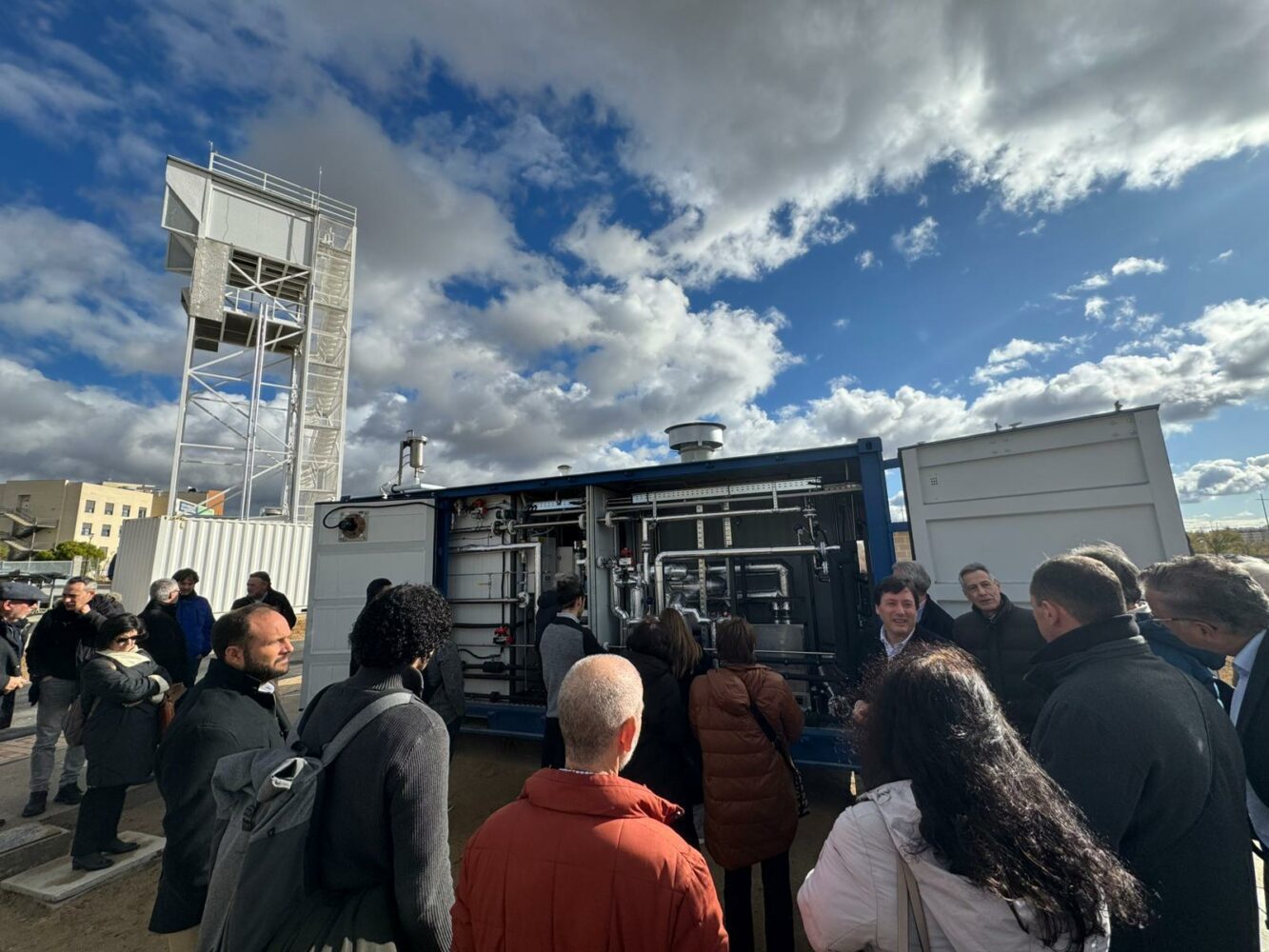
To conclude the event, attendees visited the pilot facilities used in the GreenH2-CM project at IMDEA Energy, where they were able to see first-hand the demonstration technologies developed on the new plot of land set up as an outdoor experimental area adjacent to the Institute’s solar field. The day ended with a lunch that allowed for further discussions and exploration of new opportunities for collaboration.
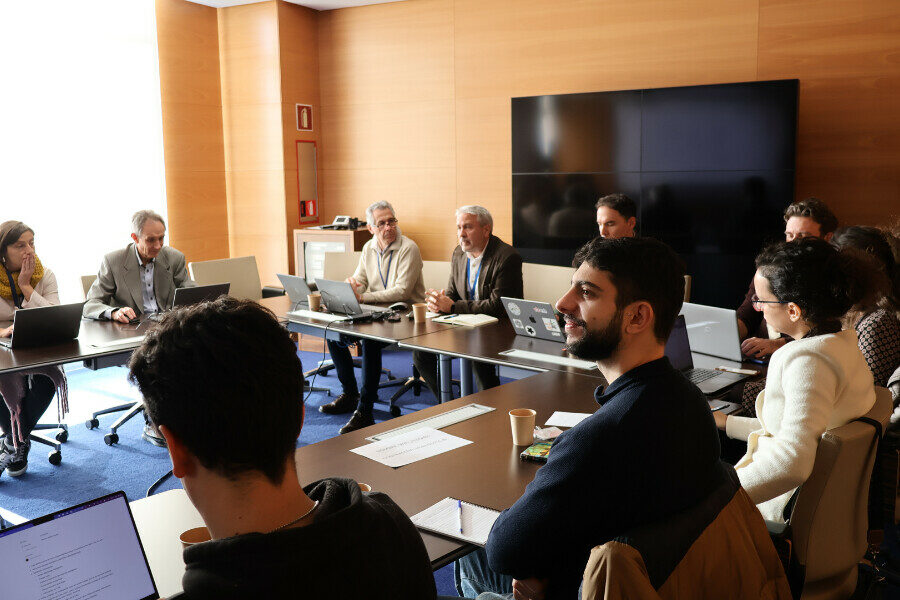
IMDEA Energy and URJC explore opportunities for collaboration in AI
On Monday, a group of experts from the Higher Technical School of Computer Engineering at Rey Juan Carlos University visited IMDEA Energy with the aim of exploring possible opportunities for collaboration in the field of Artificial Intelligence.
The meeting, which was attended by researchers from all IMDEA Energy units, provided an opportunity to present various activities currently being carried out at the center, such as the automated laboratory in the Photoactivated Processes area, the development of algorithms in the Electrical Systems Unit, and the solar energy digitization strategies promoted by the High Temperature Processes Unit.
For their part, the URJC representatives presented several of the projects underway and the lines of collaboration they maintain with different companies, with the aim of identifying possible synergies and areas for joint work.
IMDEA Energy leads a new project that harnesses dairy industry wastewater to produce clean water and bioplastics
IMDEA Energy institute is coordinating an innovative new international project aimed at tackling two major environmental challenges: the global shortage of freshwater and the management of by-products from the dairy industry. The project, known as WAVE (Circular Bioconversion of Dairy Wastewaters into Bioplastics), seeks to develop an integrated process using microbial biotechnologies to reuse and convert dairy wastewater into new bioplastics.
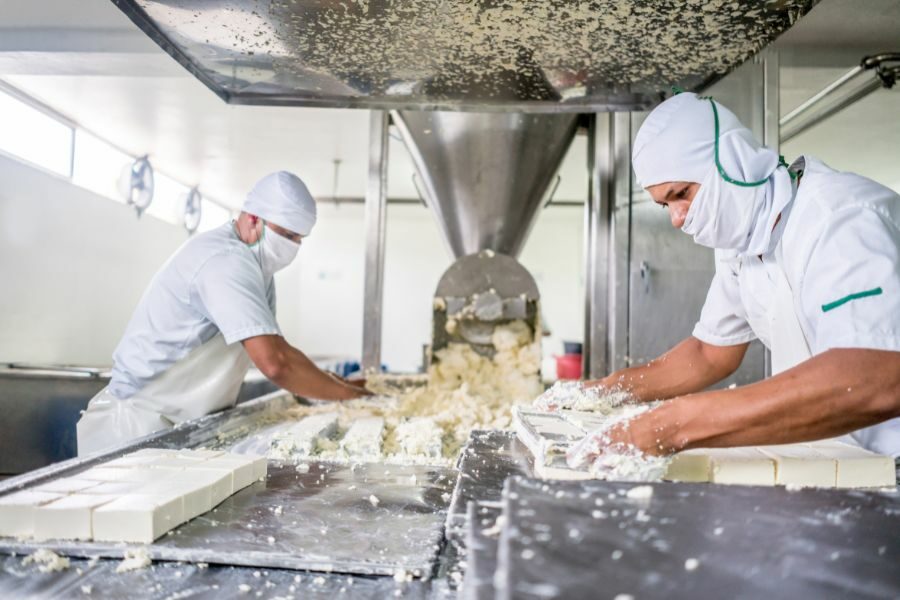
The milk and cheese industries generate enormous volumes of wastewater every year, requiring specific and costly treatments. WAVE proposes turning this challenge into an opportunity by revalorising the entire wastewater fraction to obtain clean water suitable for irrigation and next-generation bioplastic materials, directly helping to relieve pressure on freshwater reserves and promoting circularity in water resource management.
According to Elia Tomás Pejó, Head of the Biotechnology Processes Unit at IMDEA Energy and coordinator of the project, “WAVE represents a unique opportunity to transform an environmental problem into a source of valuable resources. Our aim is to demonstrate that the treatment of dairy wastewater can go beyond conventional purification, becoming a driver for the production of sustainable bioplastics and reusable water.”
An Innovative Process, from Whey to High-Value Materials
The proposed process begins with the generation of short-chain fatty acids through anaerobic fermentation. These acids then serve as the basis for unconventional yeasts to produce single-cell proteins, which are later used to create new bioplastic materials. In this final stage, researchers will study the properties of proteins obtained from Debaryomyces strains —a type of yeast— to design bioplastics capable of replacing traditional petroleum-derived alternatives.
This conversion chain combines biotechnology and materials science in a unique process that yields essential outcomes: on the one hand, treated water with low salinity suitable for irrigating urban green spaces; on the other, sustainable bioplastics that could open new industrial opportunities. The project will thoroughly assess the quality and potential of both products in order to demonstrate the feasibility of a circular model that fully revalorises waste streams.
International Collaboration and Strategic Funding
The success of the WAVE project is ensured by a multidisciplinary consortium with extensive experience in developing innovative solutions in complementary fields such as chemistry, materials science, biotechnology, engineering and economics.
Researchers from IMDEA Energy (Spain) will work alongside the Technical University of Denmark (Denmark), the University of Valladolid (Spain), KTH Royal Institute of Technology (Sweden), the International Hellenic University (Greece) and 21st BIO A/S (Denmark).
Regarding the strength of the team, Elia Tomás highlights that “the multidisciplinary consortium is key to achieving our objectives. We are confident that combining expertise in bioprocesses, materials and modelling will enable us to develop robust technologies that can be transferred to the productive sector.”
WAVE is funded by the European Union and the Spanish Ministry of Science, Innovation and Universities (MICIU) through the State Research Agency (AEI), within the framework of the Water4All 2024 Joint Transnational Call (CIRCECO-WATER4ALL-279 / PCI2025-167116-2).
IMDEA Energy strengthens its role as a bridge between industry and sustainable research at GENERA 2025
IMDEA Energy returned once again to the International Energy and Environment Fair, GENERA, reinforcing its position as a key connector between research and industry. Through pioneering projects and collaborations across the energy sector, the institute showcased its commitment to innovation and the energy transition.
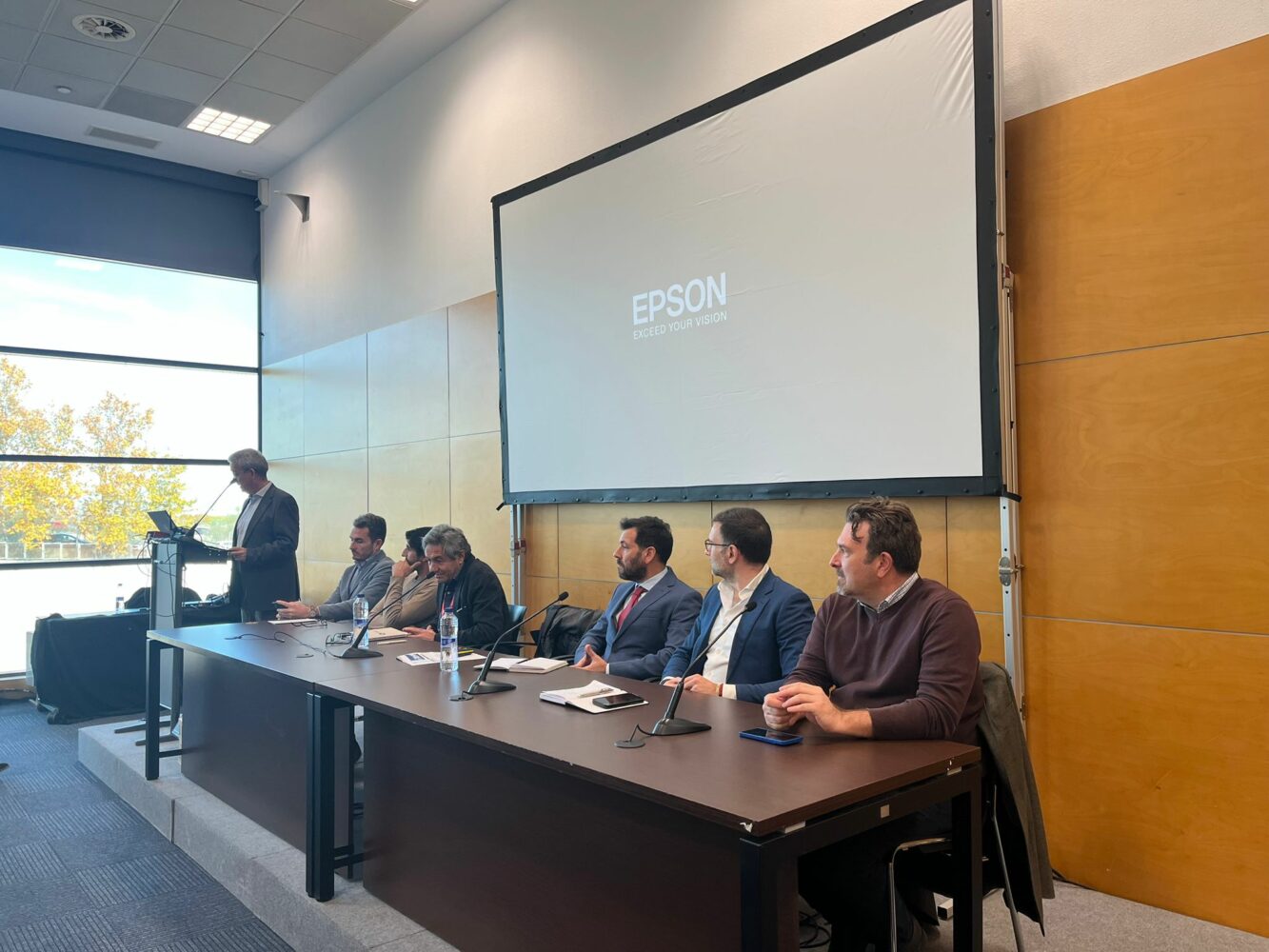
Over the three days of the fair, IMDEA Energy hosted an exhibition space within the Madri+d Foundation Pavilion and took part in Green Connect 2025, the Enterprise Europe Network business matchmaking event. The institute also organised four technical sessions that brought together companies, research centres, public authorities and leading energy-sector stakeholders, creating a forum for discussion on technologies essential to a sustainable transition.
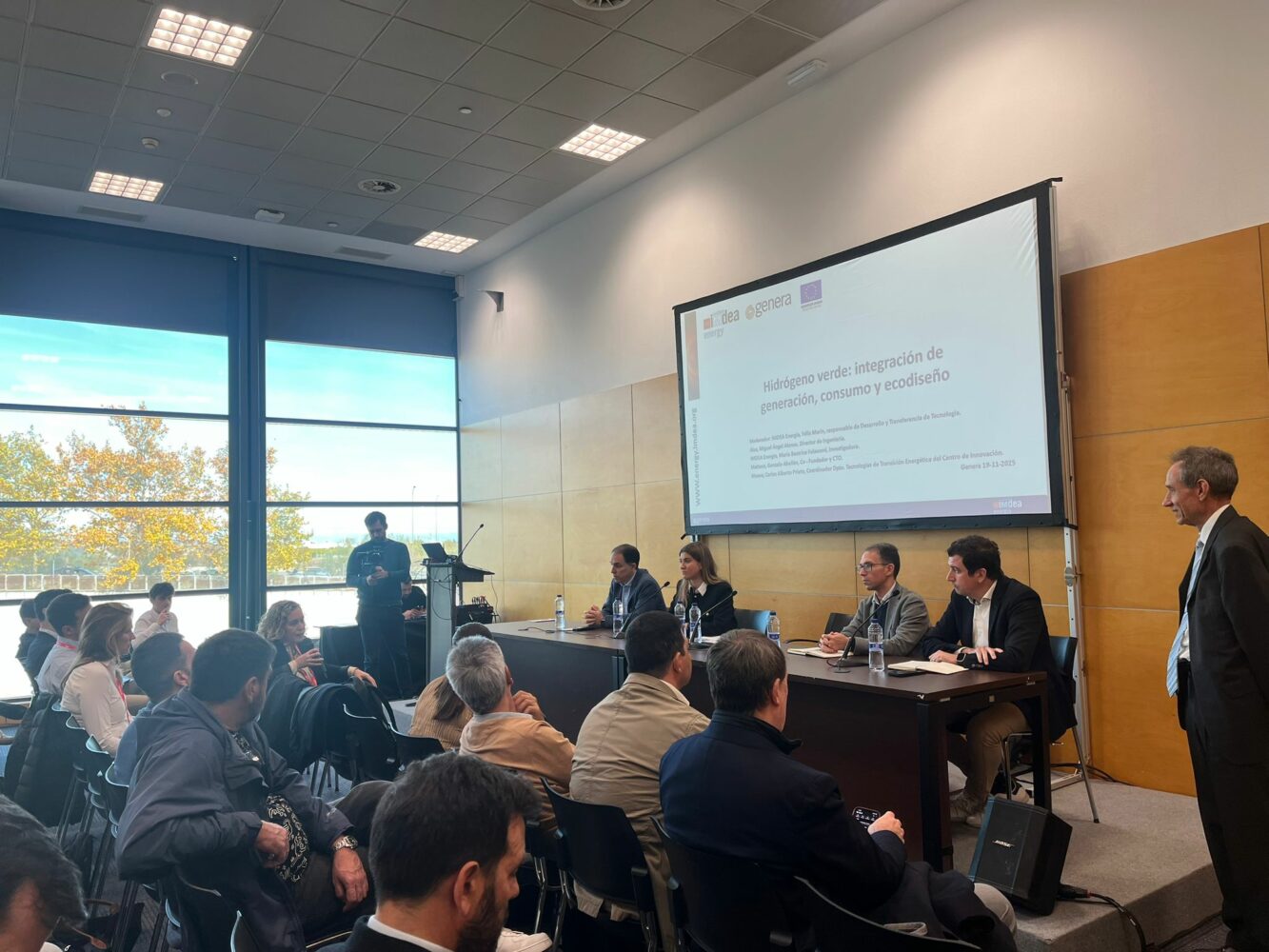
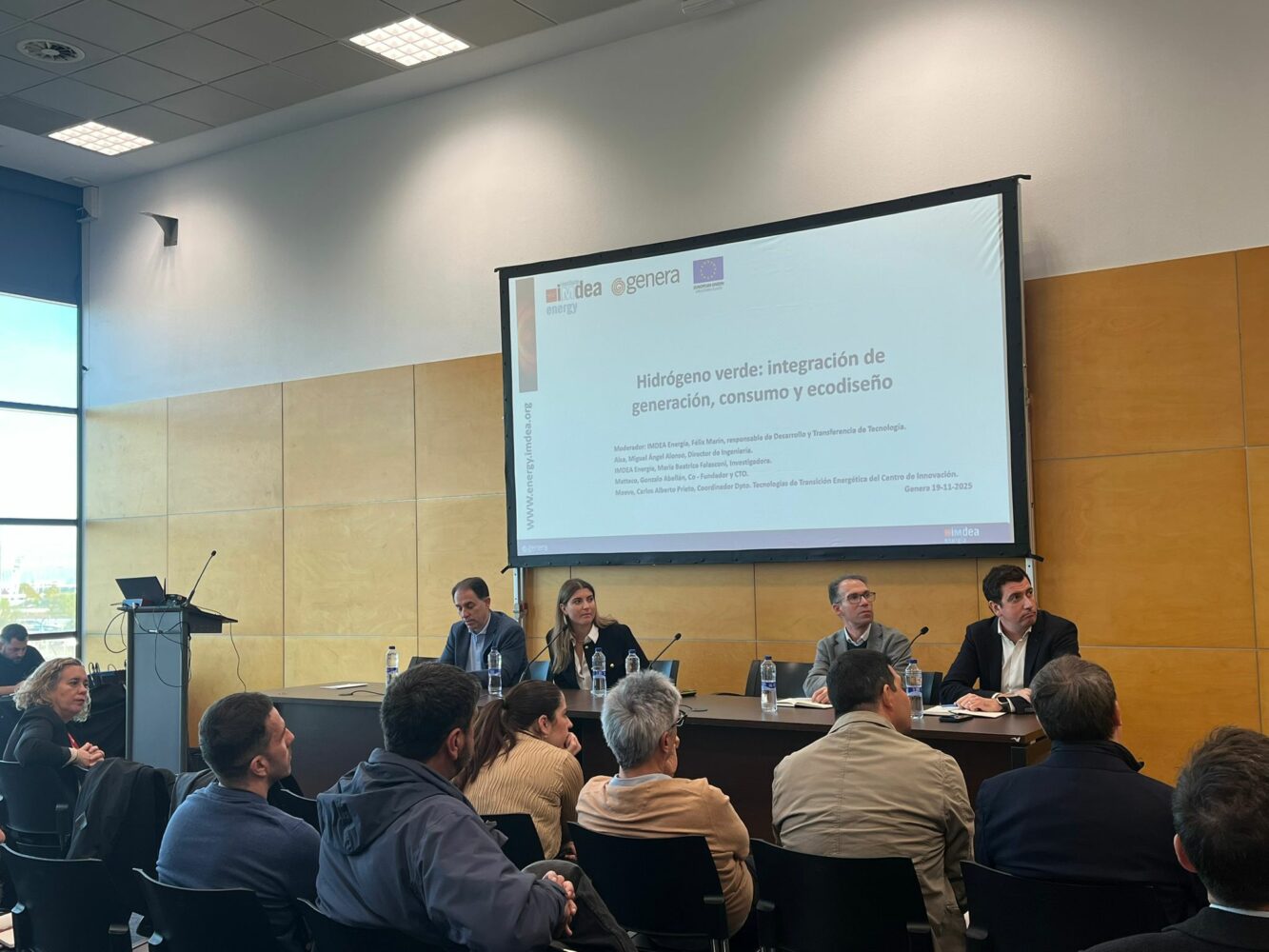
The first session focused on green hydrogen and opened with an overview of electrolysis projects underway in Spain and Portugal, as well as the challenges still shaping their rollout—ranging from the need to create stronger demand to establishing clear regulatory frameworks, incentives and new investment. The discussion moved into hydrogen’s role in decarbonising hard-to-electrify sectors and reducing Europe’s energy dependence, highlighting capacity forecasts and the potential of technologies such as AEM. IMDEA Energy presented its progress in solid oxide electrolysis, a high-efficiency, high-temperature technology still under development, and shared updates on projects such as PROMETEO and GREENH2 aimed at integration with renewable energy sources. The session was moderated by Félix Marín (IMDEA Energy) with contributions from María Beatrice Falasconi (IMDEA Energy), Miguel Ángel Alonso (Alsa), Gonzalo Abellán (Matteco) and Carlos Alberto Prieto (Moeve).
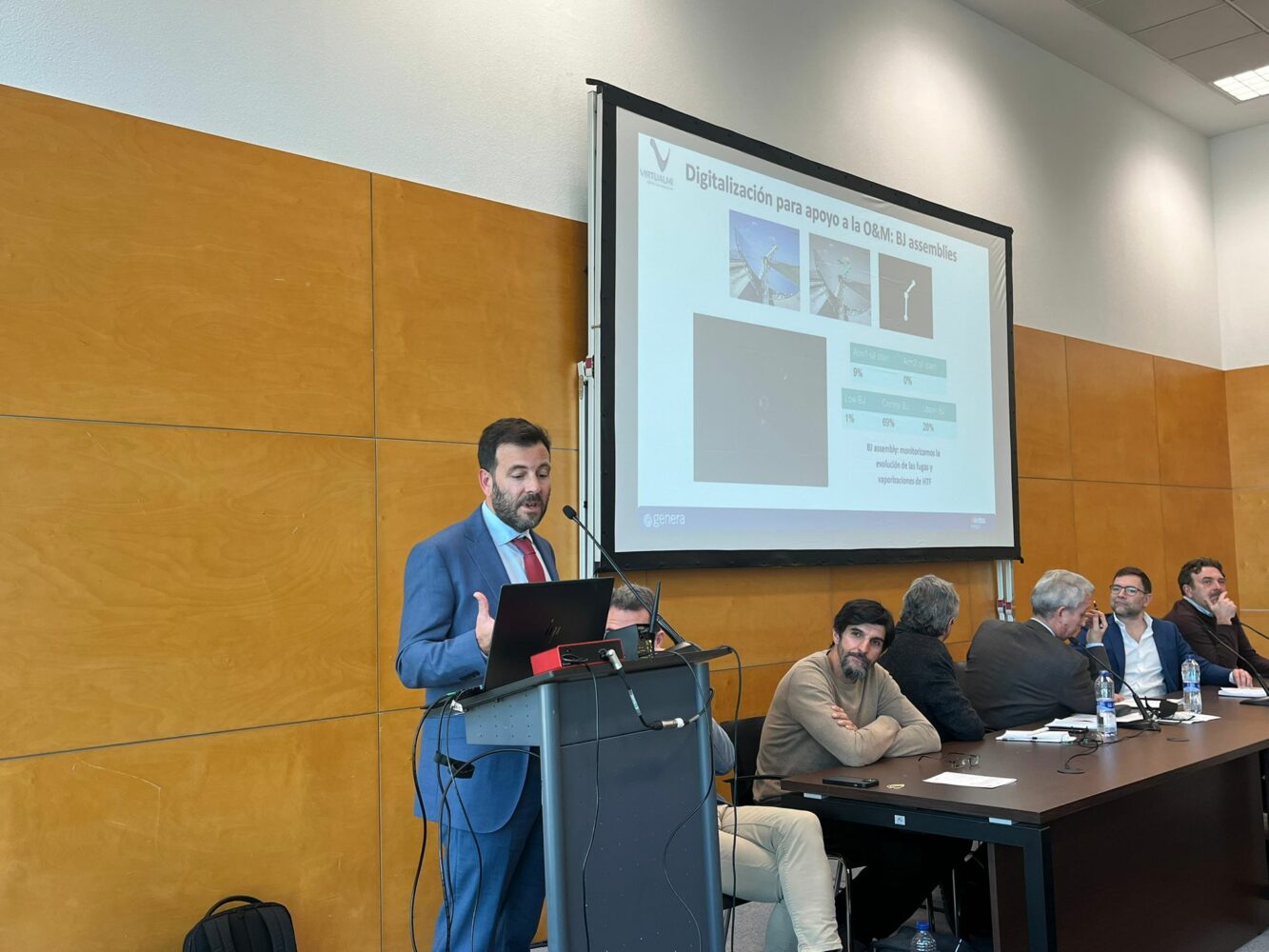
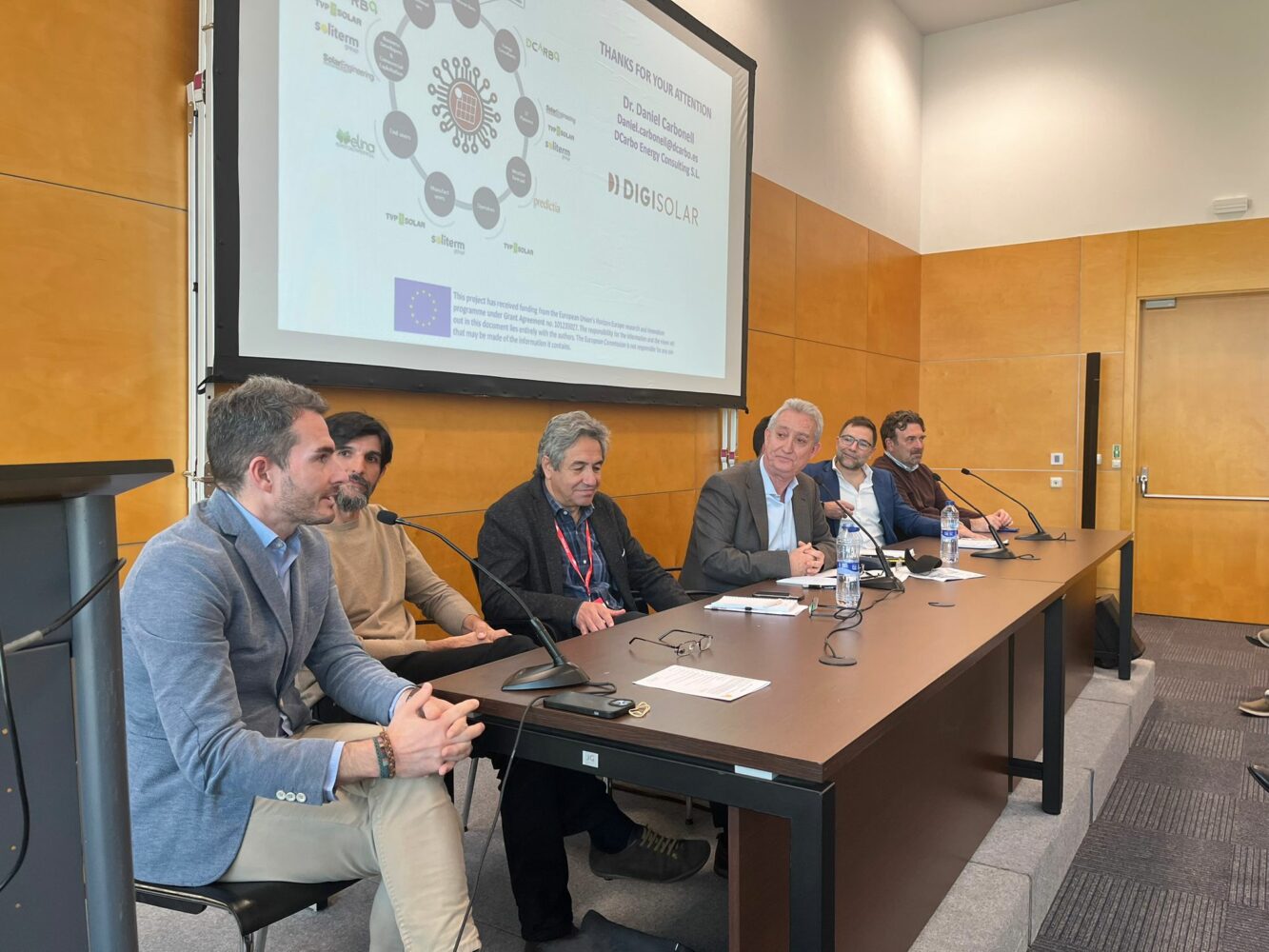
The second session centred on digitalisation and artificial intelligence applied to solar thermal energy, as part of the Community of Madrid’s ACES4NET0-CM research programme. The session featured the new European initiatives SUN-DT and DIGISOLAR, launched in 2025 to support digitalisation in concentrated solar power. Speakers discussed new methodologies and tools for characterisation, predictive and preventive maintenance, and the creation of digital twins to improve the performance and management of CSP plants. Participants included Manuel Romero (IMDEA Energy), Diego Caro (ACCIONA Construction), Marcelino Sánchez (CENER), Daniel Carbonell (DCarbo Energy Consulting), Milan Prodanovic (IMDEA Energy), Óscar Balseiro (Solar Concentra – Protermosolar) and Juan Sebastián Valverde (VirtualMech).
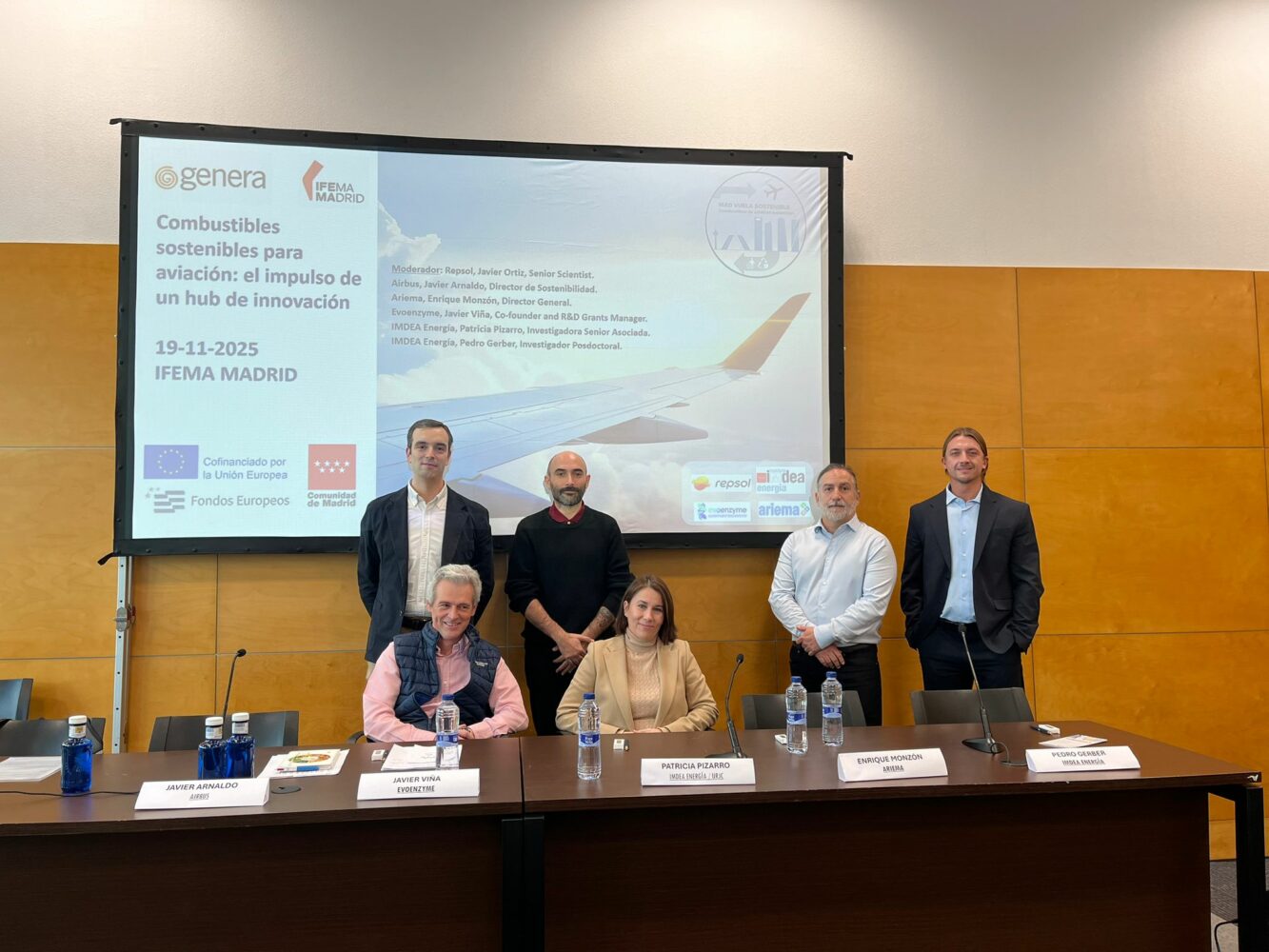
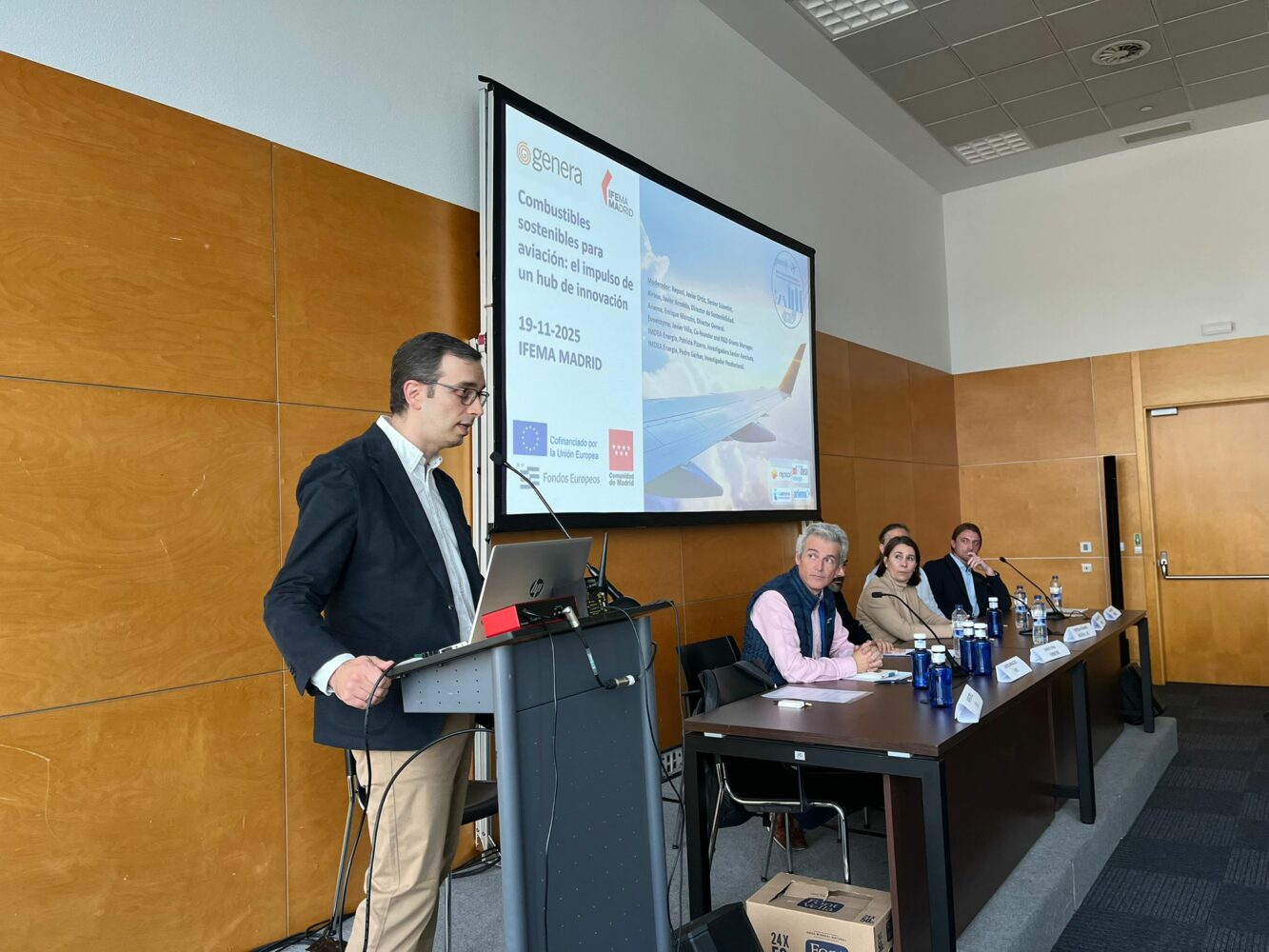
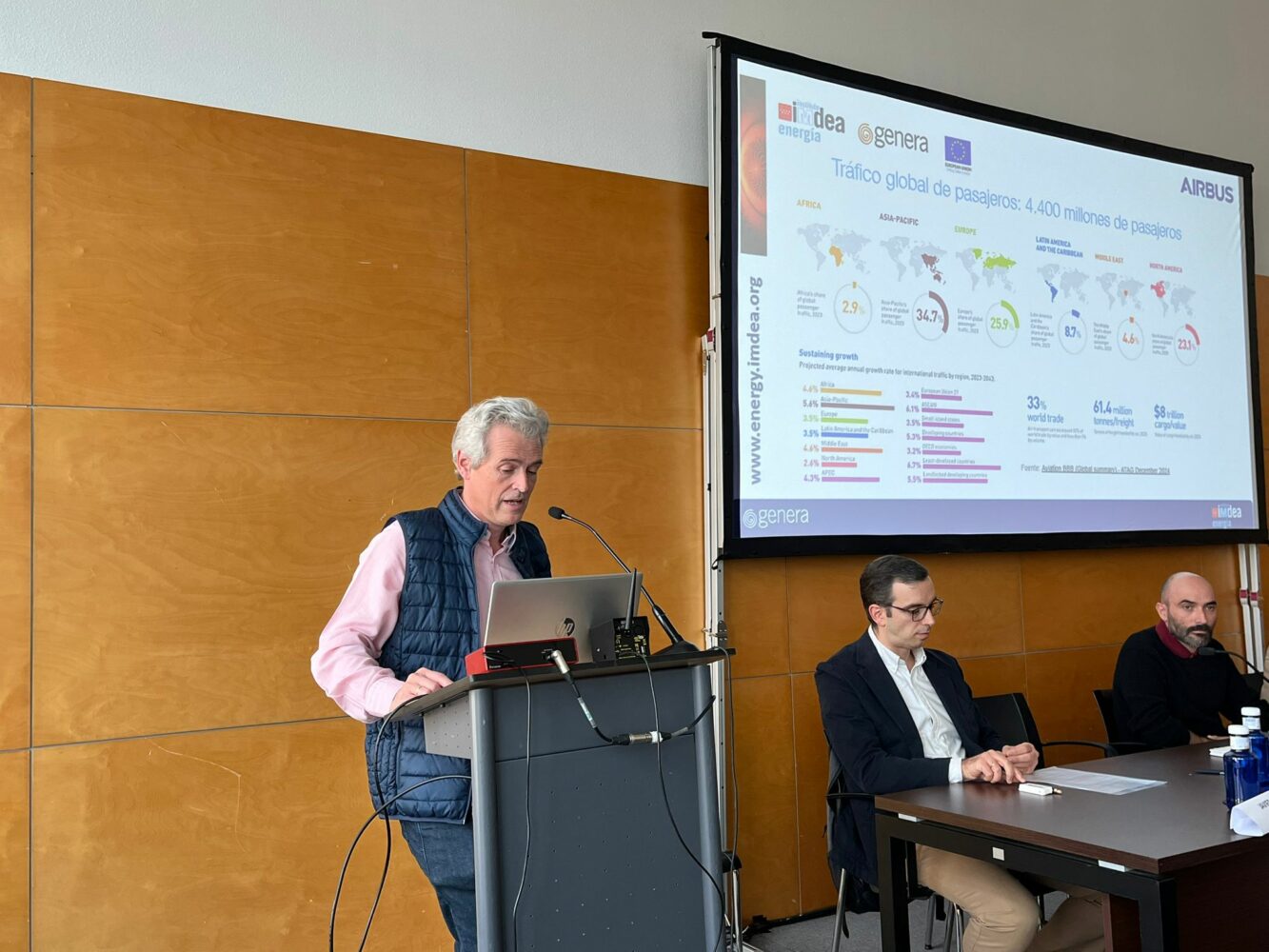
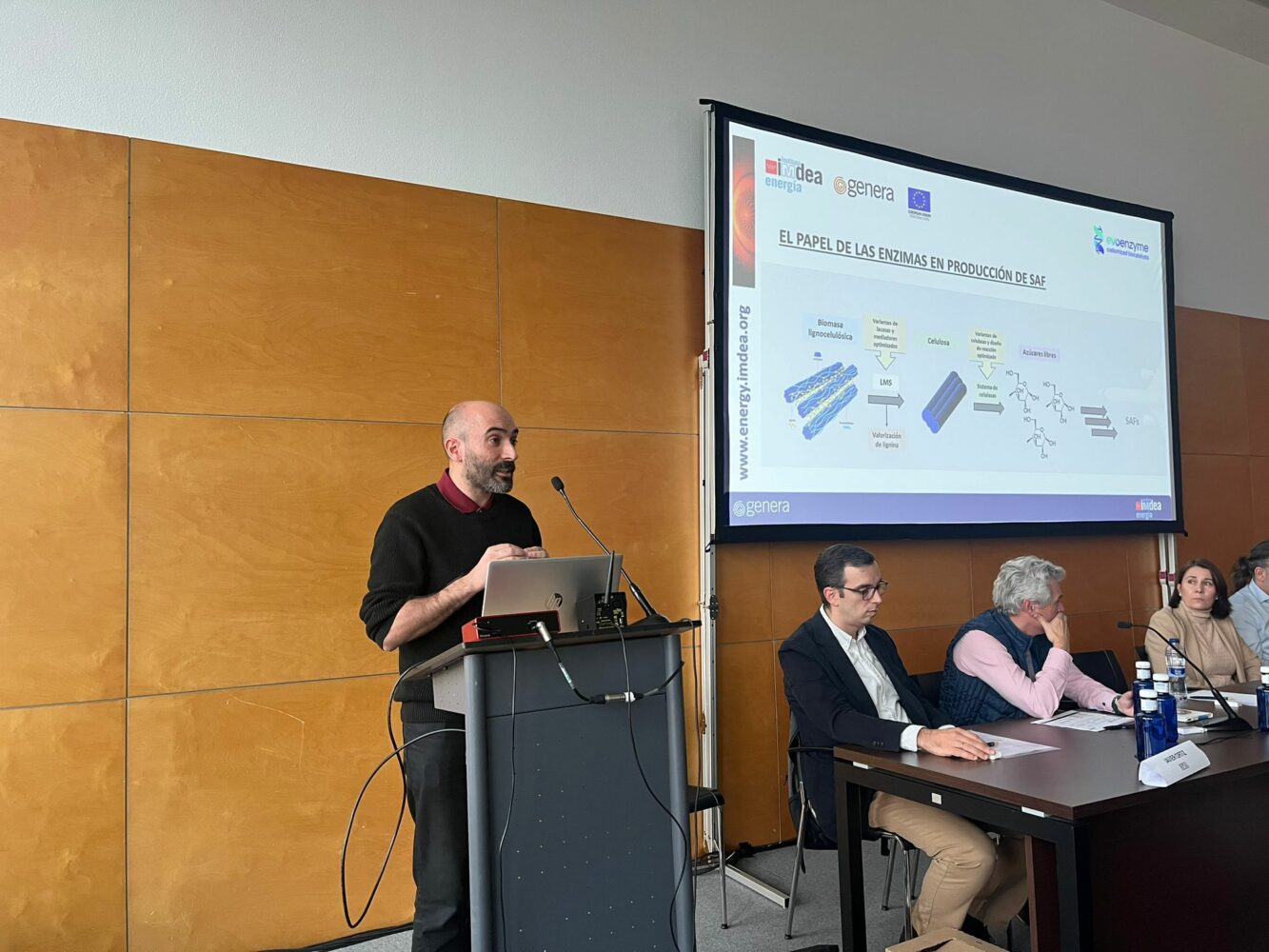
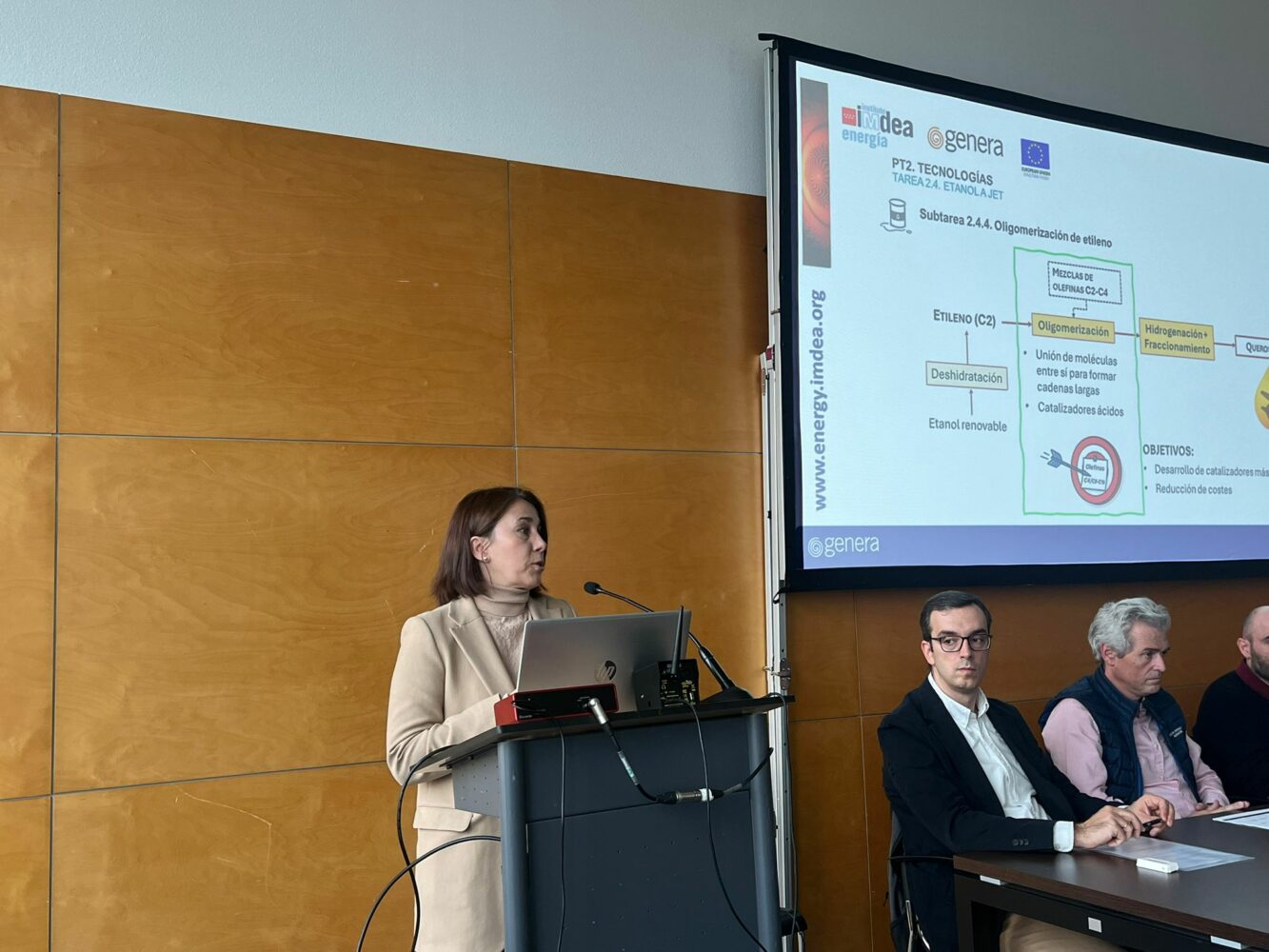
The session on sustainable aviation fuels (SAF) reviewed the latest advances in SAF production. The “Madrid Flies Sustainable” Innovation Hub was presented as an initiative connecting the different actors involved along the value chain. The speakers addressed aviation-related emissions and the urgent need to accelerate decarbonisation, emphasising SAF’s potential to cut lifecycle emissions by around 80% and the complementary role of operational improvements. The discussion also highlighted the opportunity for Spain to develop a strong national industry in this field and reviewed the main technological routes for producing SAF. The panel, moderated by Javier Ortiz (Repsol), included Javier Arnaldo (Airbus), Enrique Girón (Ariema), Javier Viña (Evoenzyme) and IMDEA Energy researchers Patricia Pizarro and Pedro Gerber.
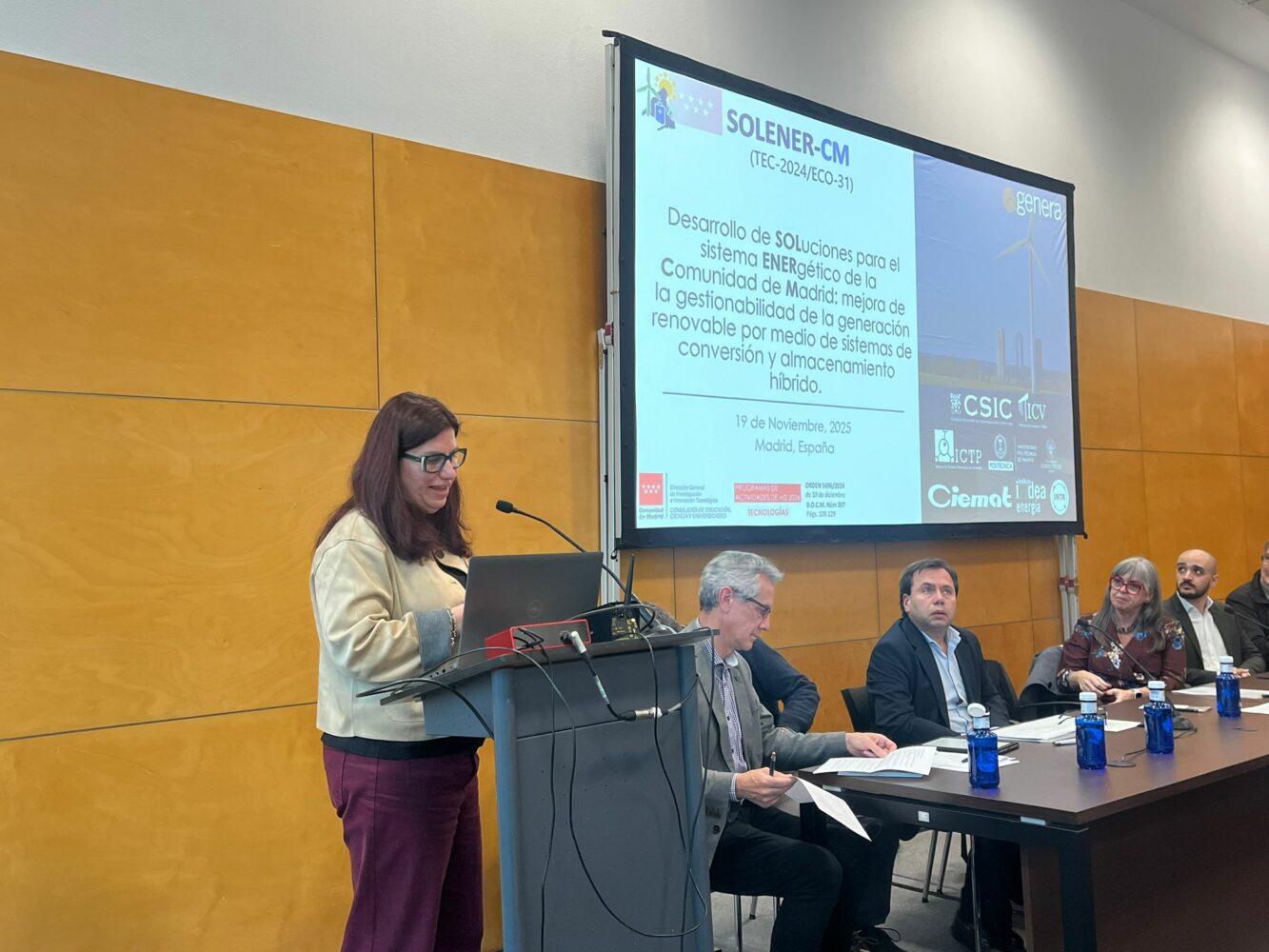
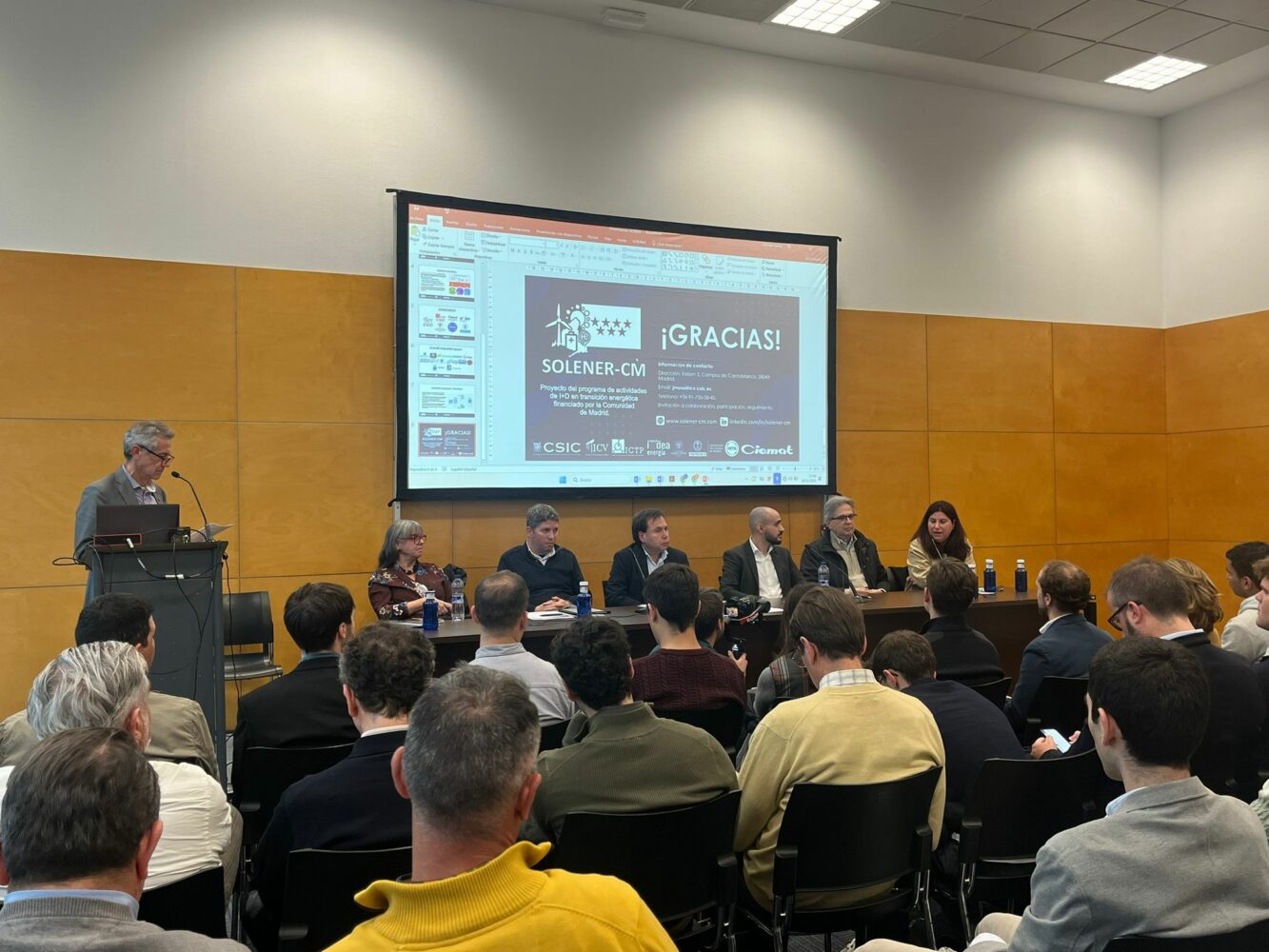
The final session, dedicated to energy storage and conversion, explored solutions combining wind–solar hybrid systems, batteries and green hydrogen. Speakers analysed the technical and economic viability of these technologies, their potential to lower energy costs and the ways in which they can increase the penetration of renewables in the energy mix. The session also examined current challenges for both research and industry, and future pathways for integrating these solutions effectively. Within this framework, the SOLENER-CM project was presented, aiming to transform the energy system of the Community of Madrid and support a shift towards a more sustainable model. Participants included Jesús Palma (IMDEA Energy), Marina Villegas and Bárbara Fernández-Revuelta (Community of Madrid), Mario Carrero (H2Greem Global Solutions), Jadra Mosa (ICV-CSIC), Enrique García-Quismondo (IMDEA Energy), Miguel Manjón (Master Battery) and Miguel Martínez (UPM).
Energy technologies and artificial intelligence: keys to collaboration with Saudi Arabia
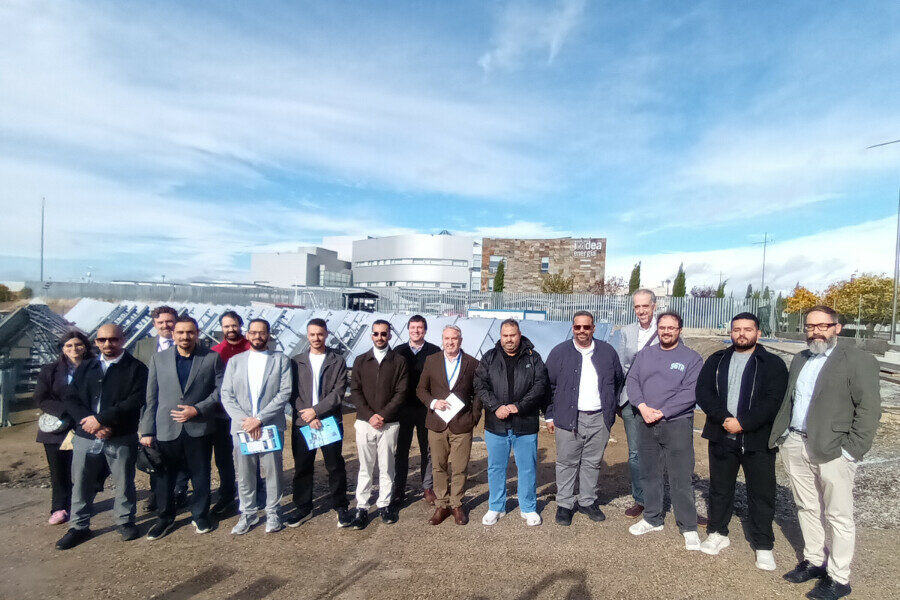
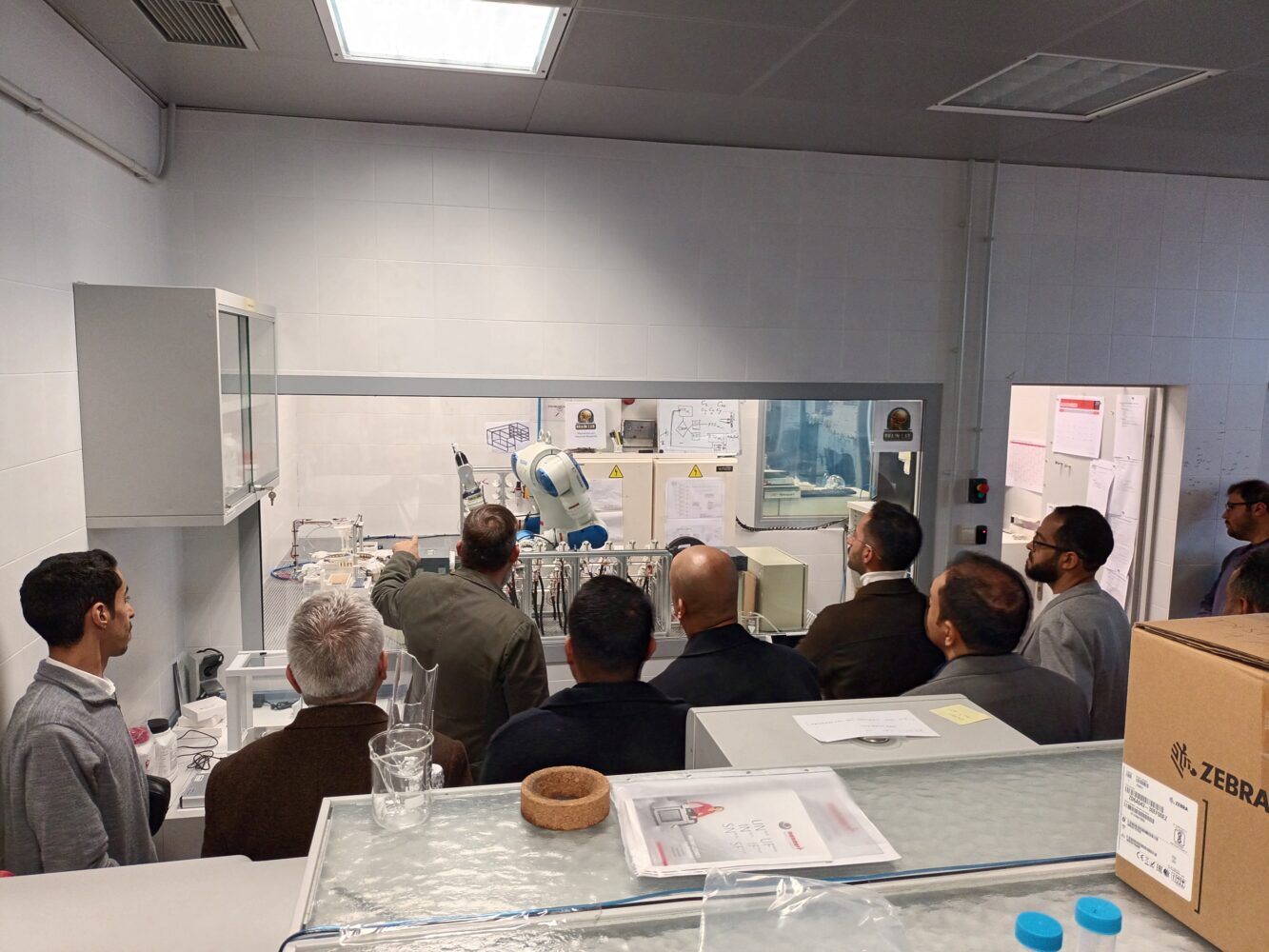
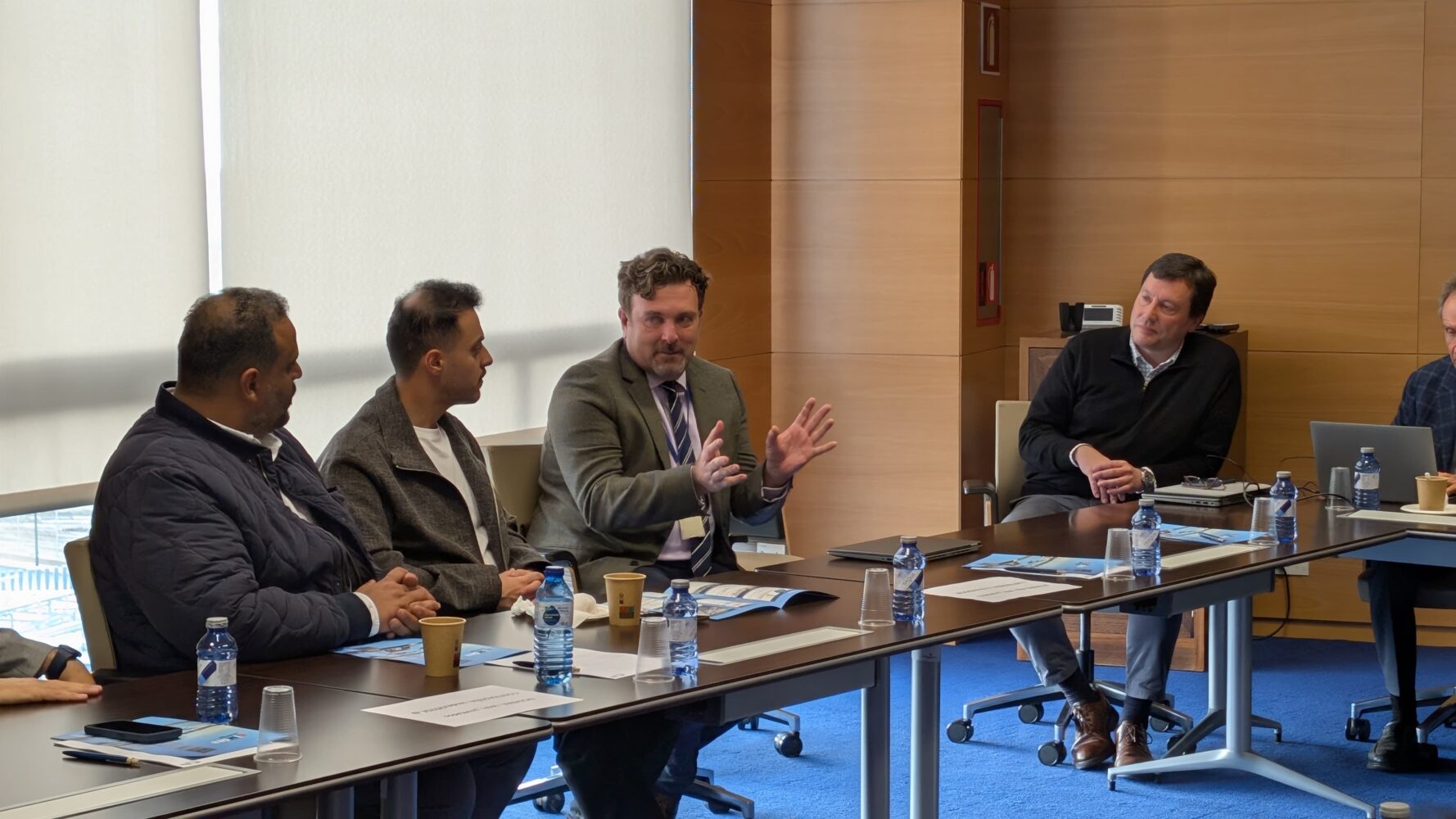
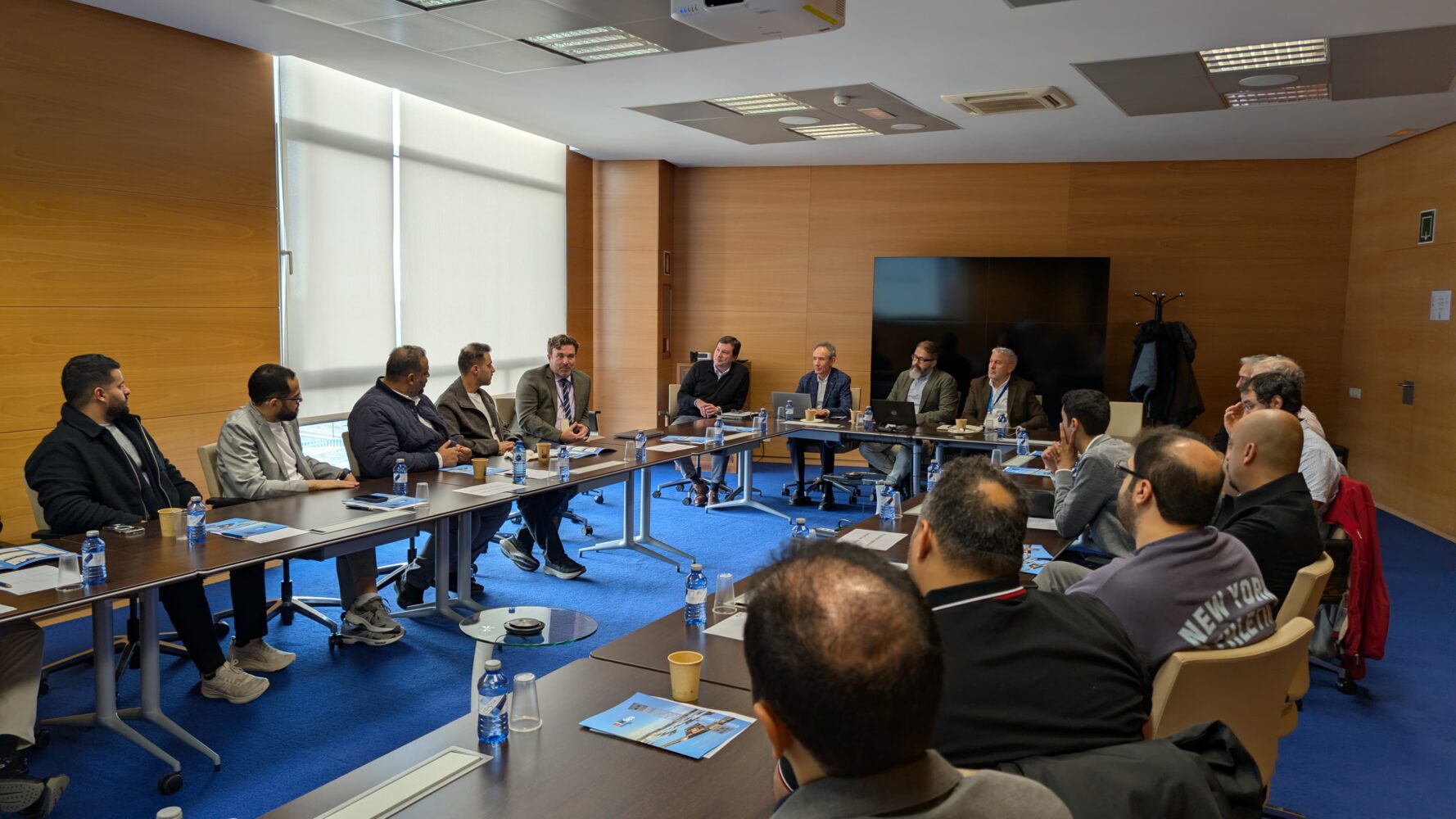
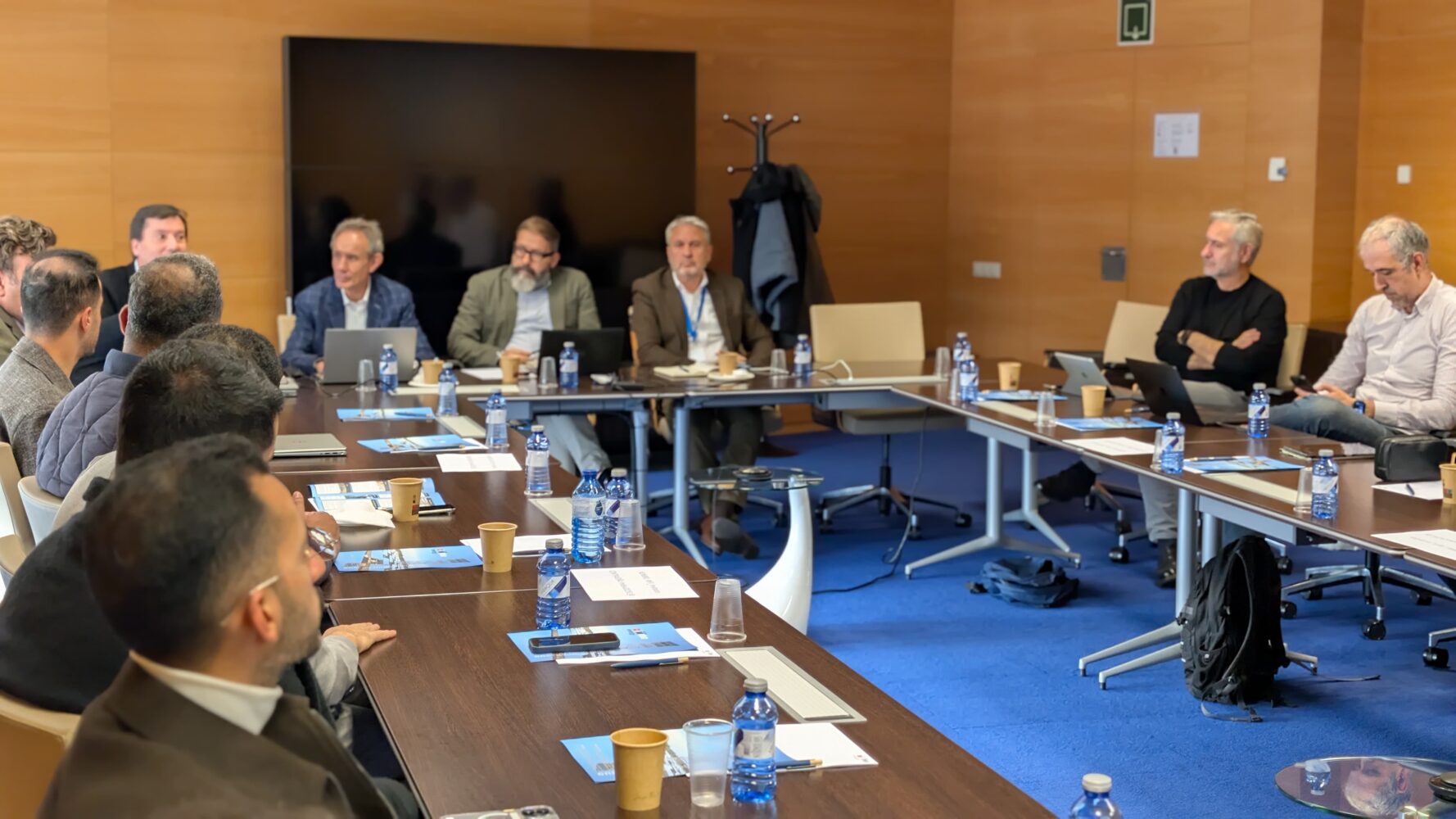
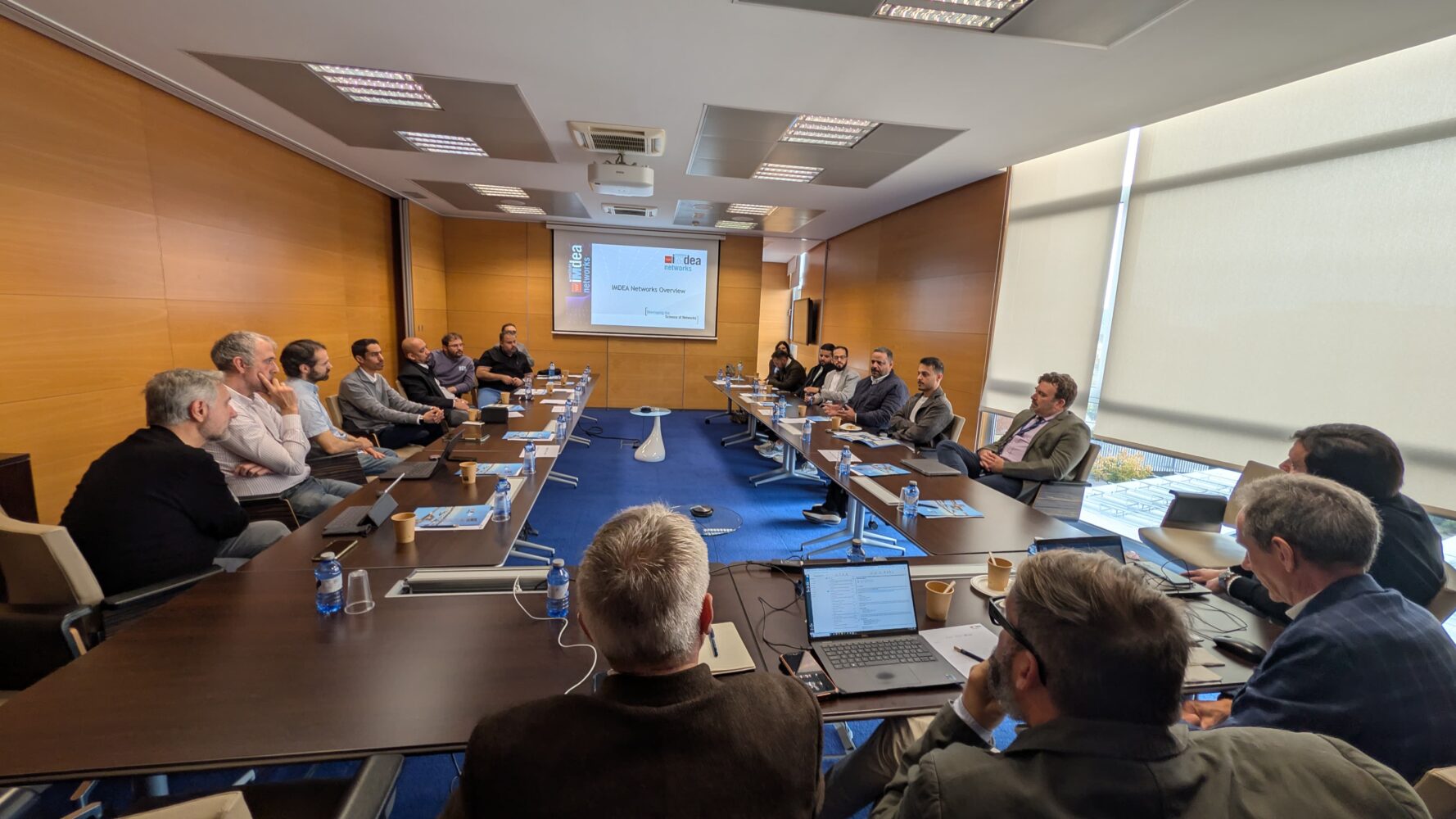
A delegation of 11 technicians and executives from the Saudi Arabian petrochemical company SIPCHEM visited the IMDEA Energy Institute on November 14 with the aim of exploring opportunities for collaboration focused on the development of energy technologies and the application of Artificial Intelligence (AI) tools to improve operational efficiency, optimize processes, capacity building, and the development of advanced products and services.
The Sipchem delegation was accompanied by a representative from ESCP Business School, and AI experts from the IMDEA Software and IMDEA Networks Institutes were also present.
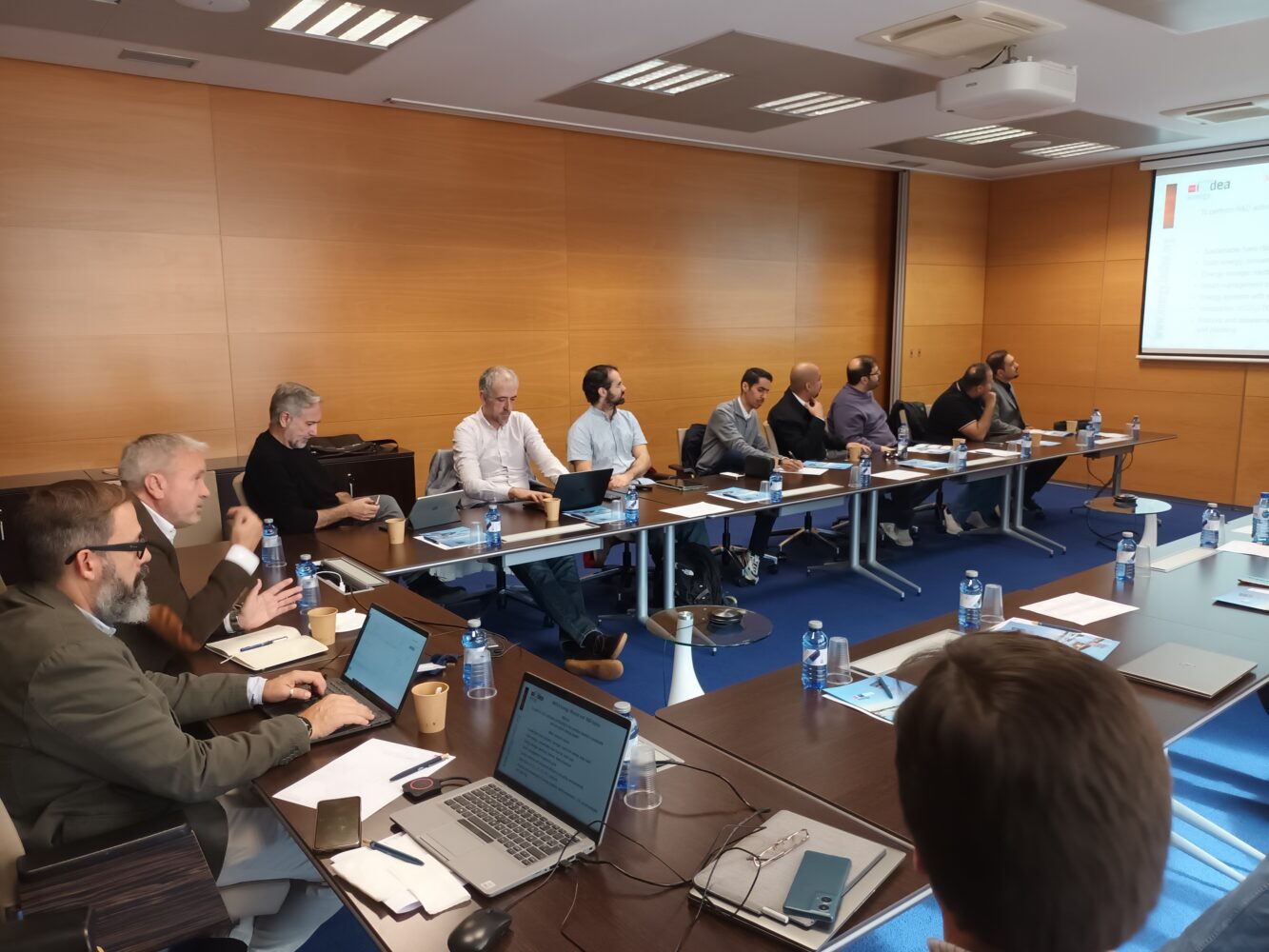
Specific opportunities for scientific and technical cooperation were discussed with the attendees, who appreciated IMDEA Energy’s technological developments, the generation of data to feed AI models, and the fruitful collaboration between the institutes of the IMDEA network in solving industrial problems.
Visits were made to the automated, AI-assisted facility for the preparation and testing of catalysts, BRAINLAB, and the solar field of heliostats, which participates in several national and European projects for the digitization of renewable energy generation facilities and the application of AI in optimizing their operation.
IMDEA Energy researchers bring their projects to high schools during Science and Innovation Week
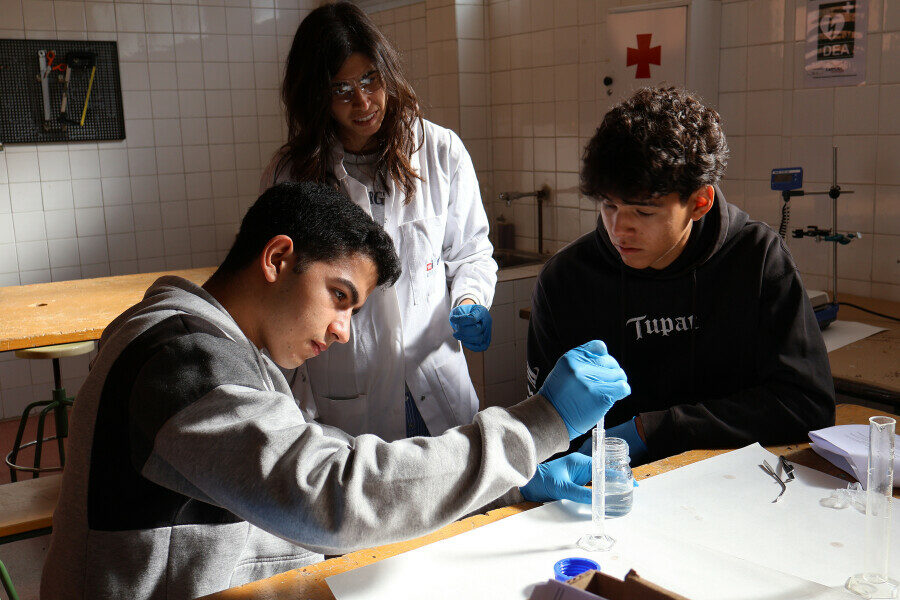
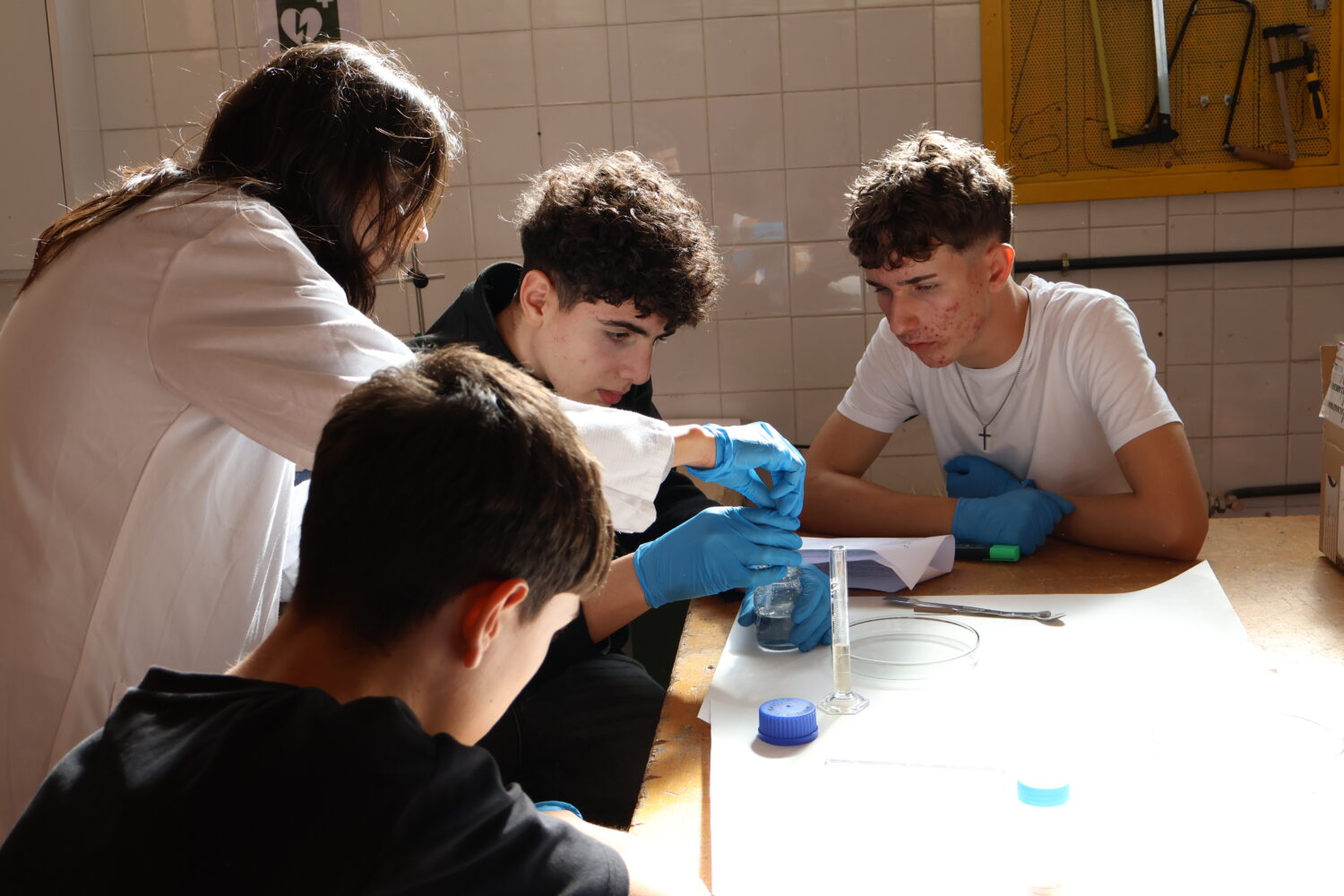
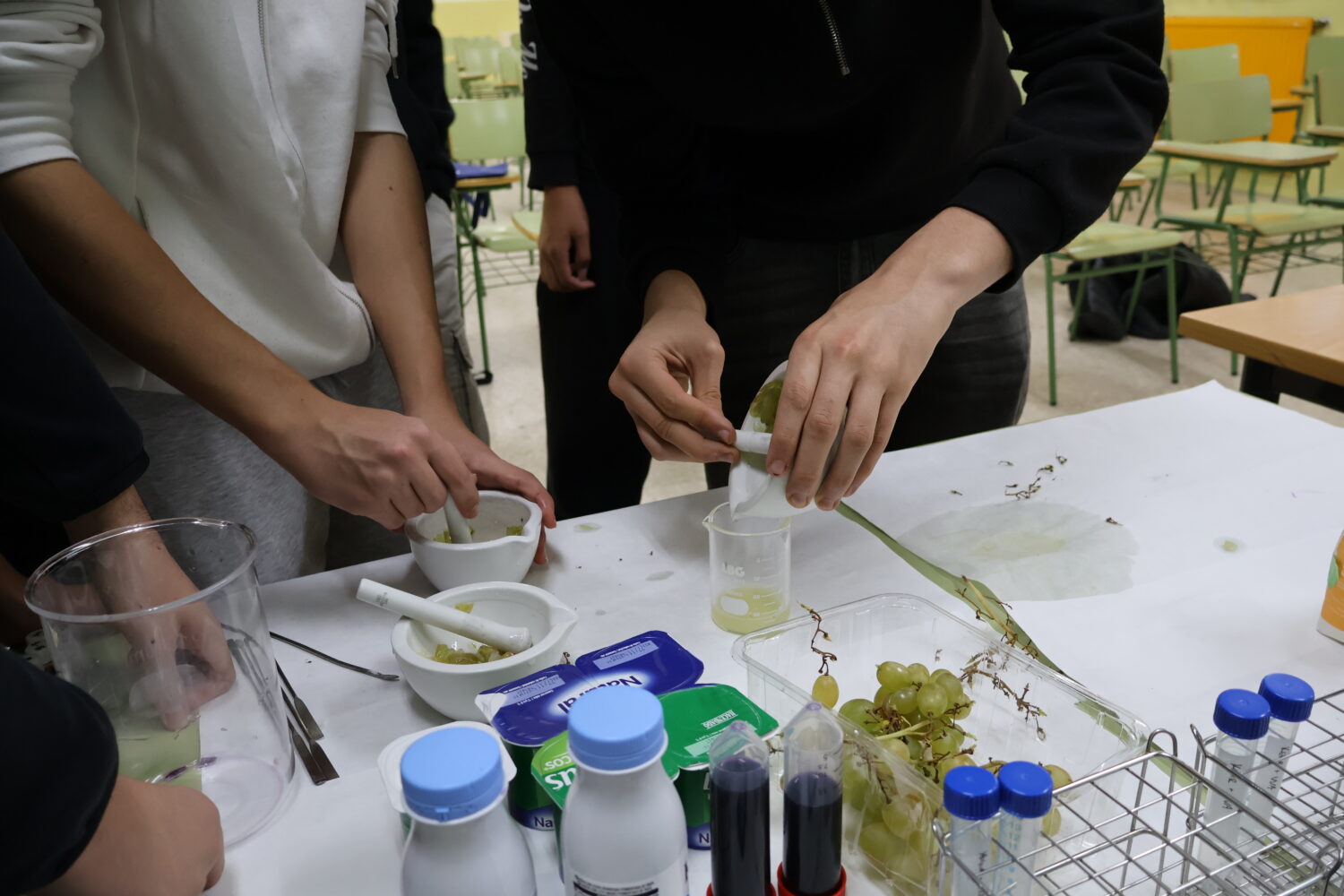
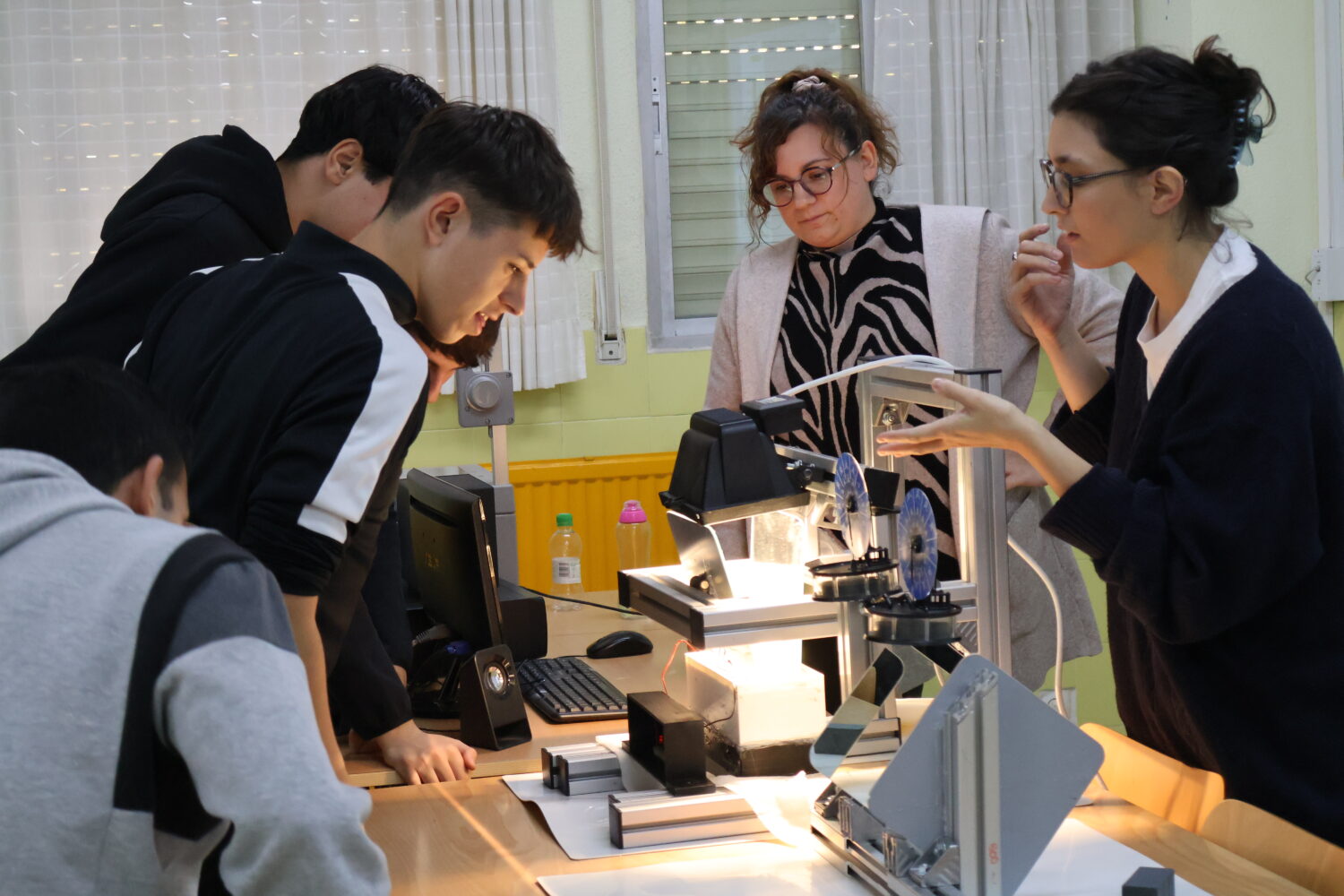
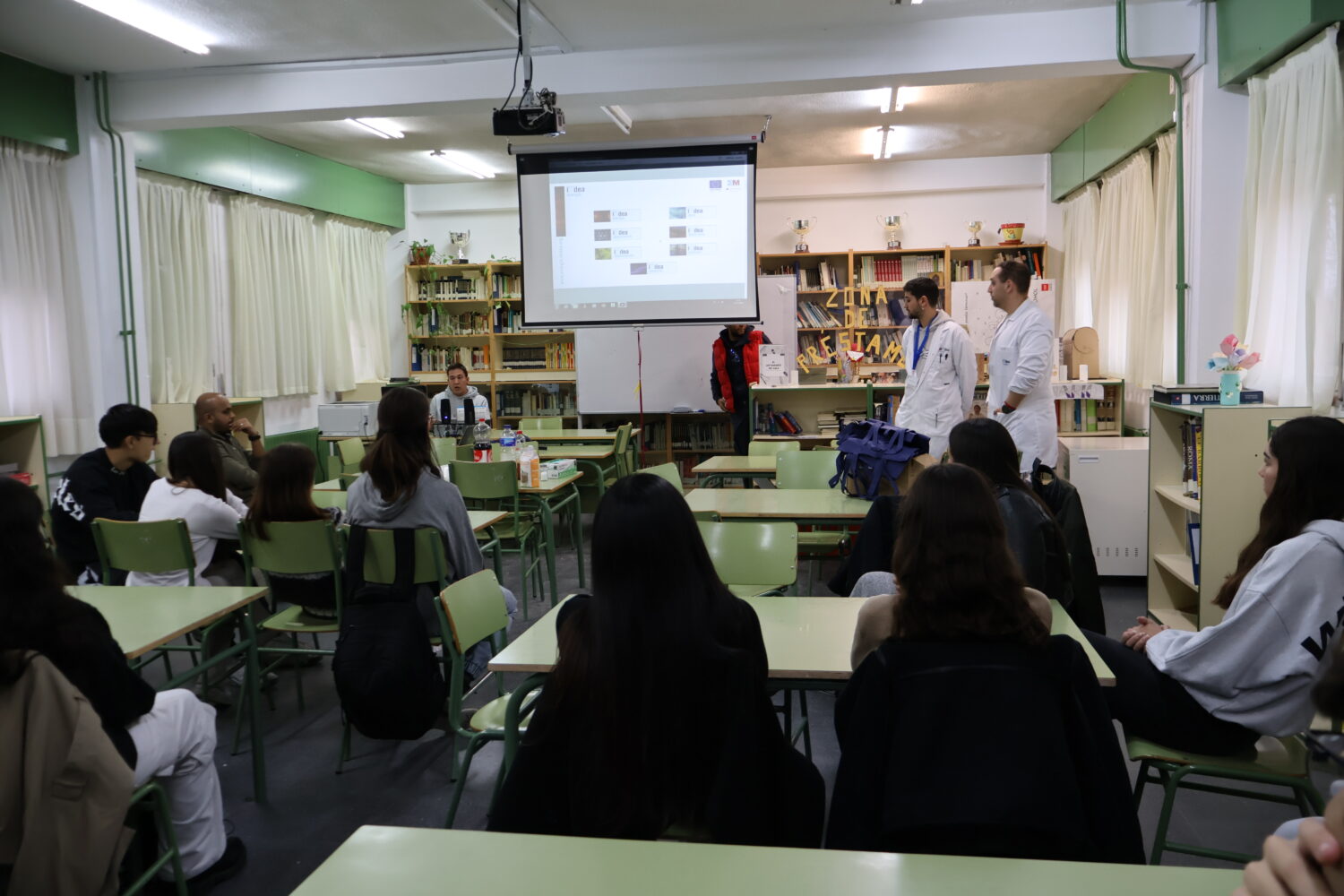
To mark Science and Innovation week 2025, on 12 and 13 November researchers from IMDEA Energy’s eight units visited IES Pinar from Alcorcón and IES Antonio Gala in Móstoles, where they carried out various workshop with 1º Bachillerato students. The aim was to show how research in clean energy is conducted today and what kind of work is carried out at a research centre.
On both mornings, the group explained their lines of work and proposed activities designed to help students see how heat can be converted into electricity using a Stirling engine and the Seebeck effect, along with a sample of the materials used in this type of facility. Next, the Biotechnological Processes Unit conducted a workshop on the production of bioproducts from organic waste. Using grapes, beertroot, yoghurt, and kefir, they showed how simple fermentation processes can obtain compounds of interest from everyday materials.
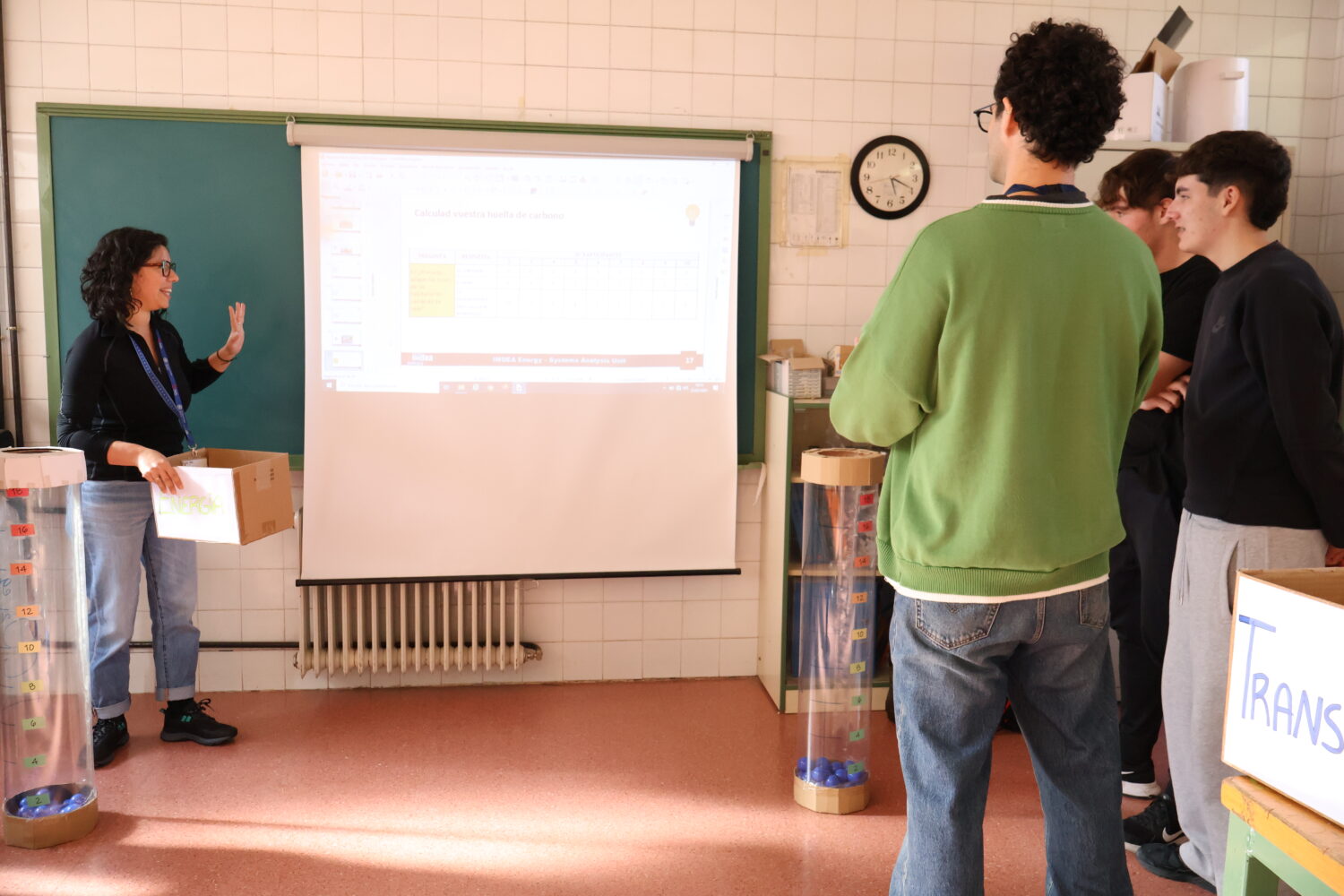
The day continued with a workshop by the Systems Analysis Unit, where students calculated their own carbon footprint based on questions related to transport, consumption habits, and energy use. Afterwards, the Thermochemical Processes team presented the fundamentals of biopolymer and biodiesel production and explained their possible uses as alternatives to conventional fuels and materials.
The second day was led by the Photoactivated Processes Unit and the Advanced Porous Materials Unit, who, in addition to explaining their work at the school, guided students through the construction of a dye-sensitized solar cell. The students built their own photovoltaic cell with porous titania and were able to relate its operation to concepts such as artificial photosynthesis.
Finally, the Electrical Systems and Electrochemical Systems Units organised an interactive workshop on conductivity. Students carried out small experiments to compare different materials such as salt and sugar and ended the activity with a Kahoot quiz.
More tan 20 researchers took part in these activities.
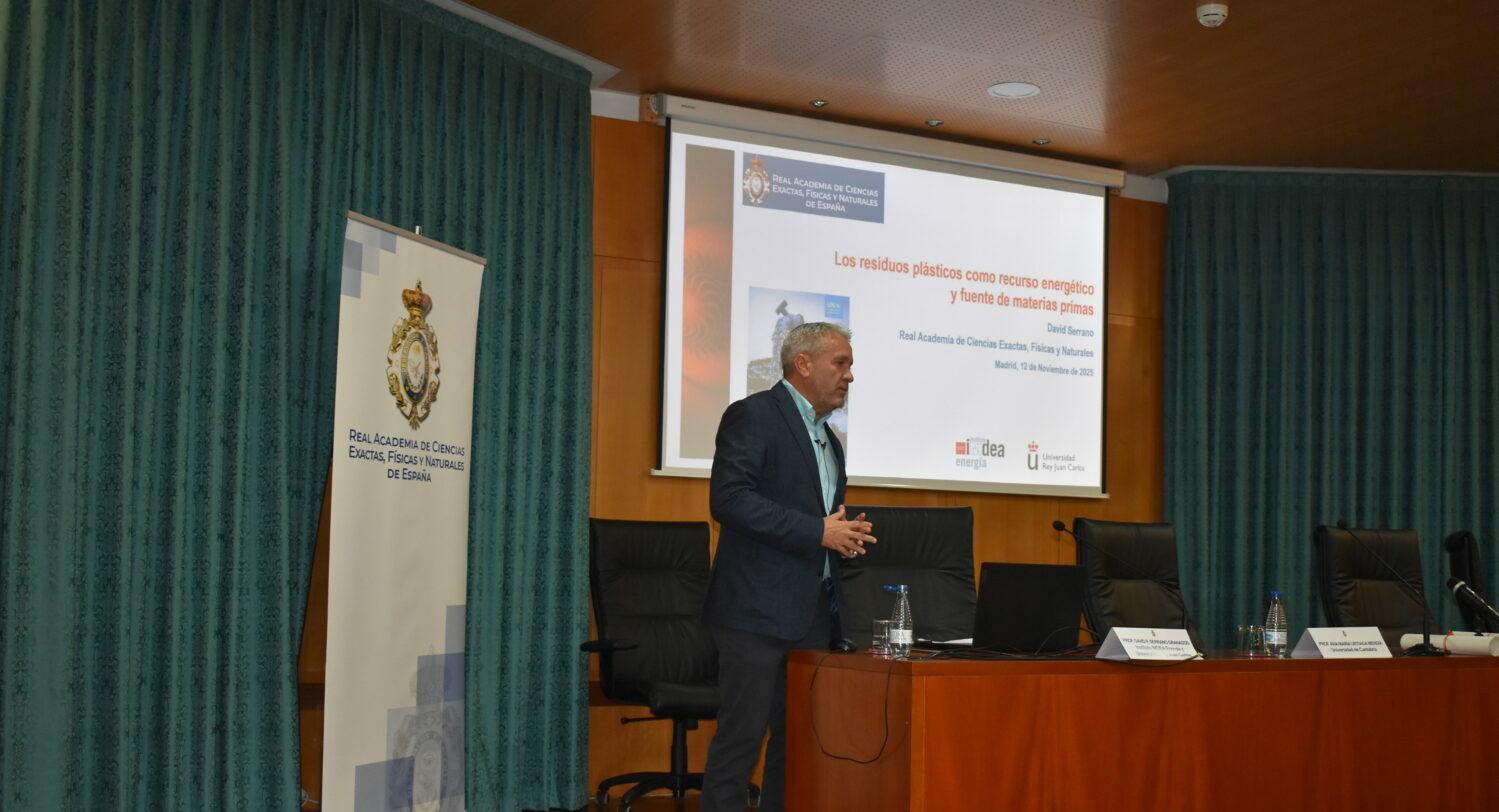
Director of IMDEA Energy, David Serrano, addresses the challenge of utilizing plastic waste in his acceptance speech as a member of the Royal Academy of Exact, Physical and Natural Sciences of Spain
The Director of the IMDEA Energy Institute and Professor of Chemical Engineering at Rey Juan Carlos University, David Serrano, participated on Wednesday, November 12, in the double scientific session for the reception of corresponding academics organized by the physics and chemistry section of the Royal Academy of Exact, Physical, and Natural Sciences of Spain (RAC).
In his inaugural lecture entitled “Plastic waste as an energy resource and source of raw materials,” Prof. Serrano addressed one of today’s major environmental and technological challenges: the sustainable management and recovery of plastic waste.
During his presentation, he highlighted the essential role of plastics in modern life and the difficulty of recycling them due to the complexity of their composition and the presence of multiple additives. In this context, he emphasized the growing interest in chemical recycling processes, which allow the recovery of the material and energy contained in waste, thus contributing to reducing its environmental impact and moving towards a more circular and sustainable economy.
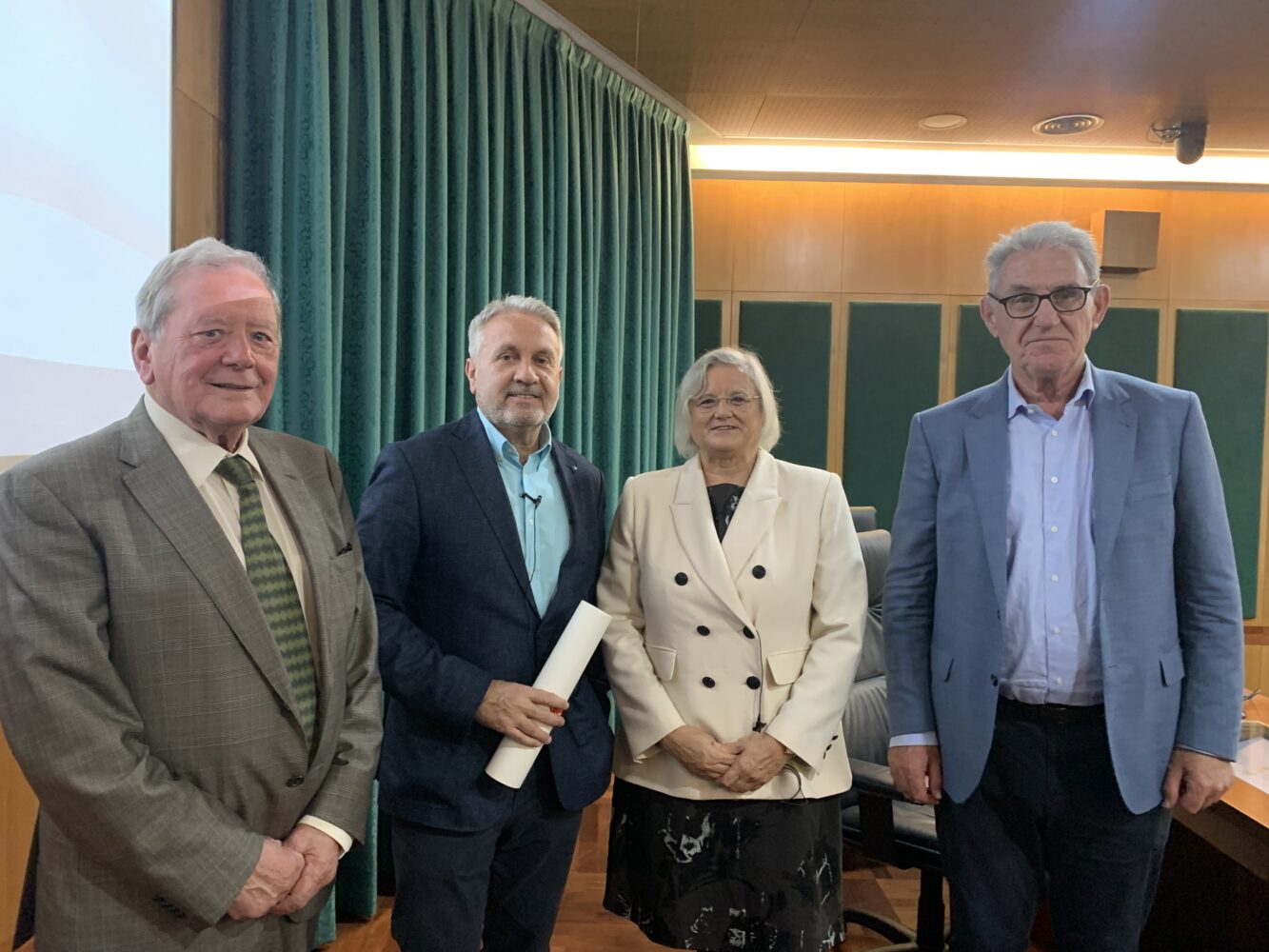
The session also featured a presentation by Prof. Ana María Urtiada Mendia, from the University of Cantabria, who gave a talk entitled “Membrane technology for efficient use of resources.”
At the end of the event, both speakers received a diploma certifying their appointment as Corresponding Members of the Royal Academy of Sciences.
Dr. Serrano, a corresponding member of the Physical and Chemical Sciences Section and head of the energy transition and circular economy area, expressed his gratitude for the appointment, highlighting the “recognition and prestige” of the RAC as an institution.
HVDC4ISLANDS promotes the integration of renewable energy and the decarbonisation of European power grids
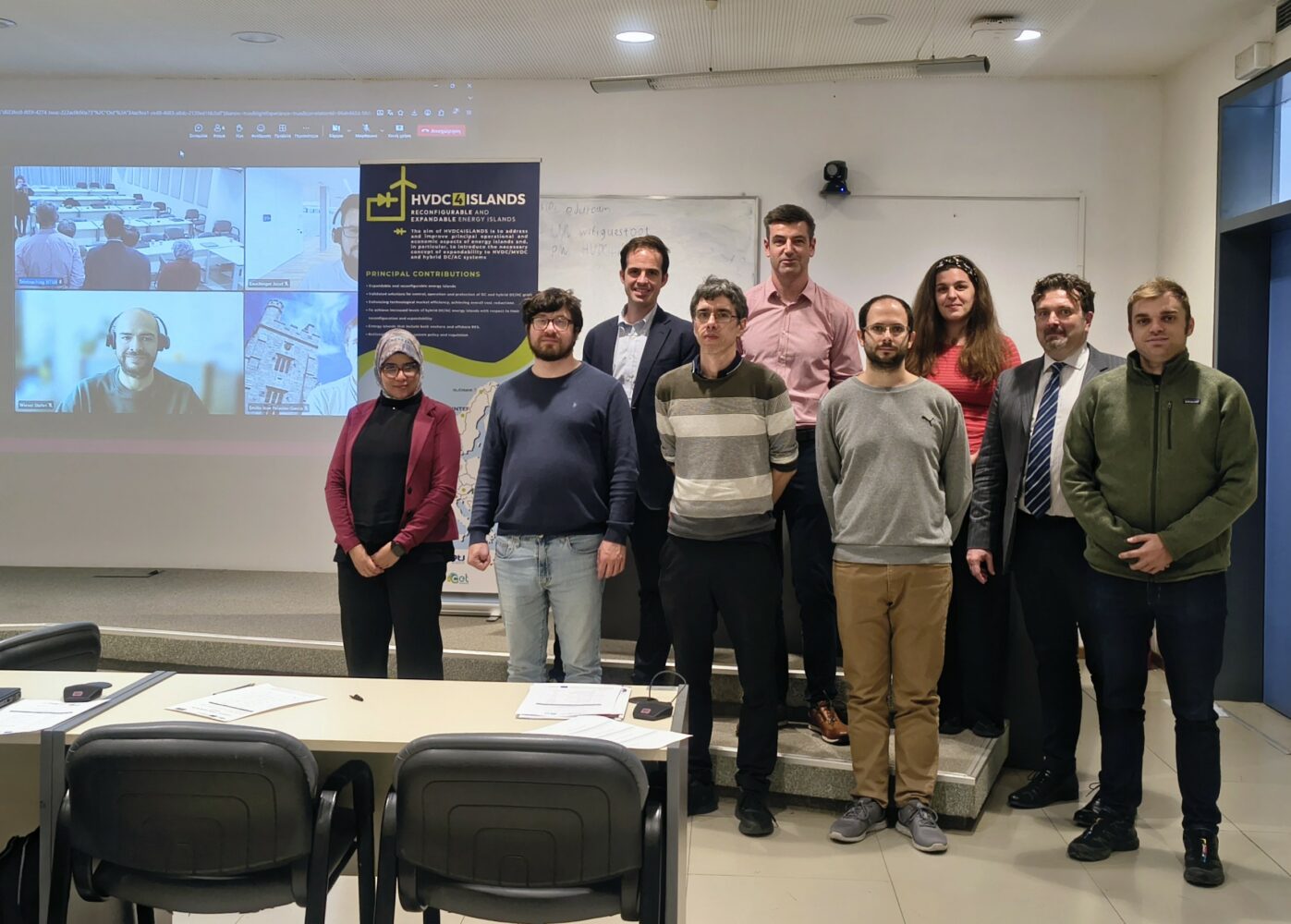
The Second General Assembly (GA) of the HVDC4ISLANDS project took place on November 6, 2025, at the National Technical University of Athens (NTUA). The Assembly provided an opportunity to critically review the project’s progress during its first year, with key milestones, deliverables, and technical results presented and discussed.
The Project Coordinator opened the meeting by outlining the project’s objectives and highlighting the main achievements from the first 12 months. This was followed by detailed presentations from all work package leaders, addressing ongoing challenges and open issues. The session concluded with a discussion of the next steps planned for the second year, including the scheduling and location of the next in-person meeting.
Among the key accomplishments presented were the completion of major project management deliverables such as the Detailed Project Management Plan and the Data Management Plan, as well as important technical deliverables including the common energy island topology and the test methodology.
A significant highlight of the event was the first meeting of the Industrial Advisory Board (IAB), held in parallel with the Assembly. During this session, representatives from all consortium partners and external experts were introduced to the project’s progress. The IAB members are expected to provide valuable feedback and recommendations regarding the project’s direction and methodologies.
On the second day, several focused meetings were organized at both the project and work package levels to coordinate partner contributions to the project Use Cases. The Assembly concluded with a visit to the Electric Energy Systems Laboratory of ICCS-NTUA, where participants were given a detailed overview of the project’s testing setup and methodologies.
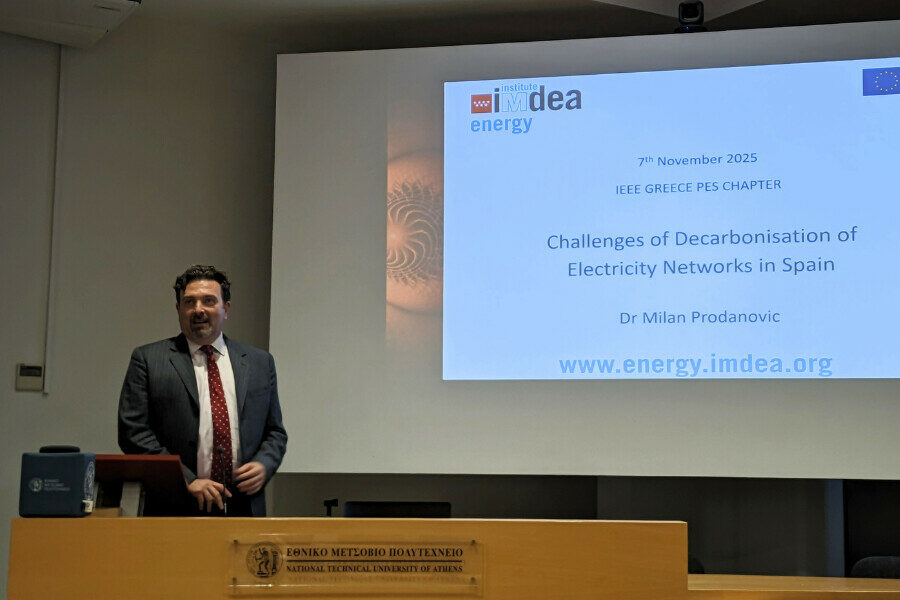
As part of the meeting, Dr. Milan Prodanovic, from the IMDEA Energy Institute, gave a lecture on “The challenges of decarbonizing electricity grids in Spain,” held at the Central Library of the NTUA in Athens. Significant political and economic efforts are being undertaken across the European Union to mitigate the effects of climate change. In alignment with EU directives, many member states have developed national strategies and long-term studies. Among the most ambitious is Spain’s National Energy and Climate Plan (NECP), which sets out a comprehensive roadmap for substantial reductions in CO₂ and other emissions from the energy sector.
The talk explored the key challenges and opportunities associated with the decarbonisation of electricity networks, examining both technical and market-based solutions. It began with an overview of the electricity network topology in the Iberian Peninsula and its interconnections, followed by an analysis of renewable energy resource mapping trends. The presentation concluded with insights into the current regulatory framework and anticipated market reforms in the energy and services sectors.
A central part of the discussion focused on the large-scale integration of renewable energy sources (RES) and the challenges it presents:
- How can RES variability be managed to meet demand?
- Where should the grid be reinforced?
- How can the loss of synchronous generation be compensated?
- How can service quality be maintained?
- What market mechanisms and regulatory frameworks are needed?
- How should excess generation capacity be managed?
The presentation introduced techno-economic-environmental tools to support the transformation of electricity networks in the context of decarbonisation. It also assessed the impact on network stability, critically evaluated potential technical solutions, and compared various power converter control topologies in terms of their ability to provide grid services and comply with evolving Grid Codes.

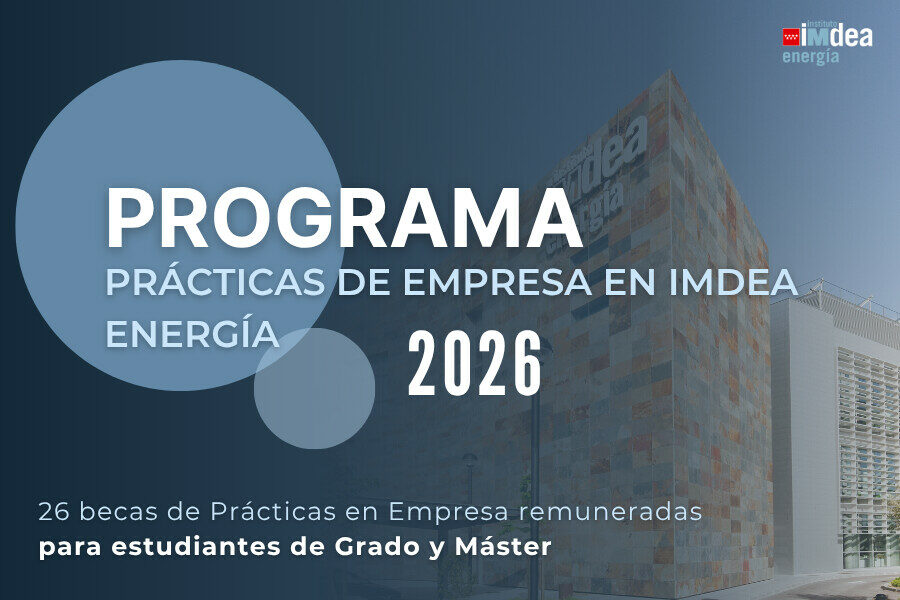
IMDEA Energy launches 26 internship grants for Bachelor’s and Master’s students 2026
IMDEA Energy offers Bachelor’s and Master’s students the opportunity to carry out paid internships in topics related to renewable energies and low-carbon energy technologies.
Students will join IMDEA Energy’s research units in a dynamic working environment, allowing them to begin their training in the R&D field of the energy sector.
Application and Selection Process
Applications must be sent exclusively to the email address indicated in the corresponding research line.
Each candidate may submit only one application to the program.
The application must include the following documents:
-
Curriculum Vitae
-
Proof of enrollment in an official Bachelor’s or Master’s program
-
Academic transcript
-
Motivation letter
The selection will be based on the following criteria:
-
Academic record
-
Motivation
-
English proficiency
-
Other merits
Application deadline: November 24, 2025
Eligibility Requirements
-
Be enrolled in an official Bachelor’s or Master’s degree program
-
Hold a residence permit in Spain for the duration of the internship
Grant Conditions
The internships will have a maximum duration of 350 hours.
Financial support:
-
Bachelor’s internships: up to €2,200 (depending on the number of hours completed)
-
Master’s internships: up to €2,500 (depending on the number of hours completed)
ÚLTIMAS ENTRADAS
- IMDEA Energy develops nanoporous coatings to improve stainless steel electrodes for hydrogen production from urea-containing wastewater
- IMDEA Energy drives industrial-scale production of renewable chemicals from biomass and vegetable oils
- IMDEA Energy and Complutense University of Madrid researchers explore how to harvest drinking water from the air using sunlight
- PhD Thesis Defense: “MOF-based nanocomposites for combined imaging and therapy”
- IMDEA Energy awarded with the Severo Ochoa Centre of Excellence Accreditation